

Last Updated: September 19, 2026
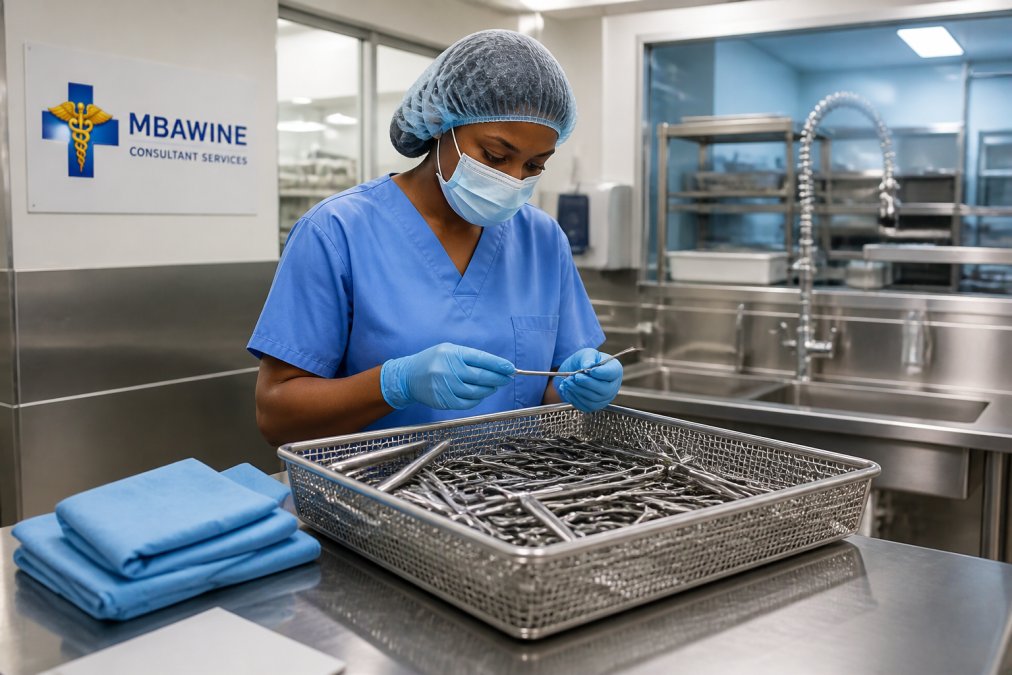
A CIS certification proves you can inspect, assemble, and sterilize complex surgical instruments without supervision. It is the difference between knowing the steps and being trusted to perform them on live cases. This is the core promise of the credential.
The Certified Instrument Specialist exam tests technical proficiency that only comes from time on the floor.
The sterile processing salary increase with certification is real, but the size of the bump depends heavily on the role you are targeting, the setting you work in, and how the facility structures its pay bands. Generic "certification pays more" claims are useless for planning. Here is how the ROI actually breaks down by role.
Sterile Processing Technician (hospital central sterile): This is the most common starting point. Facilities typically place CRCST holders on a higher step than uncertified techs, and CIS holders on a step above that. The differential is usually a fixed hourly add-on rather than a percentage, so it compounds with every hour worked, including overtime and shift differentials. Over a full year of full-time hours, even a modest per-hour differential adds up to a meaningful annual figure before you factor in nights, weekends, and call.
Three mechanisms explain most of the pay gap:
The CRCST vs CIS certification question comes up constantly, and the answer depends on where you want to end up. The CRCST is the generalist foundation. The CIS is the specialist credential that builds on it.
Here is the simple breakdown:
Industry recognition for the CIS credential is strong because the exam is tied to real job tasks. Hiring managers know what it means when they see it on a resume. But the more interesting story in 2026 is not that demand exists. It is that the nature of the work is shifting, and the CIS is one of the few credentials positioned to survive that shift.
Three things keep coming up in job postings and interviews:
This is the part most certification guides skip. Automation and AI are reshaping a lot of healthcare operations, and sterile processing is not immune. Instrument tracking software, automated washer-disinfectors, and AI-assisted inspection tools are already in use in many departments. The question every tech should be asking is not whether automation is coming, but which parts of the job it can actually replace.
What automation can do well:
What automation struggles with:
A credential that only proves you can follow a checklist is vulnerable to a system that follows the checklist better. A credential that proves you can make judgment calls on complex, non-standard instruments is not. The CIS signals the second kind of competency.
The CIS is issued by a recognized certifying body and maps to a national standard for instrument specialist competency. That matters when you move between facilities, because it gives a hiring manager a common reference point instead of asking them to take your previous employer's word for it. In a field where departments run very differently from one another, a portable, standardized credential is worth more than a good interview.
official CIS exam content outline and competency domains
Good CIS exam preparation tips all share one thing: they build skill, not just test-taking tricks. The exam rewards people who actually understand instruments.
A practical plan looks like this:
A strong career trajectory in sterile processing rarely stops at the technician level. The CIS opens doors to team lead, educator, and manager roles.
The recertification cycle exists to keep your knowledge from going stale. Instruments change. Sterilization standards update. A credential that never expires would mean nothing.
Getting your CIS certification starts with meeting the prerequisite requirements, then passing the exam. Most candidates already hold a CRCST and have hands-on experience.
You typically need a current CRCST credential and documented work experience before you sit for the CIS exam. Check the official requirements before you apply, since they can change.
Full-time techs on 12-hour shifts need a prep path that bends around their life. That is where flexible options matter.
| Step | What It Involves | Typical Timing |
|---|---|---|
| Meet requirements | Current CRCST plus work experience | Before you apply |
| Get exam voucher | Purchase through the certifying body | 1-2 weeks ahead |
| Prepare | Self-paced study, practice questions | A few months |
| Schedule exam | Book a testing center or proctor | When ready |
| Recertify | Continuing education hours | Every renewal cycle |
You typically need an active CRCST certification and a set number of hands-on hours in sterile processing before you can sit for the CIS exam. Most candidates accumulate these hours while working in a hospital or ambulatory surgery center. Because requirements can change, check the current certification body guidelines before you apply. If you are still building hours, a structured prep program can help you plan the timeline so you are ready to test as soon as you qualify.
For technicians who want to specialize in instrument inspection, assembly, and quality control, the CIS credential signals a level of technical proficiency that general certifications do not. It supports career growth into lead technician or educator roles and often comes with a salary increase. If you plan to stay on the floor long term and want recognition for advanced skill mastery, the investment tends to pay off. If you are aiming for management, pair it with a leadership credential.
The CRCST covers the full sterile processing workflow, from decontamination through sterilization and storage. The CIS focuses specifically on instrument specialist skills: inspecting, testing, assembling, and troubleshooting complex surgical sets. Think of CRCST as the foundation and CIS as the advanced specialization. Many technicians earn CRCST first, gain hands-on experience, then pursue CIS to deepen their technical proficiency and stand out for specialist roles.
The CIS exam typically contains around 100 to 150 multiple-choice questions, and you usually have two to three hours to complete it. The exact count and time limit are set by the certifying body, so confirm the current format before test day. Practice exams help you get comfortable with the pace. Time yourself during study sessions so you are not surprised by the clock on exam day.
The challenge is not passing the exam. It is building a study routine that survives a full work schedule. Mbawine Consultants helps with that through fast-track test preparation, audio and video modules you can access from home, and instructors who hold current certifications. Financing options with no payment for the first 30 days make it easier to start now. Enroll with Mbawine Consultants and take the next step toward your CIS credential.


