

Last Updated: August 31, 2026
Turnover in sterile processing departments runs high. New staff face steep learning curves, complex regulatory requirements, and high-stakes clinical pressure. A poorly structured onboarding process compromises patient safety, increases compliance risk, and drives experienced technicians to leave.
At Mbawine Consultants, we've worked with surgical facilities and ambulatory-surgical centers across the country. The pattern is clear: departments with deliberate, structured onboarding retain staff longer, maintain higher quality standards, and pass regulatory audits more smoothly.
This guide covers seven evidence-based best practices for sterile processing onboarding, operational tools that departments use to build competency faster, reduce errors, and create a culture where new technicians want to stay.
A sterile processing orientation checklist is your foundation. Without one, onboarding becomes inconsistent, one preceptor covers decontamination thoroughly; another skips it. Inconsistency breeds mistakes.
Your checklist should document every competency a technician must master before working independently. It's an accountability tool that protects both the employee and the department.
Your sterile processing orientation checklist must cover these core domains:
Department-specific protocols. Include facility layout, specific equipment models, emergency procedures, and departmental standard operating procedures. New staff need to know where equipment is located, how your particular sterilizer functions, and what to do if something breaks mid-cycle.
Infection control and safety standards. Cover PPE requirements, bloodborne pathogen protocols, chemical safety, and ergonomic best practices. Document your facility's specific approach to decontamination, including water temperature, exposure times, and chemical concentrations.
Instrument tracking system proficiency. Whether you use barcode systems, RFID, or manual tracking, new technicians must demonstrate competency before processing instruments independently. Include login procedures, data entry requirements, and how to handle discrepancies.
Sterilization methods and quality assurance. Technicians need to understand steam sterilization, low-temperature methods, and your facility's biological and chemical indicator protocols. Include how to read sterilization reports and what to do if a load fails.
Hands-on equipment training. Document which equipment each technician must operate: washers, ultrasonic cleaners, steam sterilizers, and packaging equipment. Include both normal operation and basic troubleshooting.
Regulatory compliance basics. Cover your facility's approach to manufacturer instructions for use (IFU), documentation requirements, and audit readiness.
Assign a preceptor or manager to sign off on each competency as the new technician demonstrates it. Document the date, preceptor name, and performance notes. This creates a paper trail that protects your department during regulatory inspections and identifies training gaps.
Review the checklist with the new technician at the beginning of onboarding so they understand what success looks like. Check in regularly to catch misunderstandings early.
Most departments rush through orientation in two to three weeks. That's unrealistic for learning a complex, regulated process. A structured SPD training program duration of 8 to 12 weeks allows new technicians to move through the reprocessing cycle systematically, practice under supervision, and build genuine competency.
Breaking your program into clear phases keeps both the new technician and preceptor on track. Without milestones, training becomes reactive.
Weeks 1-2: Orientation and foundational knowledge. Focus on facility culture, safety protocols, and regulatory context. New staff should understand your department's mission, meet the team, learn facility-specific safety procedures, and review standard operating procedures. Introduce the instrument tracking system and basic decontamination procedures.
Weeks 3-4: Decontamination and manual cleaning. New technicians should spend focused time on the decontamination area, learning proper technique, chemical safety, and quality checks. Pair them with an experienced technician who explains the reasoning behind procedures.
Weeks 5-6: Inspection, assembly, and packaging. Move to instrument inspection and assembly, where attention to detail is critical. New staff need to identify damaged instruments, assemble complex sets, and package for sterilization. Use hands-on demonstration followed by supervised practice.
Weeks 7-8: Sterilization methods and monitoring. Cover your facility's sterilization equipment, load preparation, biological and chemical indicators, and how to interpret sterilization reports. New technicians should understand steam sterilization principles and troubleshoot common issues.
Weeks 9-10: Quality assurance and regulatory requirements. Dedicate time to your facility's quality assurance program, audit processes, and how documentation ties to compliance. New staff should understand manufacturer instructions for use and their application to workflows.
Weeks 11-12: Independent practice with oversight. New technicians should process instruments with minimal supervision. The preceptor observes and provides feedback, building confidence and revealing any lingering gaps.
Equipment training happens best through actual operation under supervision. As new technicians move through the reprocessing cycle, they should get hands-on training on each piece of equipment. Have them run cycles, check results, load sterilizers, monitor cycles, and practice wrapping and sealing. Real-world practice is where competency develops.
You can't assume someone is ready to work independently just because they completed your training timeline. Competency assessment verifies that new technicians can do the work safely and correctly. Without formal assessment, you're guessing, and guesses put patients at risk.
A sterile processing competency assessment should evaluate both knowledge and hands-on skill. A technician might understand decontamination theory but struggle with technique. Assessment catches these gaps before they become problems.
Knowledge assessments. Use written or verbal assessments to verify understanding of protocols, safety procedures, and regulatory requirements. Ask scenario-based questions: "A load fails the biological indicator. What do you do?" Their answer reveals whether they understand the implications and your facility's response.
Practical demonstrations. Watch new technicians perform key tasks: decontamination of a soiled instrument set, assembly of a complex surgical tray, operation of your sterilizer. Use a competency checklist that breaks down the task into observable steps. Document whether they performed each step correctly and independently.
Instrument tracking system proficiency test. Have them demonstrate how to log instruments into your tracking system, retrieve historical data, and handle discrepancies.
Quality assurance validation. Have new technicians review sterilization reports and identify what the results mean. Can they read a biological indicator report? Do they understand what a failed chemical indicator means?
Document all assessments with the date, competency, method, result, and assessor's name. Keep these records in the employee's file. If a new technician fails an assessment, provide targeted remediation and reassess within a defined timeframe.
Creating onboarding materials from scratch is time-consuming. Templates standardize your approach and ensure every new technician receives consistent training. When a new technician arrives, the preceptor has everything they need without hunting for documents.
Your onboarding templates should include the orientation checklist, phased training timeline, competency assessment forms, and facility-specific documentation.
Pairing new technicians with experienced preceptors is one of the highest-impact decisions you make. A good preceptor accelerates learning, models the culture you want, and catches mistakes early.
Choose preceptors who are technically competent, patient, and invested in the department's success. Provide preceptors with training on how to teach, explain procedures, give feedback, and recognize when someone isn't ready to move forward.
Pair new technicians with preceptors for the full 8 to 12 weeks, not just the first week. The relationship builds over time, and the preceptor learns what this particular person needs to succeed.
Digital systems are better than paper checklists. A digital onboarding checklist allows preceptors to track progress in real time, flag areas where new technicians are struggling, and generate reports for management. It also creates a searchable record of who completed what training and when.
Digital systems should allow preceptors to add notes, attach competency assessments, and update status as new technicians progress. Managers can pull reports showing which competencies cause delays, which preceptors are most effective, and which new technicians are on track.
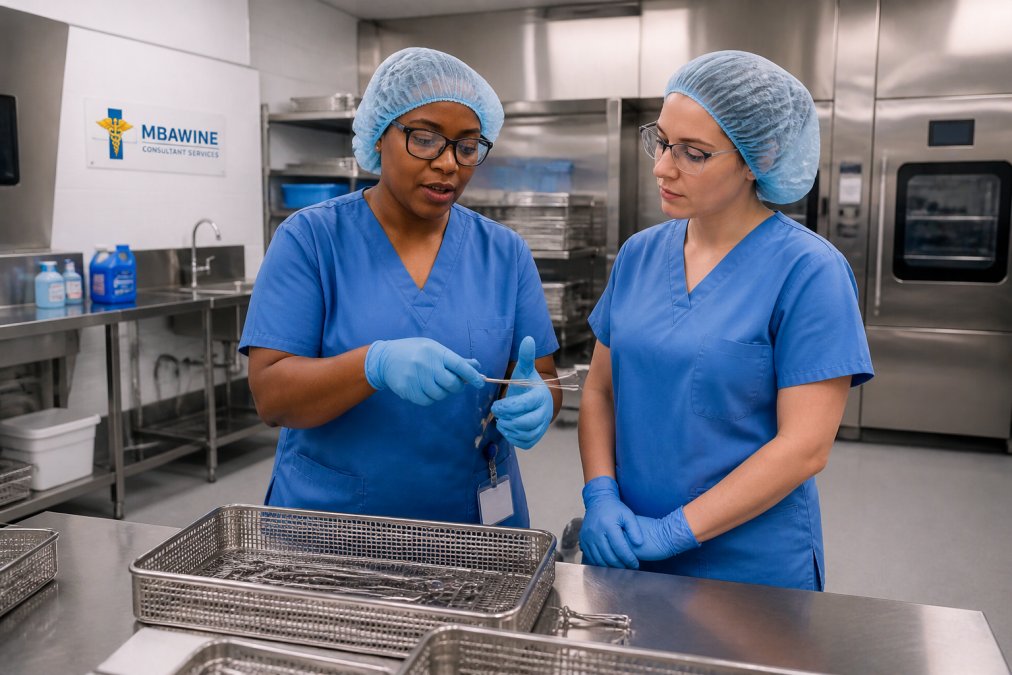
Technical competency matters, but so does culture. A new technician who feels isolated, undervalued, or overwhelmed will leave, regardless of training quality. Cultural integration starts on day one.
Introduce new staff to the team before their first shift. Have them meet their preceptor, the department manager, and key colleagues. Walk them through the department and explain how different areas connect.
Create informal opportunities for new technicians to connect with the team. Invite them to lunch, include them in department meetings, and ask for their input on processes. New staff often spot inefficiencies that experienced technicians have stopped noticing. Valuing their perspective builds belonging.
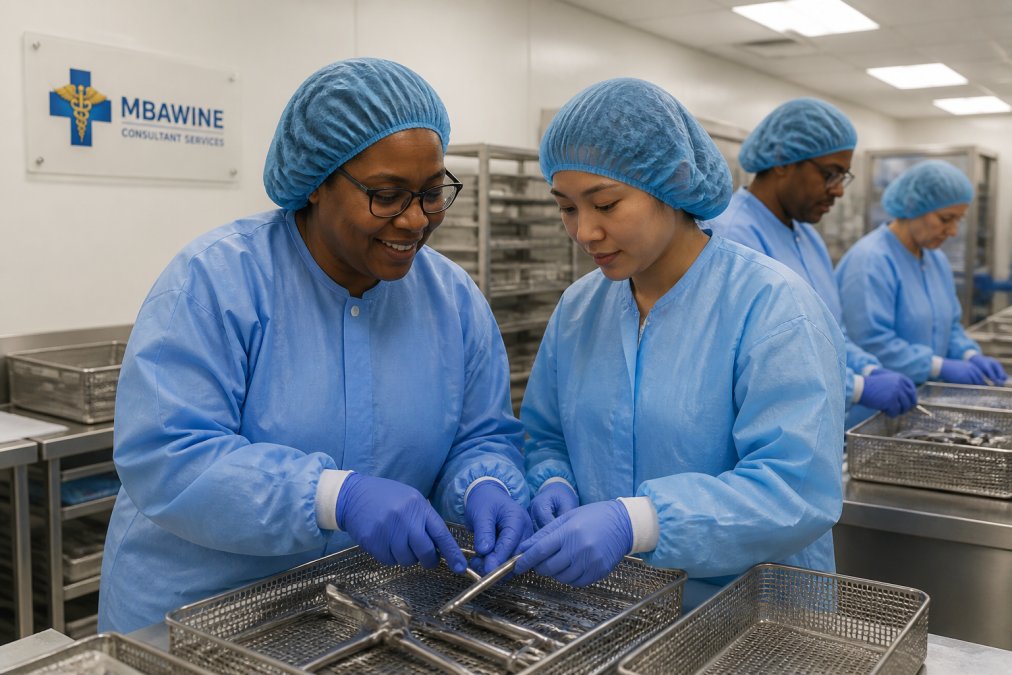
Acknowledge milestones. When a new technician completes their first full cycle independently or passes a competency assessment, recognize it. Small celebrations, a note from the manager, or a mention in the team meeting reinforce that they're part of the department.
Sterile processing is physically and mentally demanding. Standing for 8-12 hours, exposure to chemicals, pressure to support surgical schedules, and responsibility for patient safety create stress. Without support, even talented technicians burn out.
Start onboarding conversations about workload, stress management, and when to ask for help. Normalize discussing mental health. Let new staff know that struggling is normal, asking questions doesn't mean they're failing, and the department supports their wellbeing.
Watch for early signs of burnout: sudden quietness, increased mistakes, frequent absences, or overwhelm with routine tasks. These signal the need to check in, offer support, or adjust schedules temporarily.
Encourage new technicians to use breaks, step outside if needed, and speak up about concerns. Create a culture where speaking up is safe and valued. A technician who feels psychologically safe will raise concerns about quality, safety, or workload before problems escalate.
Regulatory agencies inspect sterile processing departments. They review documentation, observe workflows, and interview staff. A well-trained team that understands compliance requirements passes audits more smoothly.
Build regulatory awareness into onboarding from the start. New technicians should understand why your protocols exist, not just what they are. They should know that manufacturer instructions for use (IFU) guide how instruments are processed, that sterilization validation is required, and that documentation creates evidence of compliance.
Walk new staff through your most recent audit report. Explain what was reviewed, what areas were flagged, and how the department responded. This context helps new technicians understand that compliance protects patients.
Conduct mock audits periodically. Have an external reviewer or manager from another department observe your team and provide feedback. New technicians learn what an audit looks like and what inspectors expect.
Document your onboarding process thoroughly. Keep records of what each technician completed, when they completed it, and who verified competency. These records are your evidence of a structured approach to training and competency assessment. Regulators look for exactly this documentation.
| Best Practice | Key Element | Impact |
|---|---|---|
| Structured orientation checklist | Documents every competency required | Ensures consistency across all new hires |
| Phased training timeline (8-12 weeks) | Breaks learning into manageable phases | Builds genuine competency, not just task completion |
| Hands-on equipment training | Real practice during the reprocessing cycle | Develops muscle memory and confidence |
| Competency assessment standards | Knowledge and practical skill verification | Prevents unqualified technicians from working independently |
| Digital tracking and templates | Standardized onboarding materials and progress tracking | Reduces manager burden, creates audit evidence |
| Cultural integration and mentorship | Preceptor pairing, team inclusion, milestone recognition | Improves retention and department cohesion |
| Mental health and burnout support | Early identification of stress, normalized conversations about wellbeing | Reduces turnover, improves job satisfaction |
| Regulatory audit preparedness | Compliance awareness built into training, documented evidence | Passes audits, demonstrates commitment to patient safety |
A structured sterile processing onboarding program takes time to build, but the payoff is significant. You'll see faster competency development, fewer errors, better retention, and a stronger culture. Mbawine Consultants has supported departments in designing and implementing onboarding programs that work, combining technical training with the operational and cultural elements that keep people engaged.
Start with your orientation checklist. Define your phased timeline. Assign experienced preceptors. Document everything. Then commit to following the plan consistently. Your future team depends on it.
For departments looking to strengthen their onboarding approach or seeking interim management support during transitions, Mbawine Consultants provides comprehensive sterile processing education and staffing solutions. Our team of credentialed experts has worked with surgical facilities and ambulatory-surgical centers to build onboarding programs that improve competency, retention, and compliance readiness. Whether you need help designing your program, training preceptors, or providing interim management during staffing gaps, we offer flexible options including remote learning and temporary staffing solutions. Explore how our approach to sterile processing onboarding can strengthen your department.
A comprehensive sterile processing orientation checklist must cover decontamination procedures, instrument identification and assembly, sterilization methods (steam, chemical, and other approved techniques), quality assurance protocols, manufacturer instructions for use (IFU), infection control standards, PPE requirements, instrument tracking system proficiency, standard operating procedures (SOP), and regulatory compliance expectations. Include sections for hands-on demonstrations, competency sign-offs, and dates completed. Digital tracking ensures managers can monitor progress and identify gaps before the technician works independently.
Most structured SPD training programs require 4-8 weeks for foundational competency, though full proficiency in the reprocessing cycle typically takes 3-6 months of supervised practice. The timeline depends on the technician's prior experience, the complexity of your facility's instruments, and the depth of your training curriculum. Phased milestones, decontamination mastery by week 2, assembly by week 4, and independent operation by week 8, help track progress. Facilities should budget for continued education and competency reassessment beyond initial onboarding.
Effective sterile processing competency assessment combines hands-on observation, written evaluations, and practical demonstrations. Use competency checklists aligned with industry standards, require the technician to perform each reprocessing step under supervision, and document results. Assess knowledge of sterilization methods, aseptic technique, quality assurance procedures, and regulatory compliance. Schedule reassessment at 30, 60, and 90 days, and annually thereafter.
Structured onboarding reduces errors by establishing clear expectations, standardizing decontamination procedures, and ensuring technicians understand the full reprocessing cycle before working independently. When new staff feel supported through preceptorship and mentorship programs, they gain confidence faster and are less likely to leave. Documented training and competency assessment create accountability and reduce the risk of missed steps or cross-contamination. Facilities that invest in comprehensive onboarding often report improved retention, directly lowering replacement costs and operational disruption.
This article was written using GrandRanker


