

Last Updated: August 26, 2026
A comprehensive sterile processing staff training program is the foundation that separates high-performing departments from those struggling with compliance, patient safety risks, and staff turnover. This isn't just about checking boxes on a regulatory checklist, it's about building a team that understands why every step matters and can execute it consistently under pressure.
The stakes are real. Improper sterilization leads directly to surgical site infections, equipment damage, and regulatory violations (the CDC). Yet many facilities treat training as an afterthought, cycling through new hires with minimal structure and expecting them to figure things out on the job. That approach costs money in rework, turnover, and liability. At Mbawine Consultants, we provide specialized education for sterile processing departments. The difference structured training makes can lead to fewer compliance issues, lower technician turnover, and faster onboarding cycles.
The gap between mediocre training and excellent training often comes down to three things: clarity about what competency actually looks like, hands-on practice with real equipment and instruments, and mentorship from people who've done this work themselves. A comprehensive sterile processing staff training program addresses all three.
The foundation of any sterile processing staff training program starts with modules that cover the full scope of what technicians actually do. This isn't theoretical, it's the working knowledge that technicians use every single day on the floor.
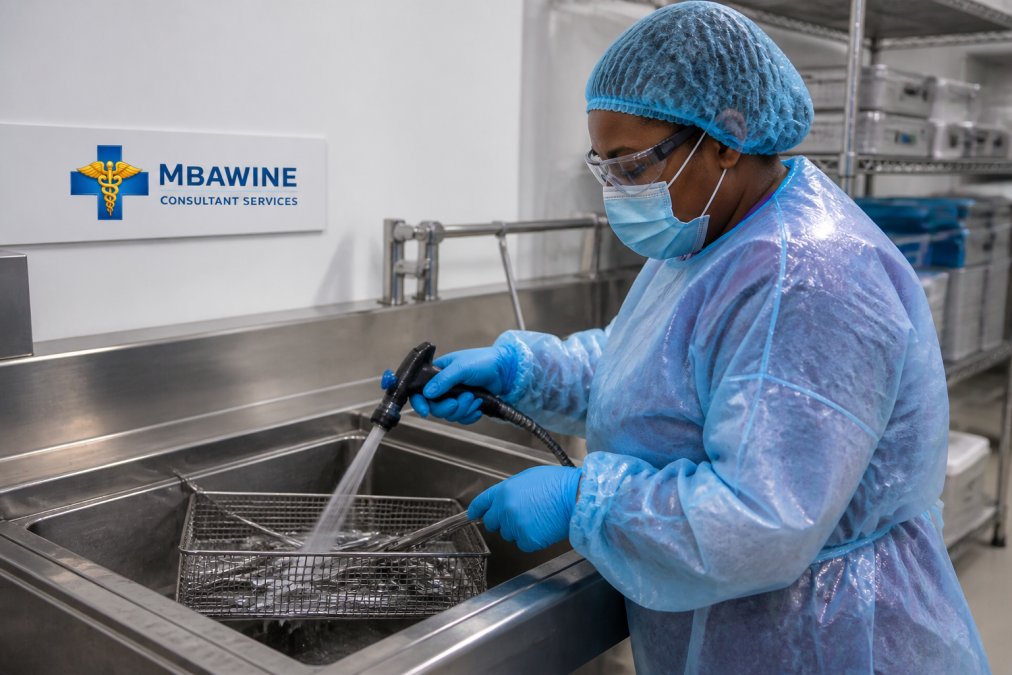
A solid curriculum typically includes five core areas. First, foundational knowledge: the anatomy of surgical instruments, basic medical terminology, and how different materials respond to sterilization methods. Second, decontamination procedures: manual cleaning, ultrasonic cleaning, and the importance of removing all bioburden before instruments move to sterilization. Third, sterilization methods and equipment operation: steam sterilization (autoclaves), chemical sterilization, and ethylene oxide sterilization, including how to read biological and chemical indicators. Fourth, packaging and wrapping: proper techniques that maintain sterility during storage and transport. Fifth, regulatory compliance: understanding federal regulations, accreditation standards, and documentation requirements.
The best programs don't teach these as isolated topics. Instead, they connect them: here's why we clean this way, here's what happens if we don't, here's how the sterilization method we choose depends on the material, here's how we verify it worked. That narrative structure helps technicians understand the logic, not just memorize procedures.
Infection control isn't a separate module, it's woven through everything. Technicians need to understand how microorganisms spread, why specific PPE protocols exist, and what happens when aseptic technique breaks down. This includes proper hand hygiene, appropriate use of personal protective equipment, and the principle that once an item is considered sterile, any breach means it's no longer sterile.
Many programs rush through this section. That's a mistake. Technicians who truly understand infection control make better decisions on the job. They catch potential contamination before it becomes a problem. They know why a protocol exists, not just that it does.
Decontamination is the most labor-intensive part of sterile processing, and it's where most quality problems start. If bioburden isn't completely removed, sterilization can't do its job. A comprehensive program teaches the chemistry of cleaning, the mechanics of different cleaning equipment, and how to validate that instruments are actually clean, not just visually clean.
Sterilization methods vary by facility and instrument type. Steam sterilization is most common, but technicians also need to understand when chemical sterilization or low-temperature methods are appropriate. The program should include hands-on operation of sterilization equipment, interpretation of biological indicators and chemical indicators, and documentation requirements.
Instrument tracking, knowing where every instrument came from, what happened to it, and where it's going, is becoming increasingly critical for recalls and quality investigations. Modern tracking uses barcode systems, but technicians need to understand the logic: why tracking matters, what information is essential, and how to use the system accurately.
Technicians who can identify instruments by name and function work more efficiently and make fewer errors. A comprehensive program includes systematic coverage of surgical instrument categories: cutting instruments (scalpels, scissors), grasping instruments (forceps, clamps), retracting instruments, and specialty instruments specific to different surgical specialties.
The program should also cover basic anatomical terminology so technicians understand what a procedure is, what instruments are used for it, and why certain instruments need specific handling. An instrument used in a spinal fusion procedure has different sterilization requirements than one used in a routine laparoscopy, and technicians need to understand why.
The Certified Registered Central Service Technician (CRCST) credential is the industry standard for sterile processing technicians. Earning it signals that a technician has met specific knowledge and competency requirements. Many facilities require or strongly prefer CRCST certification, and technicians with the credential typically earn more and have better career mobility.
CRCST certification requirements typically include documented work experience in sterile processing (usually 400 hours minimum), completion of an accredited training program, and passing a comprehensive exam (iahcsmm.org). The exam covers all the core areas: instrument identification, sterilization methods, infection control, regulatory requirements, and quality assurance. Preparation usually takes 4-12 weeks of focused study, depending on prior experience and study intensity.
A comprehensive training program should integrate CRCST exam preparation throughout, not tack it on at the end. This means the curriculum aligns with exam content domains, practice questions are used regularly, and technicians understand not just what to do but why, the kind of understanding that transfers to the exam and to real-world practice.
How long does sterile processing staff training actually take? That depends on the starting point and the depth of the program. For someone entering the field with no prior experience, a structured program typically takes 8-16 weeks to reach basic competency (peer-reviewed research). That includes classroom instruction, hands-on lab practice, and clinical rotation time.
The progression usually looks like this: orientation and foundational knowledge (weeks 1-2), core module instruction (weeks 3-8), hands-on practice and skill validation (weeks 5-10), clinical rotation with direct supervision (weeks 8-14), and competency assessment and independent practice (weeks 12-16). Some programs compress this; others extend it depending on facility needs.
For technicians with prior experience, perhaps they've worked in another sterile processing facility or have medical background, the timeline can be shorter. They still need to learn facility-specific protocols, but they may skip foundational sections and move directly to hands-on practice.
The key is that training doesn't end when the technician starts working independently. Ongoing education, competency validation, and skill refreshment are essential for maintaining quality and meeting regulatory requirements. A comprehensive program builds this into the culture from day one. specialized medical training.
The first month on the job makes or breaks a new technician. Poor onboarding leads to mistakes, frustration, and early turnover. Strong onboarding builds confidence, establishes good habits, and integrates the technician into the team.
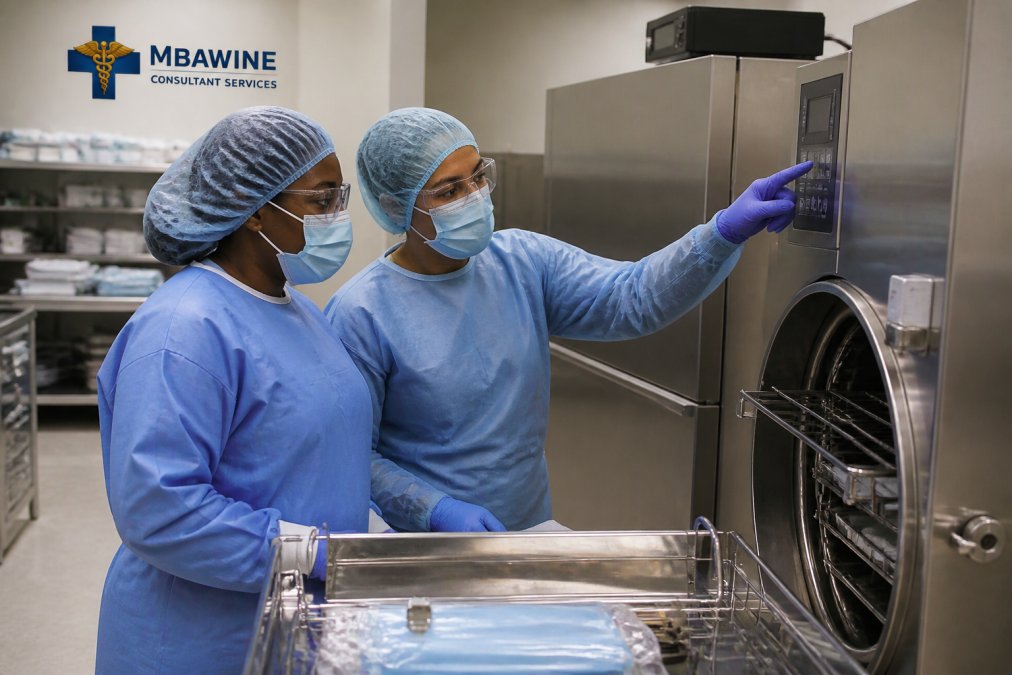
Best practices for SPD onboarding start with structured mentorship. Assign each new technician to an experienced mentor, ideally someone with CRCST certification who's been in the role for at least two years. The mentor's job isn't just to show the technician how to do things; it's to explain why, catch mistakes before they become problems, and build the technician's confidence.
A typical onboarding framework includes: week one, facility orientation and foundational safety training; weeks two through four, supervised practice in each major area (decontamination, sterilization, packaging, distribution); weeks five through eight, increasing independence with mentor oversight; weeks nine through twelve, independent practice with spot-checks and competency validation. This isn't rigid, it adjusts based on the technician's learning pace and prior experience.
Documentation matters. Keep records of what the technician has been trained on, what competencies have been validated, and what still needs work. This protects the facility, supports the technician's development, and creates a clear path to independent practice.
Competency assessment isn't a one-time event at the end of training. It's an ongoing process that validates technicians can perform critical tasks consistently and correctly. Without structured assessment, you don't actually know if someone can do the job, you just assume they can.
Common assessment methods include direct observation of critical tasks (watching a technician perform decontamination, wrapping, or sterilization verification), written exams covering knowledge domains, practical skills tests with real instruments and equipment, and competency checklists that document specific skills and knowledge. The best programs use a mix of these methods.
Assessment should focus on the tasks that matter most for patient safety and quality: proper decontamination technique, correct use of sterilization equipment, accurate reading of biological and chemical indicators, proper packaging and labeling, and understanding of regulatory requirements. Technicians should know what they're being assessed on, receive clear feedback, and have a documented plan for addressing any gaps.
Competency assessment also identifies gaps in the training program itself. If multiple technicians struggle with a particular task, that's a signal that the training in that area needs improvement. Use assessment data to refine your program.
Sterile processing operates under strict regulatory oversight. The FDA regulates sterilization equipment and processes. State regulations govern facility licensing. Accreditation bodies like The Joint Commission set standards for quality and safety. A comprehensive training program prepares technicians to work within this regulatory environment.
Quality assurance starts with understanding standards. Technicians need to know what biological indicators are, how to interpret them, and what to do if an indicator shows sterilization failed. They need to understand chemical indicators, steam penetration tests, and equipment maintenance schedules. They need to know how to document everything and what documentation means for compliance.
Continuing education requirements vary by state and facility, but most require ongoing training to maintain certification and stay current with best practices. A comprehensive program establishes this as normal from the beginning: learning doesn't stop after initial training; it's part of the job.
The best programs build a culture where quality and compliance aren't burdens, they're how the department operates. Technicians who understand why standards exist and see them enforced consistently are more likely to maintain them under pressure.
Not every technician can attend full-time, in-person training. Many are already working in healthcare or have other commitments. A comprehensive sterile processing staff training program needs to accommodate working professionals while maintaining quality.
Flexible options include hybrid learning models that combine online instruction with in-person hands-on practice, evening and weekend class schedules, self-paced modules that technicians can complete on their own timeline, and audio and video content that technicians can access from home. These aren't compromises on quality, they're practical ways to deliver quality training to people with real-world constraints.
Mbawine Consultants offers remote learning options for CRCST preparation that let technicians study from home while still accessing expert instruction and practice materials. The flexibility matters because technicians working 12-hour shifts need training that fits their schedule, not a schedule that demands they fit into training.
The key is maintaining rigor even with flexibility. Whether a technician learns through in-person instruction or remote modules, they need to demonstrate the same competencies. Assessment should be equally rigorous. Flexibility in delivery doesn't mean flexibility in standards.
Building a comprehensive sterile processing staff training program takes investment, time, resources, and expertise. But the return is clear: technicians who understand their work, feel confident doing it, and know why it matters perform better, stay longer, and help your facility maintain the highest standards of patient safety and quality. Mbawine Consultants brings highly credentialed experts and flexible learning options to help you build that program, whether you're training new staff, preparing technicians for CRCST certification, or developing leadership expertise for management roles. The difference between a department that gets by and one that excels often comes down to training.
Sterile processing technician training duration varies based on program format and your current experience level. Full-time programs typically require 6-12 months, while part-time or flexible options allow working professionals to complete training over 12-24 months. Most CRCST certification programs require 400+ hours of clinical experience. Remote and audio/video modules let you progress at your own pace while maintaining your current job, making it realistic to complete certification even on 12-hour shifts.
CRCST certification requirements include documented work experience in sterile processing (typically 400 hours minimum), completion of an accredited training program covering infection control, sterilization methods, surgical instrumentation, and medical terminology, and passing the certification exam administered by the International Association of Healthcare Central Service Materiel Management (IAHCSMM). Your comprehensive sterile processing staff training program must address all core competencies outlined in federal and state regulatory standards to ensure your team meets these requirements.
Comprehensive training programs combine classroom instruction with hands-on clinical rotations in actual sterile processing departments. Competency assessment tools measure real-world skills through direct observation, practical demonstrations, and validated checklists aligned with standard operating procedures. Mentorship frameworks pair new staff with experienced technicians who validate competency before independent work. Quality assurance protocols include ongoing competency validation, biological and chemical indicator testing, and compliance audits to confirm staff can execute decontamination, sterilization, and instrument tracking correctly in your facility.
Yes, especially for small departments. A well-structured training program reduces turnover, prevents costly compliance violations, improves patient safety outcomes, and positions your team for career advancement into leadership roles like Certified Healthcare Leader (CHL). Even departments with 8-10 staff benefit from standardized onboarding, competency assessment, and continuing education. Flexible remote learning options and interim management support make it practical for smaller facilities to implement without overwhelming existing staff, and many providers offer financing options that spread costs over time.
This article was written using GrandRanker


