

Last Updated: October 14, 2026
Hiring temporary sterile processing technicians starts with a clear role definition. A sterile processing technician is a healthcare worker who cleans, disinfects, sterilizes, and reassembles surgical instruments and medical devices so they are safe for patient use.
So before you post anything, write down three things: the shift you need covered, the certification level you require, and the length of the assignment. That single page becomes the backbone of your entire hiring process.
Spell out the daily work so candidates know what they are signing up for. A strong post lists:
Keep the language plain. A trainee should read it and know exactly what the job looks like on day one.
Sourcing for temporary roles works differently than permanent hiring. You need people who can start fast, so your search should focus on availability first and long-term fit second. Many facilities find that a mix of channels works best.
For entry-level and trainee roles, look in these places:
Candidates often ask where the openings are and how to apply early. The answer is simple: check hospital career pages directly, set alerts on job boards, and apply within the first few days a listing goes live. Temporary roles fill quickly, and early applicants get first interviews.
On your side of the desk, screen resumes for two things: hands-on experience and willingness to work the shift you need. A candidate with six months of decontamination work who can start Monday often beats a highly credentialed applicant who is booked for a month.
Interviews for temporary sterile processing roles should be short and practical. You are not hiring for a decade-long career here. You are checking whether this person can walk onto your floor and work safely by the end of the week.
Ask questions that test real knowledge, not memorized answers. Good sterile processing technician interview questions include:
Listen for specifics. Candidates who describe actual steps, tools, and safety checks have done the work. Candidates who speak in generalities usually have not.
Verification is where temporary hiring either holds up or falls apart. Check every claim before the candidate sets foot in your facility. This protects patients and shields you from compliance problems. Most job-seeker articles stop at "get certified", this section covers the employer side: how to confirm the credential, the work history, and the hands-on skill before a temporary technician touches an instrument tray.
Work through this list for each candidate, in this order:
Certification matters, but hands-on experience matters just as much. A current credential shows the candidate passed a knowledge test. A reference call shows whether they can actually assemble a tray under pressure at 2 a.m.
Ask prior supervisors one direct question: would you hire this person again for a temporary shift? The answer tells you more than any certificate. Follow up with two or three specifics:
A credential is not the same as facility competency. Before a temporary technician works without a preceptor, have a qualified staff member observe them through one full cycle: decontamination, inspection, assembly, sterilization, and documentation. Sign and date a short competency form that names the observer, the equipment covered, and the date. Keep it in the assignment file.
A gap in work history is not automatically disqualifying, but an unexplained one is. Ask directly and note the answer. Red flags worth a second look include a candidate who cannot name a prior supervisor, a reference who hesitates before confirming dates, or a certification that expired more than a few months ago with no renewal on file. Resolve each one before the assignment starts, not after.
A sterile processing technician onboarding checklist keeps day one organized and cuts the time it takes a temporary worker to become useful. Build yours around facility-specific details, not generic orientation slides.
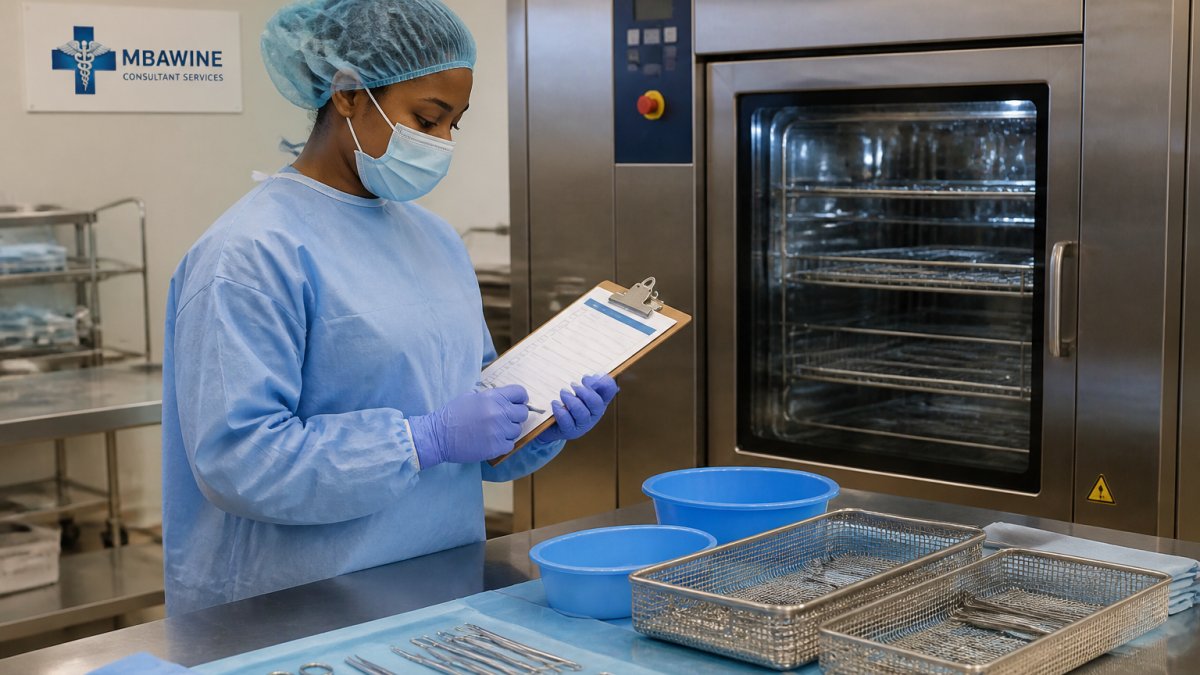
Your checklist should cover:
For more on workplace safety standards, the Occupational Safety and Health Administration guidelines outline the protective equipment and hazard rules that apply in healthcare settings.
Temporary sterile processing contract length should match the actual gap you are filling. Most assignments run from a few weeks to several months, depending on whether you are covering a leave, a seasonal spike, or a slow hiring pipeline. The mistake most facilities make is signing an open-ended contract and then treating the end date as someone else's problem.
Match the contract to the need:
Decide whether the temporary technician rotates shifts or locks into one. Rotating coverage sounds flexible but often leads to confusion about who owns which tasks. A common pattern that works well:
If you need weekend or night coverage, put it in the contract before the start date. Adding it later usually means renegotiating the rate and the hours.
A clean assignment has four parts: a start date, a named supervisor, a defined scope of work, and an end date or milestone. Write all four into the agreement.
At closeout, collect the badge, close system access, complete an exit checklist, and file the competency sign-off from Step 4. If the technician performed well, ask whether they would return for a future assignment. A reliable temporary technician who already knows your department is worth more than a fresh candidate who needs full orientation.
Assignment cost depends on more than the hourly rate. Factor in shift differentials for nights and weekends, overtime if the technician covers a callout, orientation hours before the technician is fully productive, and time-to-fill if the role stays open. A slightly higher rate from a staffing partner who can fill in three days often costs less than a lower rate that takes three weeks to fill. Compare total assignment cost, not just the posted rate.
Sterile processing productivity metrics tell you whether the temporary hire is working out. Track a small set of numbers and review them weekly.
Useful metrics include:
Compare a temporary technician's numbers to your permanent staff after the first two weeks. Early gaps are normal while someone learns your workflow. Gaps that persist past week three usually point to a training problem or a poor fit.
The Association for the Advancement of Medical Instrumentation publishes standards that guide instrument processing and quality control, and they are worth reviewing when you set your benchmarks.
Temporary staffing fails when it is treated as a last-minute scramble. Build a repeatable process instead: define the role, source early, screen for hands-on skill, verify everything, onboard with a checklist, set a clear contract length, and measure results. That process turns a recurring headache into a routine.
If you need help covering a sterile processing department, Mbawine Consultants offers interim management and staffing solutions built by credentialed experts.
The process has seven main steps: define the role and write a job post, source and screen candidates, conduct interviews, verify credentials and competency, onboard with a facility-specific checklist, set contract length and shift coverage, and measure performance. Each step matters because a temporary technician must be able to clean, disinfect, and sterilize surgical instruments correctly from the first shift. Skipping verification or onboarding increases the risk of infection control errors and slows down your department's turnaround time.
At minimum, a temporary technician should hold a CRCST or CIS certification, have hands-on experience with instrument processing, and know standard decontamination and sterilization procedures. Entry-level or trainee candidates may have completed a sterile processing program but lack work experience, so they need closer supervision. Ask about their familiarity with personal protective equipment, safety procedures, and the specific medical devices your facility handles. Credential and competency verification should happen before the first shift.
Most facilities need one to three days for orientation, depending on department size and the complexity of your instrument sets. A thorough onboarding checklist covers facility-specific protocols, equipment locations, documentation requirements, and safety procedures. Temporary technicians who already know sterile processing fundamentals can focus on learning your workflow rather than basic technique. If you use a staffing provider, confirm whether they handle part of the orientation or leave it entirely to your team.
Temporary staffing makes sense during vacation coverage, medical leave, seasonal surgery surges, or when you have open permanent positions you cannot fill quickly. It also helps during department transitions, such as installing new washer-disinfectors or implementing updated sterilization protocols. Bringing in a temporary technician prevents overtime burnout among your core team and keeps instrument turnaround times stable. Plan the contract length around the actual gap, not a fixed default, so you avoid unnecessary costs.


