

Last Updated: August 23, 2026
A certified healthcare leader is a healthcare professional who has earned formal credentials demonstrating competency in management, supervisory experience, and operational oversight within clinical settings. This certification validates expertise in leadership competencies, regulatory compliance, patient safety, and quality assurance, skills essential for advancing from technical roles into administrative positions within hospitals, ambulatory-surgical facilities, and reprocessing units.
The path to becoming a certified healthcare leader typically begins with foundational clinical certifications like the Certified Registered Central Service Technician (CRCST) or Certified Instrument Specialist (CIS), then progresses into dedicated leadership credentials. These certifications recognize that managing a sterile processing department requires more than technical knowledge, it demands the ability to oversee staff, maintain accreditation standards, optimize workflows, and ensure patient safety across complex healthcare operations.
At Mbawine Consultants, we work with healthcare professionals pursuing this career progression. The certification itself signals to employers that you've invested in professional development and understand the regulatory landscape that governs modern healthcare facilities.
Before pursuing a certified healthcare leader credential, most candidates first complete the CRCST certification, the foundational credential for sterile processing professionals. Understanding these requirements provides context for the leadership pathway that follows.
Eligibility for CRCST certification hinges on specific work experience hours and educational prerequisites. Candidates must demonstrate hands-on experience in sterile processing environments, proving they understand decontamination, sterilization methods, instrument handling, and quality assurance protocols.
Most certifying bodies require a minimum of 400-800 full-time equivalent work hours in sterile processing roles within a defined timeframe (typically the past three years) (aami.org). Some candidates accelerate this by working full-time shifts, a common scenario we see with professionals balancing 12-hour hospital shifts while pursuing certification. The key is documenting verifiable hours and maintaining current employment records.
Educational pathways vary. Some candidates complete formal sterile processing programs through accredited institutions, while others demonstrate competency through direct work experience alone. The specific combination of hours and education depends on your certifying body's standards, so verification of current requirements is essential before applying.
Full-time equivalent hours represent the core eligibility requirement. A full-time position typically equals 2,000 hours annually, so candidates working standard 40-hour weeks accumulate hours quickly. However, part-time employees can still qualify, the calculation adjusts proportionally.
Documentation matters significantly. Employers must verify your hours through official employment records, and gaps or inconsistencies can delay applications. We recommend maintaining detailed records of your work schedule, supervisor confirmations, and specific duties performed. This documentation becomes critical when applying, and having it organized from the start prevents delays.
The timeline is realistic for working professionals. A full-time technician working continuously can meet eligibility requirements within 6-12 months, depending on the specific standard. Part-time workers should plan for extended timelines, typically 18-24 months to accumulate sufficient hours.
The path to becoming a certified healthcare leader involves passing a comprehensive examination that tests your understanding of management skills, healthcare administration, operational oversight, and professional standards. This exam represents the formal validation of your readiness for leadership roles.
The examination typically consists of multiple choice questions presented in a proctored format. The testing environment ensures standardization and security, you'll take the exam at an authorized testing center with proctored oversight, or through remote proctoring options that have become increasingly common since 2024.
Most CHL exams contain 100-150 questions covering the exam blueprint's designated content areas. You'll typically have 3-4 hours to complete the examination, allowing time to read carefully and review answers. The format tests both knowledge recall and applied judgment, questions often present real-world scenarios requiring you to identify the best leadership response.
The passing score threshold varies by certifying body, but typically ranges from 70-75% correct answers. This standard ensures candidates possess practical competency, not just theoretical knowledge.
The exam blueprint breaks down content into major domains: leadership competencies, healthcare administration, regulatory compliance, quality assurance, and patient safety. Each domain carries weighted emphasis, leadership competencies and management skills typically receive the heaviest weighting because these directly impact your effectiveness as a department manager.
Understanding the blueprint is non-negotiable. The blueprint tells you exactly what percentage of questions cover each topic area, allowing you to allocate study time proportionally. A common mistake is spending equal time on all topics, instead, weight your preparation toward high-emphasis areas where the exam will test you most heavily.
Specific content areas include supervisory experience application, accreditation standards, infection prevention, inventory management, staff development, budget oversight, and regulatory compliance. The blueprint also emphasizes soft skills like communication, conflict resolution, and team motivation, recognizing that technical knowledge alone doesn't make an effective leader.
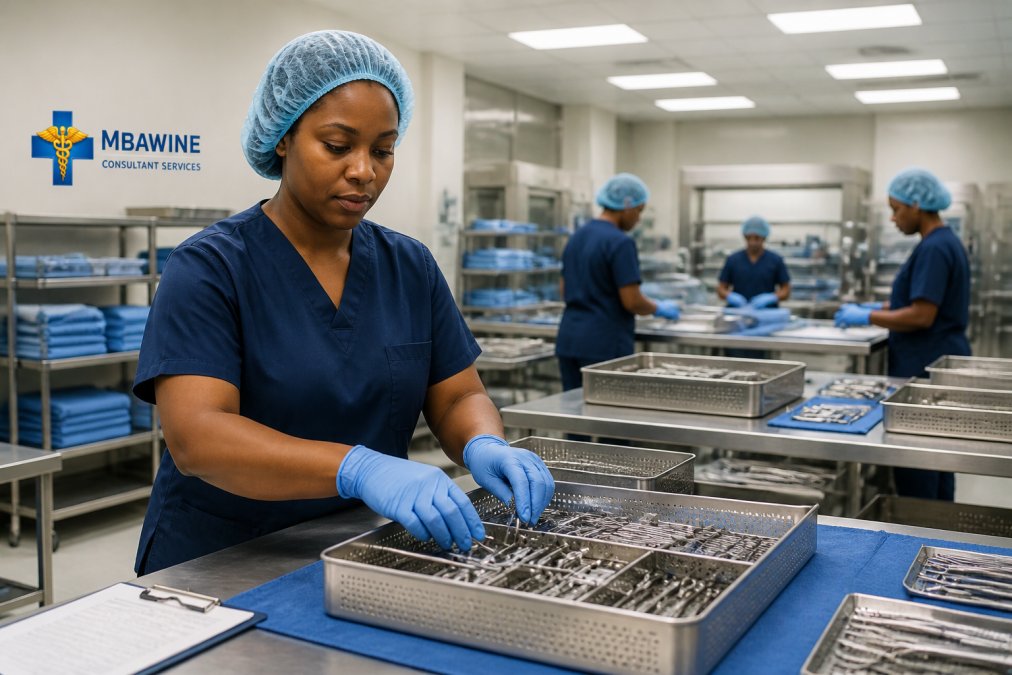
Passing the certified healthcare leader exam requires systematic preparation that goes beyond passive reading. The most successful candidates treat exam prep like a professional project, setting deadlines, tracking progress, and adjusting strategies based on practice test results.
Start by obtaining the official exam blueprint from your certifying body. This document becomes your study roadmap. Map each blueprint domain to specific study resources, then create a timeline that allows 8-12 weeks of consistent preparation for working professionals.
A realistic study schedule dedicates 1-2 hours daily to focused preparation. This is achievable even for professionals working 12-hour shifts, the key is consistency over marathon sessions. Morning study before work, lunch breaks, or evening study after rest typically works better than cramming weekend hours.
Divide your preparation into phases: first, master foundational concepts using your study materials; second, work through practice questions to identify weak areas; third, take full-length practice exams under timed conditions to simulate the actual testing environment. This progression builds confidence and reveals exactly where you need additional focus.
Practice questions are invaluable. They reveal which content areas trip you up and help you recognize question patterns. Many candidates discover that they understand the material conceptually but struggle with how exam questions phrase scenarios. Regular practice question exposure trains your brain to recognize what examiners are testing.

Remote learning has transformed certification preparation. Rather than attending in-person classes on fixed schedules, you can access study materials on your timeline, critical for professionals managing 12-hour shifts and family responsibilities.
Audio and video modules allow you to learn during commutes or breaks. Many professionals listen to recorded lectures while driving to work or during lunch breaks, then reinforce concepts with written materials during dedicated study sessions. This flexibility means you're not sacrificing work or personal time, you're using existing time more strategically.
Web conferencing options with instructors provide live interaction without location constraints. You can ask questions in real time, discuss challenging concepts, and get feedback on your preparation strategy. This combines the flexibility of self-paced learning with the accountability and personalized guidance of instructor-led preparation.
The critical factor is choosing preparation resources aligned with the actual exam blueprint. Generic healthcare management courses might provide useful context, but they won't specifically prepare you for the certified healthcare leader examination. Ensure your chosen resources explicitly reference the exam blueprint and cover tested content areas.
Becoming a certified healthcare leader opens advancement opportunities that technical certifications alone cannot unlock. This credential signals readiness for supervisory and management positions where your decisions impact department operations, staff development, and patient safety outcomes.
Leadership competencies, distinct from technical skills, become your primary focus at this career stage. Technical competence means you understand sterilization processes and instrument handling. Leadership competence means you can motivate staff, manage budgets, navigate regulatory requirements, and make strategic decisions under pressure. The certified healthcare leader credential validates both.
Advancement typically follows a progression: technician → lead technician → supervisor → manager → director. The certified healthcare leader credential accelerates this progression by demonstrating formal preparation for supervisory roles. Employers recognize that certified leaders have studied management principles, regulatory compliance, and healthcare administration, reducing their training burden and increasing confidence in your readiness.
The career impact extends beyond title changes. Supervisory and management positions offer different compensation structures, typically moving from hourly wages to salary positions with additional benefits. The specific salary impact depends on facility size, geographic location, and your negotiation.
Professional standards and accreditation bodies increasingly expect sterile processing departments to have certified leadership. This creates demand for credentialed managers, making your certification a competitive advantage in the job market. Facilities pursuing Joint Commission accreditation, for example, benefit from having certified leaders managing their central service operations.
Certification isn't a one-time achievement, it requires ongoing professional development to maintain. Continuing education requirements ensure certified healthcare leaders stay current with evolving standards, regulatory changes, and best practices in healthcare management.
Most certifying bodies require 30-40 continuing education units (CEUs) every 3-5 years to maintain your certification. These units come from approved professional development activities: conferences, workshops, online courses, professional publications, and advanced certifications. The specific requirements depend on your certifying body, but the principle remains consistent, active engagement with your profession.
Planning for recertification should begin early. Rather than scrambling to accumulate CEUs near your renewal deadline, integrate professional development into your regular practice. Attending one professional conference annually, completing one online course per year, and reading current literature in healthcare management naturally accumulates the required hours without last-minute stress.
The recertification process validates that you're maintaining professional standards and staying informed about regulatory changes, new sterilization technologies, and management best practices. This ongoing credential maintenance protects both you and the facilities you serve by ensuring your knowledge remains current.
The path to becoming a certified healthcare leader begins with clear action steps. First, verify the specific eligibility requirements and exam details from your certifying body, standards vary, and confirming current requirements prevents wasted effort on outdated information.
Second, assess your current work experience hours against eligibility requirements. If you're not yet eligible, create a timeline for accumulating necessary hours. If you're already eligible or close to eligibility, begin gathering documentation of your work experience and educational background.
Third, obtain the official exam blueprint and select study resources aligned with that blueprint. Generic healthcare management materials provide context but won't specifically prepare you for the certified healthcare leader examination. Ensure your preparation resources explicitly address tested content areas.
Fourth, establish a realistic study schedule. For working professionals, 1-2 hours daily over 8-12 weeks typically provides adequate preparation. Consistency matters more than intensity, regular daily study beats sporadic marathon sessions.
Finally, schedule your examination with adequate preparation time behind you. Most candidates benefit from completing practice exams under timed conditions before attempting the actual certification exam. This reveals whether you're truly ready or need additional preparation time.
Mbawine Consultants supports professionals at every stage of this journey. Our remote learning options, audio modules, video instruction, and web conferencing with credentialed instructors, fit into working schedules without requiring you to sacrifice your current position. We've specifically designed our approach for professionals like you: working full-time in sterile processing while advancing into leadership roles. Many candidates complete our preparation program while maintaining their current 12-hour shifts.
Becoming a certified healthcare leader requires commitment to professional development and systematic exam preparation, but the career advancement and expanded opportunities justify the investment. The credential signals to employers that you understand healthcare administration, regulatory compliance, and the management skills essential for department leadership. Whether you're advancing from a technical role or transitioning into healthcare management, this certification establishes your credibility in a field where patient safety and operational excellence depend on strong leadership. Start with clear eligibility verification, choose preparation resources aligned with the actual exam blueprint, and commit to consistent study, then take the next step toward the leadership position you're pursuing. Healthcare Leadership Education Resources and Sterile Processing Professional Standards provide additional context on continuing education and professional development in this field.
To pursue CHL certification, you typically need to be a registered nurse, hold a CRCST or CIS certification, or have equivalent healthcare leadership experience. Most certifying bodies require a minimum of two years of full-time equivalent work experience in healthcare, with at least one year in a supervisory or management role. Specific eligibility criteria vary by certifying organization, so verify requirements with the body offering the certification you plan to pursue.
Preparation timelines vary based on your background and study intensity. Professionals with sterile processing experience typically need 8-12 weeks of focused preparation. Remote learning options allow you to study at your own pace around full-time work schedules. The key is consistent study rather than cramming, most candidates benefit from dedicating 5-10 hours per week to exam content review, practice questions, and professional development materials.
CHL certification positions you for supervisory and management roles in central service departments, ambulatory surgical facilities, and third-party reprocessing units. It demonstrates leadership competencies, regulatory compliance knowledge, and operational oversight capabilities that healthcare facilities value. Certified leaders often advance to department manager, operations director, or quality assurance positions. The credential signals to employers that you understand both clinical management and administrative responsibilities required in healthcare settings.
CRCST (Certified Registered Central Service Technician) focuses on technical sterile processing skills, instrument handling, sterilization processes, and quality assurance at the operational level. CHL (Certified Healthcare Leader) builds on that foundation with management skills, supervisory experience, and leadership competencies needed for administrative roles. CRCST is typically your first certification; CHL is the next step if you're advancing into management. Many professionals earn CRCST first, gain supervisory experience, then pursue CHL.
Yes, remote learning options like audio modules, video content, and web conferencing make it feasible to prepare around 12-hour shifts. Structure your study schedule during off-days or use shorter study blocks on work days. Many candidates benefit from breaking preparation into smaller weekly commitments rather than intensive weekend sessions. Flexible learning formats allow you to study from home at times that fit your schedule, making certification achievable even with demanding clinical hours.
The CHL exam blueprint typically covers leadership competencies, healthcare administration, regulatory compliance, patient safety, quality assurance, and operational oversight. You'll encounter multiple choice questions testing knowledge of management principles, team leadership, budget oversight, and accreditation standards. Content also includes professional standards relevant to central sterile processing, infection control, and healthcare workforce management. Review the exam blueprint provided by your certifying body to align your study strategy with tested competencies.
CHL certification opens doors to department manager, operations director, quality assurance supervisor, and clinical management positions in hospitals, ambulatory surgical centers, and reprocessing facilities. Some professionals advance to regional management overseeing multiple departments or facilities. Others move into accreditation and regulatory compliance roles. The certification validates your ability to handle supervisory experience, staff training, budget management, and operational oversight, skills healthcare organizations actively seek in leadership candidates.
This article was written using GrandRanker


