

Last Updated: August 24, 2026
Before you can improve sterile processing productivity, you need to know where you stand. Many departments operate without clear visibility into their actual performance, making it impossible to identify what's working and what isn't. Establishing baseline performance metrics gives you a foundation for measuring progress and spotting inefficiencies.
Start by tracking key performance indicators that matter for sterile processing productivity. Tray volume processed per shift, average turnaround time from decontamination to sterilization completion, and instrument tracking accuracy are essential starting points. These metrics reveal patterns you can't see without data. A department might feel busy but actually be moving fewer trays than it should, or it might have excellent volume but unacceptable error rates.
Document your current state honestly. This means measuring what's actually happening, not what you think is happening. Many teams discover their real cycle time is longer than expected once they start tracking it. Others find bottlenecks they never noticed because the data makes them visible. The goal isn't to find problems to feel bad about, it's to create a baseline you can improve from.
Record use rates for your sterilization equipment. If your autoclave runs at 60% capacity when it could run at 85%, that's actionable information. Track staff competency levels too, noting which technicians complete tasks faster and whether speed correlates with quality. This data becomes your roadmap for the improvements ahead.
Sterile processing workflow optimization starts with understanding exactly how your department moves instruments from dirty to clean to sterilized. Many departments have never mapped their actual process, they've just inherited it. Mapping reveals where work stalls, where steps could be combined, and where manual handling creates delays.
Walk through your decontamination, inspection, assembly, and sterilization processes step by step. Note every handoff, every waiting period, every decision point. A common bottleneck is the inspection stage: if one person inspects all instruments and they're slow or meticulous to the point of inefficiency, everything backs up. Another frequent problem is poor organization of workstations, forcing technicians to search for instruments or supplies instead of working continuously.
Time each major step. Decontamination might take 45 minutes for a full load. Assembly might take 30 minutes. Sterilization cycle time is fixed by your equipment, but the time spent waiting for a cycle to start is not. If technicians assemble trays and then wait 20 minutes for the next available sterilizer slot, that's lost productivity you can recover.
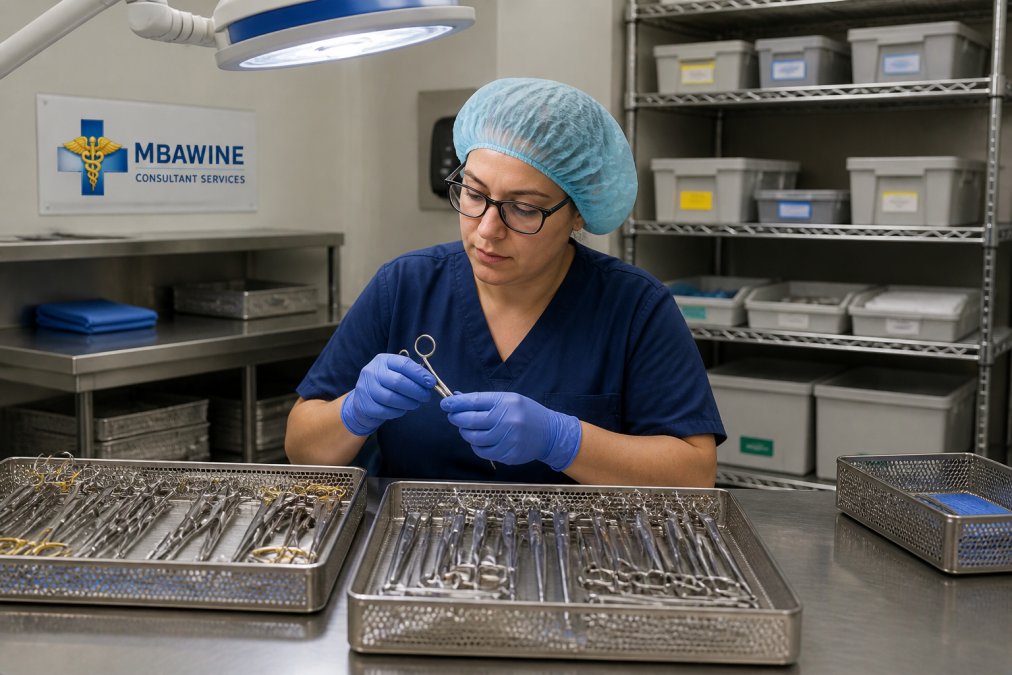
Identify where instruments sit idle. Surgical case carts waiting for sterilization, sterilized trays waiting for delivery, or instruments waiting for inspection all represent wasted cycle time. The goal isn't to rush, it's to eliminate waiting. Smooth workflow means work moves continuously without unnecessary pauses.
Lean methodology focuses on eliminating waste and maximizing value. In sterile processing, waste looks like unnecessary motion, waiting time, overproduction, and rework. Applying lean principles means redesigning your workflow to reduce these inefficiencies.
Start with the 5S methodology: Sort, Set in Order, Shine, Standardize, Sustain. Sort your workstations by removing tools and supplies you don't use regularly. Set everything in order so technicians can grab what they need without searching. Shine means keeping workstations clean and organized daily. Standardize means every technician follows the same process. Sustain means making these practices stick through training and accountability.
Value stream mapping is another lean tool that works well for sterile processing productivity. Map every step from instrument arrival to delivery, noting where value is added and where it isn't. Sterilization adds value. Inspection adds value. Waiting for a sterilizer slot does not. Once you see the waste visually, removing it becomes obvious.
Implement batch processing where it makes sense. Instead of running small sterilization loads throughout the day, batching similar instruments and running larger loads reduces total cycle time. However, balance this against the need for surgical instruments to be available when cases are scheduled. The sweet spot depends on your case load and equipment capacity.
Quality and productivity are not opposing forces, they work together. A department with high error rates wastes time reworking instruments, dealing with compliance issues, and managing patient safety concerns. Strong quality control actually improves sterile processing productivity by preventing the delays that come from mistakes.
Implement a systematic inspection process that catches errors before sterilization. Many departments skip thorough inspection to save time, but this creates bigger problems later. A technician who finds a damaged instrument before sterilization prevents a surgical delay. One who misses it creates a crisis.
Use checklists for every major process. Decontamination checklists ensure instruments are actually clean. Assembly checklists prevent missing items from surgical sets. Sterilization monitoring checklists confirm proper cycle parameters. Checklists seem simple, but they prevent the mental lapses that cause errors when people work fast.
Establish clear standards for what acceptable looks like. Instruments must be visibly clean with no organic material. Trays must be assembled according to specific configurations. Sterilization indicators must show proper color change. When everyone knows the standard and how to verify it, quality stays consistent even when volume increases.
Track errors by type and location. If the decontamination area produces more errors than inspection, you have a training or process problem there. If assembly errors spike on certain days, staffing or fatigue might be the issue. Data-driven quality improvement targets the real problems, not assumptions.
Automation is not about replacing people, it's about freeing them from repetitive work so they can focus on tasks requiring judgment and skill. In sterile processing, automation handles the tasks that consume time without adding much value.
Manual instrument tracking creates bottlenecks and errors. Technicians spend time searching for specific instruments, verifying counts, and updating records. An automated instrument tracking system eliminates this waste.
Barcode labeling lets you scan instruments at each stage: when they arrive, when they're cleaned, when they're assembled into sets, and when they're sterilized. This creates an instant record of where everything is and what stage it's in. Surgeons can verify their instruments are ready without calling the SPD. Inventory management becomes automatic.
RFID systems go further, tracking instruments without requiring line-of-sight scanning. You can verify an entire surgical set is present and sterilized without opening the tray. This reduces handling and speeds verification.
The initial setup takes effort, but the ongoing time savings are substantial. A department that spends 30 minutes per shift searching for instruments or verifying counts saves 2.5 hours per week once tracking is automated. That's capacity for 10-15 additional trays per week.
Sterilization equipment generates data about temperature, pressure, and time. Most departments print this data and file it. Automated monitoring systems capture this data electronically, verify it meets standards, and flag any cycles that don't meet parameters. maintain cleanroom sterility.
This eliminates manual data entry errors and speeds compliance documentation. It also alerts you immediately if a sterilizer isn't performing correctly, preventing bad cycles from being released for surgery.
Predictive maintenance features can warn you when equipment needs servicing before it fails. A sterilizer breakdown stops your entire department. Preventing breakdowns through automated monitoring protects your sterile processing productivity.
Your team's skill level directly affects how fast and accurately work gets done. Well-trained technicians work faster, make fewer errors, and solve problems independently. Poorly trained staff create bottlenecks and rework.
Develop a structured training program for new hires. Don't assume they'll pick things up on the job. Formal training on decontamination techniques, instrument identification, sterilization principles, and safety standards gets people productive faster. Training should include both classroom learning and hands-on practice with supervision.
Certification matters. Technicians pursuing CRCST or CIS credentials study the science behind sterilization, not just the steps. This deeper knowledge helps them understand why processes matter and how to adapt when something goes wrong. Certified technicians are more valuable and often work more efficiently.
Mbawine Consultants offers flexible test preparation for CRCST and CIS certifications, allowing technicians to study while working full-time shifts. This removes the barrier of finding time for professional development. Supporting staff certification shows you're invested in their growth, which improves retention and performance.
Create a culture of continuous improvement. When technicians understand that their feedback matters and that process changes are based on their input, they engage more fully. A technician who's been doing the same task for years might have ideas for doing it faster or better. Ask them.
Measure competency regularly. Some technicians will naturally work faster than others, but everyone should meet minimum standards for speed and accuracy. Identify your top performers and have them mentor others. Peer learning often works better than formal instruction.
Sterile processing is physically demanding work. Technicians stand for hours, reaching, lifting, and moving instruments. Poor workstation design creates fatigue, which slows work and increases error rates. Ergonomic design keeps people comfortable and productive throughout their shift.
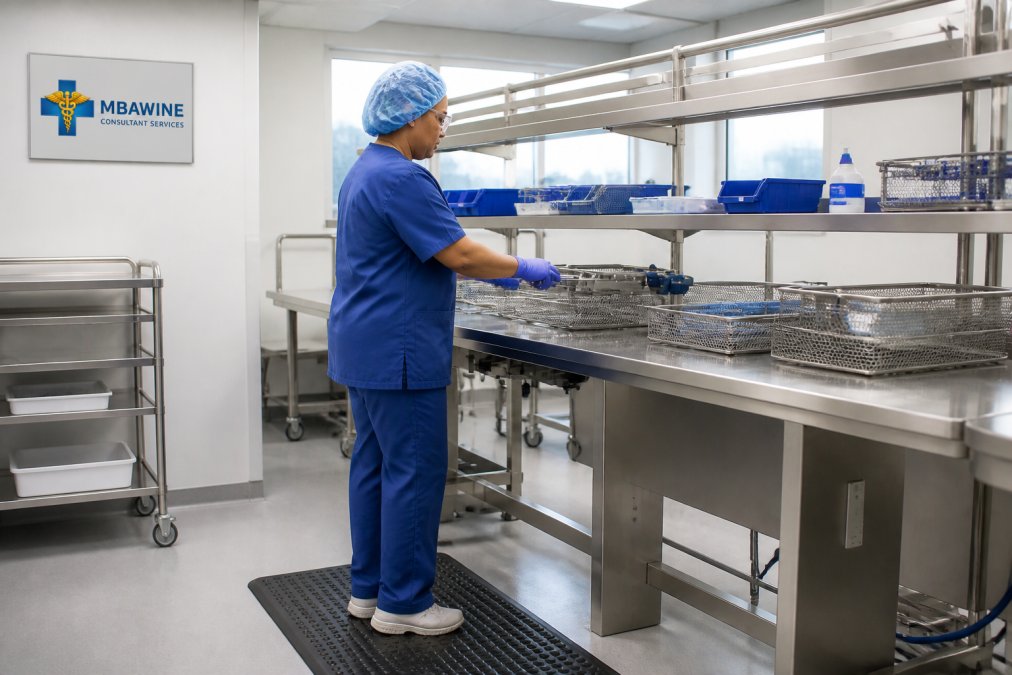
Adjust counter heights so technicians don't have to bend or reach awkwardly. The ideal height depends on the task, decontamination might require a slightly different height than assembly. If your budget allows, adjustable-height workstations let technicians customize their setup.
Organize instruments and supplies within easy reach. Frequently used items should be at waist to shoulder height. Less frequently used items can be lower or higher. This reduces unnecessary reaching and bending throughout the day.
Use anti-fatigue mats where technicians stand for long periods. The difference in leg fatigue at the end of a shift is noticeable. Less fatigue means better focus and fewer mistakes in the final hours of the day.
Provide proper lighting. Poor lighting forces technicians to lean closer to see instruments clearly, creating neck and back strain. Bright, focused lighting on work surfaces lets them maintain good posture.
Consider the layout of your entire department. If technicians have to walk long distances between stations, that's wasted time and unnecessary physical strain. A logical flow from decontamination to inspection to assembly to sterilization reduces walking and keeps work moving.
Rotations help too. If someone spends the entire shift at one task, fatigue builds and errors increase. Rotating between different tasks uses different muscle groups and keeps people mentally engaged.
You can't improve what you don't measure against a standard. Benchmarking shows you how your department compares to similar facilities and reveals where you have the most opportunity for improvement.
Industry benchmarks vary by facility size and type, but certain standards apply broadly. A typical sterile processing department should process 100-150 trays per shift depending on equipment and staffing (apic.org). Turnaround time from dirty to sterile should be under 4 hours for routine cases (aami.org). Error rates should be under 2%.
Your actual numbers might be better or worse, and that's the point of benchmarking. If you're processing 80 trays per shift when similar-sized facilities process 120, you have a productivity problem worth investigating. If your error rate is 4%, that's a quality issue that's probably also slowing you down through rework.
According to Association for Professionals in Infection Control and Epidemiology guidance, departments should track sterilization cycle efficiency and instrument use as core metrics. Benchmarking against these standards helps you identify gaps.
Participate in peer networks or industry groups if possible. Talking with colleagues at other facilities gives you informal benchmarks and practical ideas. Many professionals in sterile processing are willing to share what works because improving the field benefits everyone.
Don't benchmark just on speed. Compare your error rates, staff retention, compliance scores, and equipment uptime too. A fast department with high turnover and compliance issues isn't actually performing well. True productivity includes quality and sustainability.
Use benchmarking to set realistic improvement targets. If you're at 80 trays per shift and the benchmark is 120, jumping to 115 in three months isn't realistic. A 15% improvement to 92 trays is achievable and meaningful.
Improving sterile processing productivity requires a systematic approach that balances speed with quality, automation with human skill, and individual effort with team coordination. Start with baseline metrics so you know where you stand. Map your workflow to find bottlenecks. Implement lean principles to eliminate waste. Invest in staff training and ergonomic workstations so your team can work efficiently without burning out. Use technology to automate repetitive tasks and free people for higher-value work.
At Mbawine Consultants, we work with sterile processing departments to implement these improvements through interim management, staff training, and specialized education. Our team has the credentialed expertise to assess your specific situation and guide you toward measurable improvements in both productivity and quality. Whether you need certification preparation for your staff, interim leadership during transitions, or comprehensive operational support, we provide the expertise and flexibility to help your department achieve excellence. Enroll in our programs and transform how your department operates.
Critical KPIs include turnaround time (hours from case completion to instrument availability), tray volume processed per shift, sterilization cycle time, and error rates. Track utilization rates of sterilizers and decontamination equipment, staff competency scores, and compliance metrics. Throughput, the number of surgical instrument sets processed daily, directly reflects department efficiency. Monitor these metrics weekly to identify trends and prioritize improvements.
Streamlined workflows minimize manual handling and reduce opportunities for mistakes. Standardized operating procedures ensure every technician follows identical steps for decontamination, sterilization, and instrument tracking. Implementing automated labeling and instrument tracking systems eliminates guesswork. When staff focus on fewer, clearly defined tasks rather than juggling multiple processes, error rates drop significantly. Regular audits of your workflow reveal where errors occur most frequently.
Inefficient decontamination workflows, poor instrument organization, and inadequate staff training are top culprits. Many departments lack clear standard operating procedures, forcing technicians to improvise. Insufficient preventative maintenance on sterilization equipment causes unexpected downtime. Failing to track instruments properly leads to lost trays and repeated processing. Workstations designed without ergonomics in mind cause fatigue and slower work. Addressing these mistakes through process improvement and staff competency assessment yields immediate productivity gains.
Productivity improvements don't require added hours, they require smarter processes. Start with small, high-impact changes: implement instrument tracking systems, standardize your decontamination sequence, or redesign one workstation for better ergonomics. Many improvements reduce physical strain, actually making shifts feel less demanding. Flexible learning options allow you to develop leadership skills at your own pace, preparing you for advancement into administrative roles where you can drive larger department-wide improvements.
This article was written using GrandRanker


