

Last Updated: August 19, 2026
Surgical instrument errors cascade from breakdowns in decontamination protocols, tracking systems, staff training, and human factors. Root causes cluster into three categories: contamination during decontamination (bioburden, corrosion, inadequate drying), packaging and assembly errors (incorrect tray assembly, compromised integrity, failed identification), and human error driven by fatigue or unclear procedures.
These errors are preventable. Most facilities discover problems only after instruments reach the operating room, creating surgical delays and patient safety risks. The cost compounds: wasted sterilization cycles, emergency reprocessing, potential surgical site infections, and regulatory compliance issues. Addressing root causes upstream eliminates errors before they reach the surgical field.
A surgical instrument tracking system is a digital or barcode-based method that monitors every instrument through its entire lifecycle, from the operating room through decontamination, sterilization, and back to inventory.
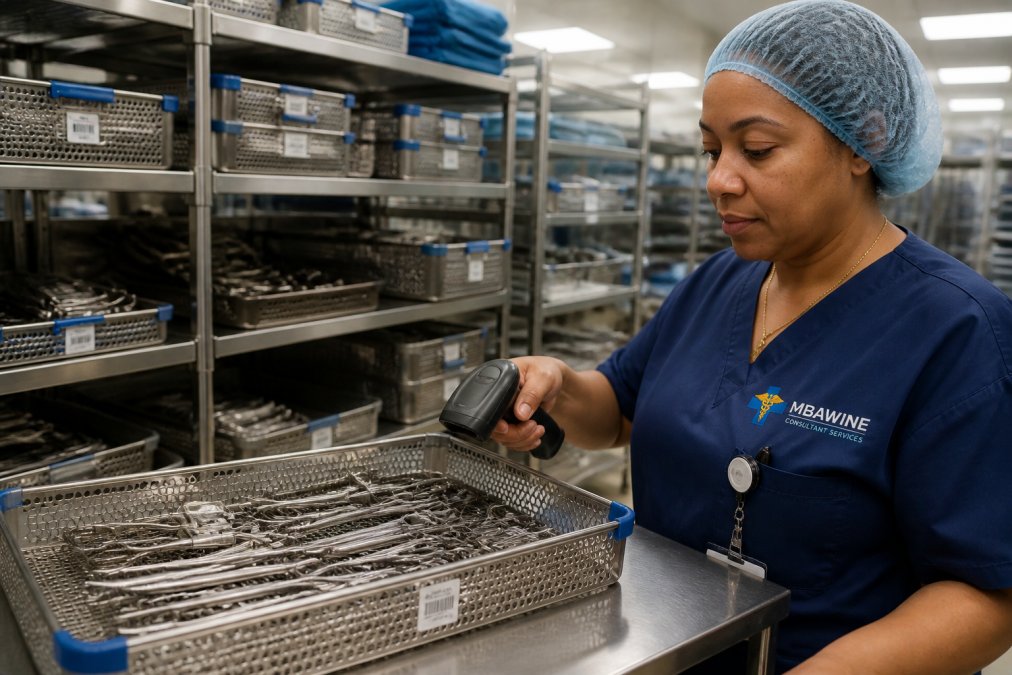
Modern tracking systems capture data at critical control points. When an instrument enters the sterile processing department, it's scanned. When it's cleaned, packaged, and sterilized, each step is logged. This creates an unbroken chain of custody that answers where an instrument has been and what happened to it.
If a surgical team discovers a problem during a procedure, you can instantly pull every other instrument from that batch, identify affected operating rooms, and determine which reprocessing steps failed. Without tracking, you're guessing.
Tracking also prevents duplicate sterilization and instrument loss. Implementation requires choosing between basic barcode systems and more sophisticated RFID or software-integrated platforms. What matters most is consistency: every instrument must be tracked every time, without exception.
Decontamination is where most surgical instrument errors begin. Bioburden must be removed completely before sterilization. If cleaning is inadequate, sterilization cannot reach contaminated surfaces.
Effective decontamination starts with immediate point-of-use cleaning. Don't let blood or tissue dry on instruments. If instruments must wait, keep them moist in enzymatic solution. Ideally, instruments reach the decontamination area within 30 minutes of use.
Ultrasonic cleaning removes debris from lumens and crevices that manual scrubbing misses. Use the correct cleaning solution for the material and temperature (typically 110-130 degrees Fahrenheit). Rinse thoroughly with deionized or distilled water, not tap water, which leaves mineral deposits. Dry completely using compressed air followed by lint-free towels to prevent internal corrosion.
Surgical trays must be assembled to a documented standard every single time. A written specification prevents random assembly where different staff members pack trays differently.
Use the correct packaging material for your sterilization method. Steam sterilization requires different materials than ethylene oxide or hydrogen peroxide gas plasma. Weight matters: overloaded trays don't sterilize properly because steam or gas can't penetrate to the center. Most facilities use a maximum weight of 12 pounds for steam sterilization.
Seal integrity is critical. Peel pouches must be sealed with the correct heat sealer at the correct temperature. Validate your sealer monthly using chemical indicators. Label every tray with the sterilization date, staff member who assembled it, and contents for traceability.
The Association for the Advancement of Medical Instrumentation (AAMI) publishes standards that define best practices for sterile processing. AAMI ST79 is the primary standard for steam sterilization of wrapped surgical instruments. AAMI ST58 covers low-temperature hydrogen peroxide gas plasma sterilization.
AAMI standards address every phase of sterilization: preparation, packaging, sterilization parameters, monitoring, and documentation. They specify minimum time and temperature for steam sterilization (typically 250-275 degrees Fahrenheit for 3-10 minutes depending on load type) and require validation testing when you first install a sterilizer and at least annually thereafter.
Compliance with AAMI standards is often required for accreditation and regulatory inspection. Implementing these standards means documenting procedures, training all staff, and auditing compliance regularly.
A maintenance checklist forces deliberate inspection of instruments before use, catching problems early. The checklist should include visual inspection for corrosion, pitting, or discoloration; checking hinges and joints for stiffness; examining cutting edges for chips; inspecting lumens for internal corrosion; and testing ratchets and locks.
Frequency depends on instrument type and usage. High-use instruments should be inspected after every sterilization cycle. Document findings and remove instruments from service immediately if they show wear. Lubrication with surgical instrument lubricant is part of maintenance for instruments with moving parts.
Maintenance prevents instrument malfunction during procedures and is far less costly than emergency replacement or surgical delay.
Human error is the leading cause of surgical instrument errors, but the error usually reflects a system failure that made the error easy, not individual fault.
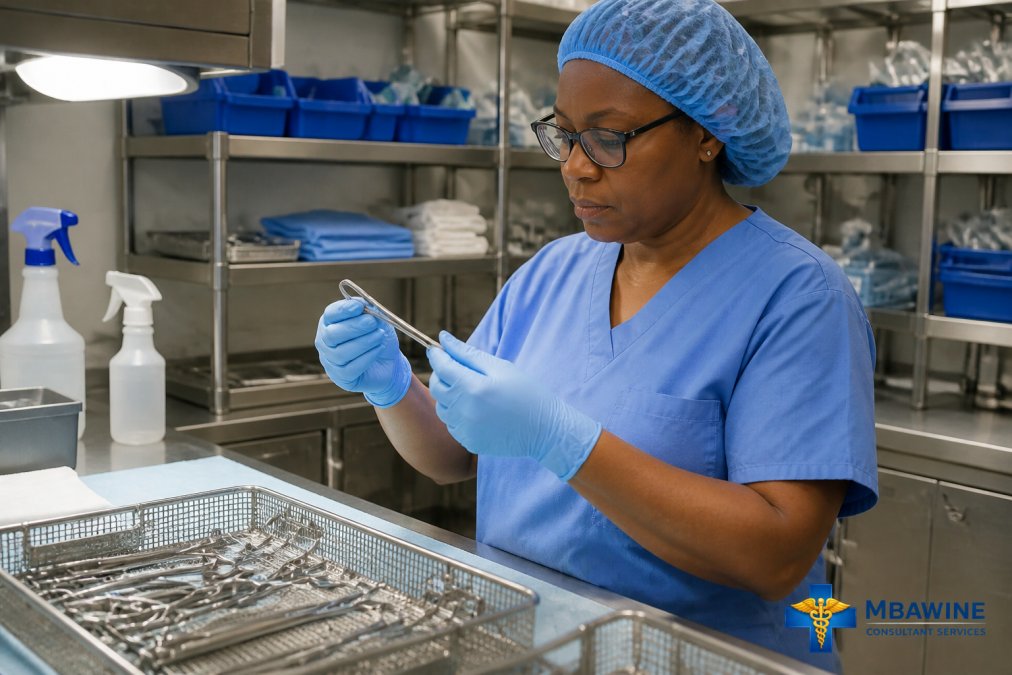
Training must cover the "why" behind procedures. When staff understand the reasoning, they're more likely to follow procedures and catch problems. Human factors engineering focuses on designing workflows that prevent errors rather than relying on people to avoid them. If instruments are stored in specific locations, staff won't grab the wrong tray. If trays are labeled clearly, staff won't misread contents. If workflow moves in one direction (dirty to clean to sterile), instruments can't go backward.
Fatigue increases error risk. Scheduling matters: rotating staff through different tasks prevents monotony that leads to careless mistakes. Communication is critical. Create a culture where raising concerns is valued, not punished. Training should be ongoing, not one-time, with competency assessed periodically.
Data transforms error prevention from reactive to proactive. When you track errors systematically, patterns emerge that point to root causes.
Digital tools capture data automatically. A sterilizer that logs time, temperature, and pressure creates an audit trail. Tracking systems record when instruments were processed and by whom. Quality assurance software flags trays that don't meet specifications. This data reveals trends: which sterilizer runs fail most often, which staff members have higher error rates, which instrument types cause problems repeatedly.
Root cause analysis becomes possible with data. If you see a spike in contaminated instruments, you can investigate whether there was a change in cleaning solution, a new staff member, or equipment malfunction. Digital tools also enable real-time alerts: if sterilizer temperature drifts, if an instrument is scanned twice, or if a tray exceeds weight limits.
Implementation requires choosing the right tools for your facility's size. Small facilities may use basic spreadsheet tracking. Larger facilities benefit from integrated software. Training staff on digital tools is essential; intuitive interfaces ensure adoption.
When errors occur, structured root cause analysis determines what went wrong and how to prevent recurrence. Root cause analysis isn't about blame; it's about understanding the system failure that allowed the error.
Start by documenting the error in detail: what was the instrument, what was the error, when was it discovered, who was involved, where did it happen? Ask "why" repeatedly. Why did the staff member forget the step? Because they were interrupted. Why were they interrupted? Because the workflow lacks a designated quiet zone for critical tasks. Now you've identified a system-level problem.
Investigate whether the error was isolated or part of a pattern. Document findings and implement corrective actions: procedural changes, workflow redesigns, training improvements, or equipment upgrades. Follow up to ensure the corrective action prevents recurrence.
Reducing surgical instrument errors requires coordinated effort: strong tracking systems, validated sterilization protocols, staff training grounded in human factors, and data-driven continuous improvement. Mbawine Consultants works with sterile processing departments to implement these systems, providing interim management expertise, staff training, and specialized education that translates best practices into operational reality. The result is fewer errors, greater operating room efficiency, and improved patient safety. To learn how your facility can strengthen error prevention, explore how Mbawine Consultants' comprehensive sterile processing support can help your team achieve excellence in sterilization standards.
The leading causes include human error during assembly and packaging, inadequate decontamination, instrument tracking failures, and lack of standardized workflows. Bioburden and corrosion from improper cleaning also contribute significantly. Staff fatigue, especially during long shifts, increases defect identification failures. Implementing consistent standard operating procedures and regular quality assurance audits addresses most of these root causes.
Surgical instrument tracking systems create traceability throughout the entire instrument lifecycle, from decontamination through sterilization to operating room use. Barcode or RFID-based tracking captures data at each stage, enabling rapid identification of contamination sources or processing failures. When errors occur, complete tracking records support root cause analysis and prevent the same defect from reaching the operating room again, directly improving patient safety.
Training reduces human error by establishing clear standard operating procedures and building competency in defect identification, instrument inspection, and proper handling techniques. Certified staff understand bioburden, corrosion risks, and packaging integrity requirements. Ongoing education keeps teams updated on AAMI standards and facility protocols. Staff who understand the why behind each step, not just the how, catch errors before they reach the surgical suite, significantly improving operating room efficiency and patient outcomes.
AAMI standards provide evidence-based guidelines for sterilization, decontamination, and instrument handling. Apply these standards to validate your cleaning protocols, sterilization parameters, and packaging methods. Use AAMI recommendations to design your surgical instrument maintenance checklist and staff training curriculum. Regular compliance audits against AAMI standards identify gaps before they cause instrument malfunction or surgical delays. Many facilities reduce errors by 30-40% after aligning workflows with AAMI guidance.
This article was written using GrandRanker


