

Last Updated: August 29, 2026
Operating room turnover time is the interval between the conclusion of one surgical case and the start of the next. Within this window, tray turnaround time represents the specific duration required for surgical instrument trays to move from the operating room, through decontamination and sterilization in the sterile processing department, and back to the OR ready for use. This metric directly impacts surgical throughput, staff efficiency, and patient access to care.
Tray turnaround time is often the hidden bottleneck that no one tracks until it becomes a crisis. Reducing tray turnaround by just 30 minutes per case can add one to two additional surgical procedures per operating room per day, translating to increased revenue, reduced patient wait times, and better staff morale.
Start by measuring what you actually have. Most facilities don't know their real tray turnaround time because they've never tracked it systematically.
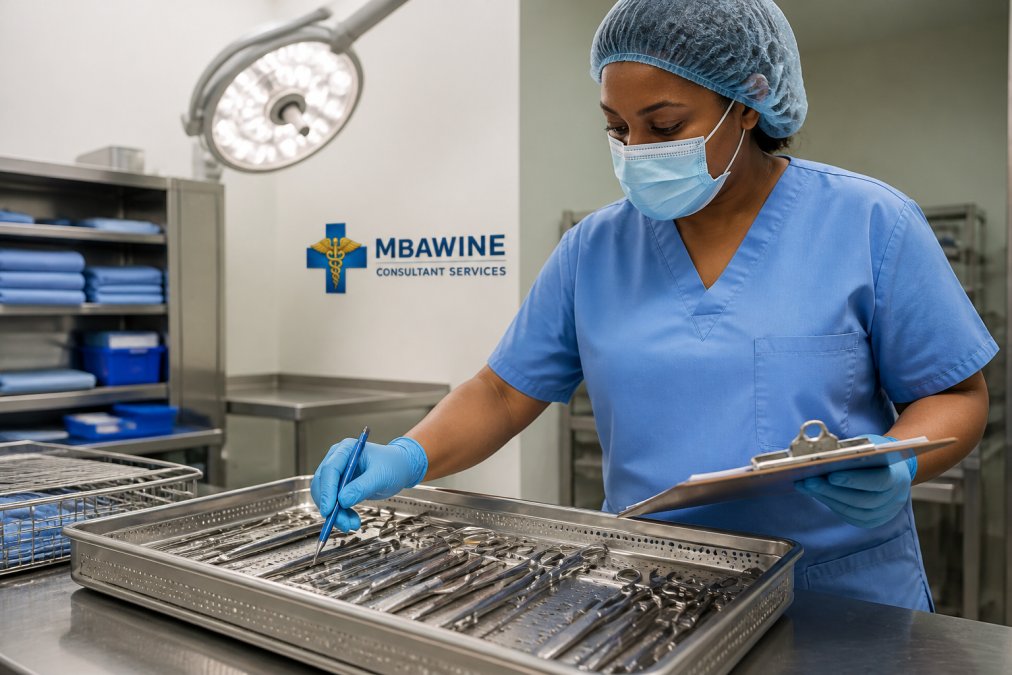
Document the journey of a surgical instrument tray from case end to OR readiness. Record timestamps for: tray departure from OR, arrival at decontamination, entry into sterilization, cycle completion, availability for pickup, and return to OR. Do this for at least 20-30 trays across different case types and times of day.
Assign someone who understands both OR and SPD operations to conduct this audit. Document not just total time, but the breakdown: decontamination time, transport time, sterilization cycle time, cooling time, assembly time, and return transport. This reveals where delays actually occur, many facilities discover trays sit in queues waiting to enter the sterilizer rather than the sterilization cycle itself being slow.
Create a simple spreadsheet capturing tray identification, case type, timestamps at each stage, and total turnaround time. This audit typically takes 2-3 weeks and forms the foundation for all improvements that follow.
Many facilities have evolved surgical instrument trays over years, with different surgeons requesting custom configurations. This customization creates chaos in sterile processing: every tray is slightly different, assembly takes longer, and instruments get lost.
Standardization means defining exactly what goes into each tray type, in what configuration, and sequence. Start with your highest-volume procedure types. Standardizing your top 5-6 procedures will impact 60-70% of surgical cases. Involve surgeons in this process, frame it as a patient safety and efficiency issue.
Document standards visually with laminated cards or digital images showing exactly where each instrument sits in the tray. Include the tray name, contents list, instrument count, sterilization method, and special handling notes. This becomes the reference guide for SPD assembly and OR pre-case verification.
Tray standardization also reduces reliance on loaner instrument sets. When you have multiple complete standard trays instead of one custom tray plus borrowed instruments, your surgical schedule becomes more reliable.
The sterile processing department is where most tray turnaround time actually happens. To improve it, you need visibility into SPD operations through metrics that connect to your overall goal.
Key metrics to track include:
Establish a dashboard displaying these metrics in real time or daily, posted visibly in SPD so technicians see how they're performing. Many facilities find that sterilization cycle time is actually fast (25-35 minutes), but total tray turnaround is 2-3 hours because trays sit waiting to be decontaminated, waiting to enter the sterilizer, or waiting to be assembled after sterilization.
A case cart system is a structured approach where all instruments and supplies needed for a specific surgical procedure are pre-assembled and ready to roll into the operating room, rather than assembling individual trays at the last minute.
Once you've standardized trays, pre-stage complete case carts for upcoming surgeries. A cart contains surgical instrument trays, sutures, sponges, drapes, and other supplies needed for that specific case, labeled with patient name, procedure type, surgeon, and scheduled time. When the OR is ready, the cart rolls in. Setup time drops dramatically because everything is already organized.
This approach reduces operating room turnover time because you're not waiting for the last instrument tray to come back from SPD. The moment the current case ends, you roll out the used cart and roll in the prepared cart. Turnover drops from 30-45 minutes to 15-20 minutes.
Case cart systems require coordination between the surgical scheduler, the OR, and SPD so that SPD knows which cases are coming and can prepare accordingly. Set clear policies: case carts are locked 2 hours before surgery.
Many facilities run a hybrid model where high-volume, standardized procedures use full case carts while lower-volume or more variable procedures use individual trays called as needed.
Tray turnaround time depends on whether the OR and SPD are actually talking to each other. Many facilities operate these departments as silos, resulting in frequent mismatches: trays aren't ready when cases start, or trays are prepared for cases that get cancelled.
Establish a daily communication protocol. The surgical scheduler should send SPD a list of tomorrow's cases by 3 p.m. each day, including procedure type, estimated case duration, surgeon, and any special instrument requests. This gives SPD time to prepare and prioritize.
Create a real-time communication channel for urgent situations. If a case is running ahead of schedule and will need a tray in 20 minutes instead of 40, the OR needs a way to alert SPD immediately through a phone line, messaging system, or dedicated liaison person.
Implement a pre-case verification process where someone from the OR verifies that the correct tray is present and all instruments are accounted for before surgery begins. Use a shared tracking system showing the status of each tray: in use, in decontamination, in sterilization, assembled and ready, or available. This gives both departments visibility to adjust scheduling accordingly.
Improving tray turnaround time ultimately depends on the people doing the work. Central sterile processing technicians are often the lowest-paid staff in a hospital, yet their work directly impacts surgical efficiency, patient safety, and surgeon satisfaction.
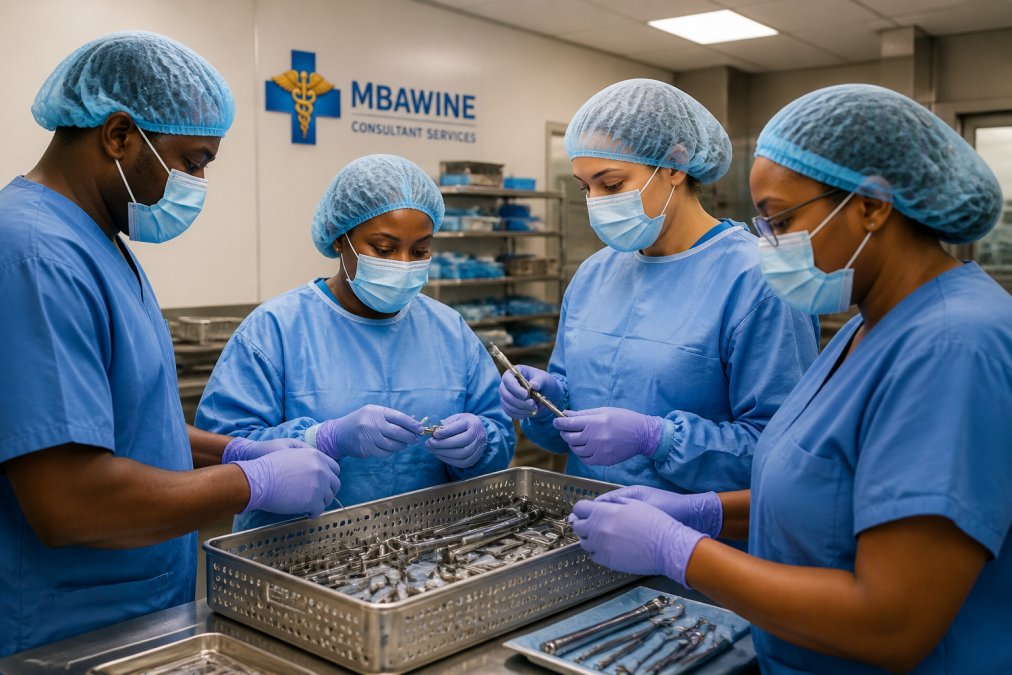
Start with foundational training explaining why tray turnaround time matters. Faster turnaround means more surgeries, which means job security, and patients get care when they need it. Provide ongoing education on new procedures, new instruments, and changes to tray standards through hands-on training.
Address burnout and staffing shortages directly. Many SPD departments are understaffed, causing technicians to work overtime and make mistakes. Temporary staffing can cover vacations, sick leave, and peak periods without requiring permanent hiring. Mbawine Consultants offers interim management and staffing solutions specifically designed for sterile processing departments.
Create a feedback loop where technicians can report problems and see that their input leads to changes. Recognize and celebrate improvements. Share the impact: "Because of your work, we added 8 surgeries last month."
Improving tray turnaround time delivers measurable financial and operational returns. If your baseline is 8 surgeries per operating room per day and you reduce average tray turnaround time by 30 minutes, you can potentially add 1-2 additional cases per room per day. Multiply that by your average surgical case revenue (typically $3,000-$5,000) and by the number of operating rooms. A facility with 5 operating rooms adding 1 additional case per room per day generates $15,000-$25,000 in additional daily revenue, or $5-$9 million annually.
When you reduce tray turnaround time through better workflows and standardization, you don't necessarily need to hire more SPD staff. Standardization and improved tray turnaround often eliminate reliance on loaner instrument sets, eliminating rental fees (typically $500-$2,000 per borrowed tray per month).
Faster surgical scheduling means patients wait less time for procedures, improving patient satisfaction scores. Reducing operating room turnover time also means less risk of surgical site infections because the OR isn't being rushed through cleaning and setup.
Sustainability gains are increasingly important to hospital leadership. Reducing tray turnaround time often means running sterilizers at higher use rates, reducing the number of sterilization cycles needed. Fewer cycles mean less energy consumption, less steam generation, and less water use.
Document your baseline metrics, improvements, and financial impact. Create a simple dashboard showing average tray turnaround time, surgical cases per operating room per day, SPD technician use rate, loaner set rental costs, sterilizer use rate, and estimated additional revenue or cost savings. Share this quarterly with hospital leadership.
If your facility is considering staffing support or educational programs to accelerate these improvements, the Association for Professionals in Infection Control and Epidemiology (APIC) provides resources and guidelines for sterile processing best practices. Additionally, The Joint Commission standards for surgical care outline requirements for sterilization and instrument management that align with tray turnaround optimization efforts.
Improving tray turnaround time is fundamentally about creating a system where surgeons can operate on schedule, patients get timely care, and your sterile processing department functions at peak efficiency. The improvements start with measurement and standardization, but they succeed only when OR and SPD leadership commit to working together and when staff feel supported. Mbawine Consultants can guide facilities through this transformation. Start with a baseline audit, standardize your highest-volume procedures, and establish clear communication between departments. The gains will follow.
| Improvement Area | Action | Expected Impact |
|---|---|---|
| Baseline Measurement | Audit tray journey for 20-30 cases | Identify where delays actually occur |
| Tray Standardization | Define standard configurations for top 5-6 procedures | Reduce assembly time by 30-40% |
| SPD Metrics | Track assembly time, use, availability rate | Drive data-driven improvements |
| Case Cart System | Pre-stage complete carts for upcoming cases | Reduce OR turnover time by 15-20 minutes |
| OR-SPD Communication | Establish daily schedule sharing and real-time alerts | Prevent mismatches and urgent delays |
| Staff Training | Provide ongoing education on standards and procedures | Improve accuracy and reduce errors |
| ROI Tracking | Calculate additional surgical volume and cost savings | Justify continued investment |
For facilities seeking expert guidance on implementing these improvements, the American Association of Central Service Professionals (AACSP) offers certification and continuing education resources that support both technical skill development and leadership training in sterile processing departments. Mbawine Consultants can provide interim management support, staff training, and educational programs to accelerate your improvement timeline, allowing you to achieve results faster while building sustainable capability within your team.
The main bottlenecks include unclear instrument tray contents causing search delays, inconsistent decontamination protocols, manual tracking systems that lack real-time visibility, inadequate communication between OR and SPD, and staff shortages during peak surgical volumes. Auditing your current workflows reveals which bottleneck affects your facility most. Many facilities discover that loaner instrument sets mask underlying tray turnaround problems rather than solving them.
Surgical instrument tray standardization eliminates variation in what goes into each tray, allowing SPD staff to assemble and sterilize trays faster and more consistently. When every orthopedic tray contains identical instruments in the same arrangement, technicians work from muscle memory rather than checking surgeon preferences for each case. This reduces assembly time by 15-30 minutes per tray and cuts the risk of missing instruments that delay surgery start times.
Track tray turnaround time (minutes from case end to tray available for next case), sterilization cycle time, tray assembly time, instrument utilization rates, and the percentage of cases that start on time. Real-time tracking systems reveal which surgical specialties have the longest lead times. Monitor staff productivity per FTE and the frequency of loaner instrument use, high loaner use signals systemic tray turnaround problems that need addressing.
Tray turnaround directly affects total OR turnover time. When trays are available faster, the OR can begin setup sooner, reducing the gap between cases. Facilities that optimize tray turnaround typically see 10-20 minute reductions in total turnover time per case, which translates to 2-4 additional cases per OR per week. This improves surgical throughput, reduces staff overtime, and increases revenue per operating room.
This article was written using GrandRanker


