

Last Updated: August 25, 2026
Interim sterile processing leadership addresses a critical gap in healthcare operations. When a central sterile processing department loses key leadership through sudden departure, extended leave, or transition, the impact cascades across surgical scheduling, instrument availability, and infection control compliance. A leadership vacuum creates regulatory exposure and operational risk that compounds daily.
Interim management solutions bring experienced clinical leaders who understand SPD operations, regulatory requirements, and the pressures of managing decontamination, sterilization, and surgical support services. The best interim leaders assess current state, stabilize operations, and identify systemic improvements within the first 30 days.
At Mbawine Consultants, we've worked with facilities ranging from small ambulatory-surgical centers to large hospital systems. Interim sterile processing leadership prevents operational collapse, maintains accreditation standards, and often reveals process improvements that outlast the engagement itself. The specific value comes down to three outcomes: continuity of critical operations, regulatory compliance assurance, and actionable insights that improve long-term performance.
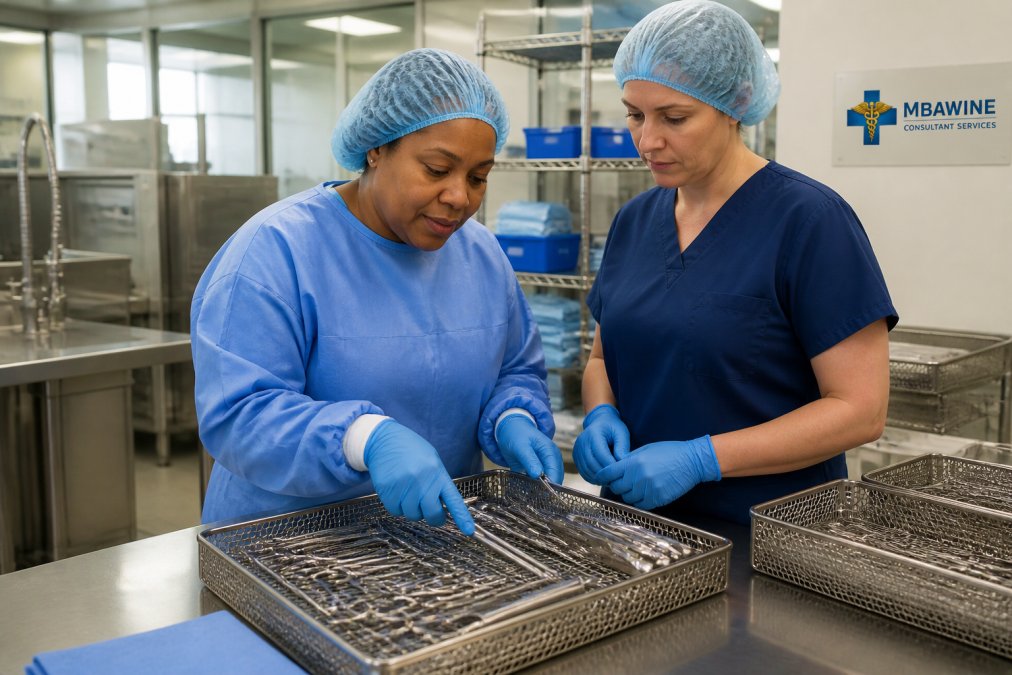
Interim management solutions fall into three primary models.
Direct interim leadership placement puts an experienced SPD manager into the department on a temporary or contract basis with full authority over day-to-day management, staff scheduling, instrument processing quality, compliance documentation, and surgical support coordination. This model works best when a facility has lost its permanent manager and needs immediate stability while recruiting a replacement. The interim leader typically spends the first week assessing current protocols, identifying compliance gaps, and communicating expectations to staff. External leaders often accelerate staff buy-in on process changes because technicians recognize the temporary nature but also see best practices from elsewhere.
Consulting-led interim oversight pairs a part-time clinical consultant with the existing SPD supervisor or assistant manager. The consultant strengthens existing leadership by reviewing protocols, auditing sterilization cycles, assessing staff competency, and providing targeted recommendations. This model suits facilities that have leadership in place but lack specific expertise. The consultant typically spends 8-16 hours per week on-site.
Staffing solutions with clinical oversight address staffing crises by bringing in temporary CRCST-certified technicians and CIS specialists under experienced supervisory oversight. This prevents temporary staff from becoming a liability rather than a solution.
Week one is assessment, not overhaul. The best interim leaders spend the first week observing, listening, and documenting current state. They review sterilization logs, watch decontamination procedures, interview staff about pain points, and identify which protocols work and which create bottlenecks. This assessment reveals quick wins (immediate fixes with minimal resistance), structural problems (changes requiring time and retraining), and compliance gaps (must be fixed immediately).
Communication to staff happens on day one. The interim leader should address the entire department with a straightforward message: why they're there, what they're here to do, and what they need from staff. Clarity builds cooperation. Staff need to know the engagement timeline and that the interim leader isn't here to replace them but to strengthen operations.
Integration with surgical services and nursing leadership matters. An interim SPD leader who doesn't connect with the OR director, surgical schedulers, and nursing leadership will struggle. The interim leader should meet with surgical leadership in week one to understand their pain points, communicate realistic capabilities, and establish regular check-ins.
Document everything. The interim leader should create a transition log capturing current protocols, identified issues, changes made, staff training completed, and compliance status. This becomes invaluable when the permanent leader arrives.
Contract length shapes the scope of work and realistic improvements.
30-day engagements are triage interventions. They work when immediate stabilization is needed, compliance issues are urgent, or a temporary crisis requires expert oversight. In 30 days, an interim leader can assess current state, document critical gaps, stabilize immediate problems, and create a roadmap for longer-term improvements. Use 30-day engagements when you need someone to hold the line while recruiting a permanent replacement.
90-day engagements are the sweet spot for most facilities. This timeframe allows thorough assessment, meaningful process improvements, staff training on new protocols, and baseline metrics for the permanent leader. A typical 90-day engagement includes: weeks 1-2 assessment and staff integration, weeks 3-8 process improvements and staff training, weeks 9-12 stabilization and knowledge transfer.
6-month and longer engagements suit situations where the facility is in transition, the permanent manager is on extended leave, or major operational restructuring is underway. Longer engagements allow more ambitious improvements: implementing new sterilization equipment, redesigning decontamination workflows, or establishing formal staff development programs.
Part-time versus full-time models depend on the severity of the gap. Full-time interim management (40+ hours per week) is appropriate when the department has lost its leader entirely. Part-time consulting (16-24 hours per week) works when the facility has an assistant manager or supervisor in place but needs expert oversight.
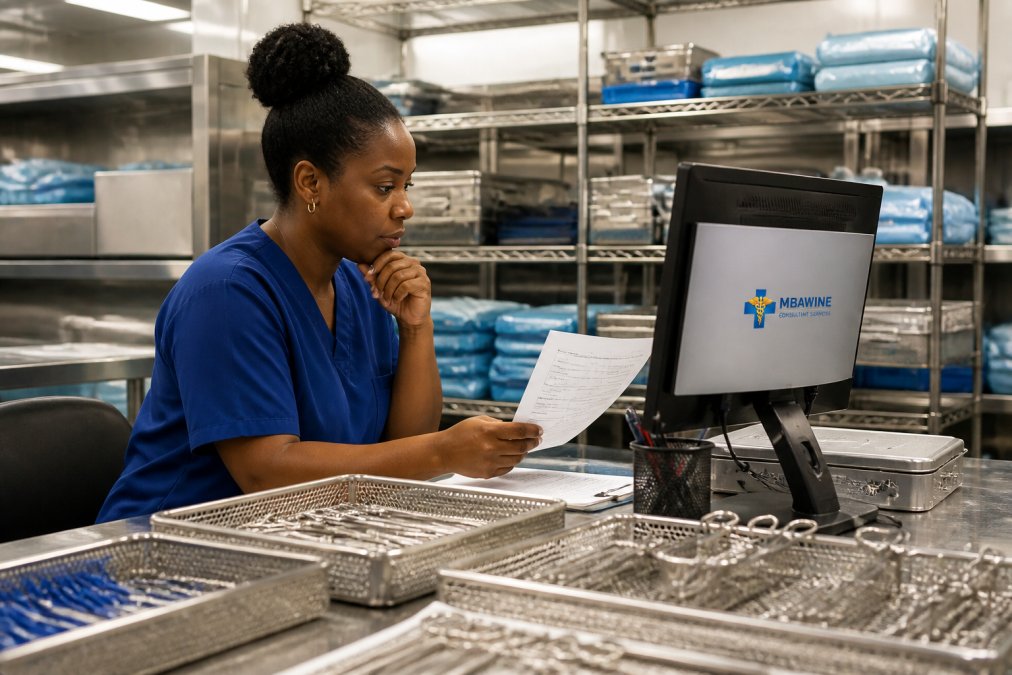
An interim leader's ability to stabilize and improve operations depends on clear visibility into current performance.
Tray turnaround time is the foundational metric. How long does it take from when a surgical tray is returned to decontamination until it's sterilized, inspected, and available for the next case? Typical targets are 24-48 hours for routine cases (aami.org). An interim leader should track this daily. If turnaround is consistently above target, the bottleneck is usually understaffing, inefficient decontamination procedures, or sterilization equipment downtime.
Sterilization cycle compliance measures whether sterilization parameters (temperature, pressure, time, humidity) are being met consistently. This comes from monitoring sterilizer logs and validating that each cycle achieved proper conditions. Non-compliance is a direct regulatory risk and patient safety issue. upholstery maintenance standards.
Staff competency and certification status should be documented. How many technicians hold current CRCST or CIS certifications? An interim leader typically finds that some staff are certified, some are working toward certification, and some lack formal credentials. Facilities with high percentages of certified staff correlate directly with better compliance outcomes and lower error rates.
Compliance audit results from internal audits, accreditation surveys, or regulatory inspections provide objective performance data. An interim leader should review the last 12-24 months of audit findings and verify whether corrective actions were actually implemented.
Staff retention and turnover during the interim engagement is a leading indicator of whether the interim leader is building trust or creating friction. Stable or improving retention suggests the interim leader is earning respect.
The best interim leaders establish a simple dashboard tracking these metrics weekly: tray turnaround average, sterilization cycles completed, compliance issues identified, and staff status.
Current CRCST or CIS certification is the baseline. An interim SPD manager should hold at least one of these credentials, understanding sterilization science, infection control principles, and regulatory requirements from direct experience.
Minimum 5-10 years of SPD experience is typical for interim leaders handling full departmental management, including time in decontamination, sterilization, and supervisory roles.
Familiarity with accreditation standards (AAMI, ANSI, CMS, state health department requirements) matters. An interim leader should know what surveyors look for and how to build compliance into daily operations.
Experience with the specific facility type is valuable but not always available. Good interim leaders adapt quickly, understanding principles and adjusting implementation to fit the environment.
Staffing solutions through interim providers should include similar credentialing standards. Temporary CRCST technicians should be current on certification, trained on facility-specific protocols, and supervised by someone who understands SPD operations.
Mbawine Consultants places interim leaders and staffing solutions with this credentialing in mind, bringing clinical expertise that translates directly to better outcomes.
Regulatory risk reduction is the first benefit. A leadership gap creates compliance exposure: sterilization logs may not be completed correctly, staff may not follow decontamination protocols consistently, equipment maintenance may be deferred. An accreditation survey during a leadership gap often reveals deficiencies resulting in citations. Interim leadership prevents this. The financial and reputational cost of accreditation citations far exceeds the cost of interim leadership.
Operational efficiency gains typically emerge within 60-90 days. Common improvements include reduced tray turnaround time (increasing surgical capacity), fewer sterilization cycle failures (reducing waste), and better staff scheduling (reducing overtime). These improvements often persist after the interim leader departs because they're built into new protocols and staff expectations.
Staff stability and retention during an interim engagement prevents the compounding effect of turnover. When a department loses its leader and morale drops, technicians start looking elsewhere. An interim leader who stabilizes the environment and shows respect for the team can reverse this trend.
Knowledge transfer to the permanent leader accelerates their ramp-up time by weeks or months. Rather than spending the first 90 days figuring out what's broken, the permanent leader can focus on the next wave of improvements.
Regulatory compliance assurance is documented. The interim leader creates compliance records, audit documentation, and staff training logs demonstrating the facility actively managed sterilization standards throughout the transition.
Facilities consistently report that the operational and compliance benefits of interim leadership exceed the cost.
Knowledge transfer documentation should be comprehensive, including existing protocols and their effectiveness, identified compliance gaps and corrective actions taken, staff competency assessment, equipment maintenance status and upcoming needs, metrics baseline and trends observed, and recommendations for the permanent leader.
Staff relationship continuity matters. The interim leader should introduce the permanent leader to the team, acknowledge improvements made together, and position the permanent leader as the next chapter rather than a reset.
Metrics handoff ensures the permanent leader knows what baseline to expect and what improvements to maintain. If the interim leader brought tray turnaround from 48 to 36 hours, that's now the standard.
Phased withdrawal for consulting-led interim engagements allows the external consultant to step back gradually. A consultant might shift from weekly on-site visits to biweekly, then monthly check-ins over 4-6 weeks, giving the permanent leader time to establish their own rhythm while having expert support available.
Interim sterile processing leadership is a critical operational safeguard for healthcare facilities facing leadership gaps. The right interim leader can stabilize operations, ensure regulatory compliance, and often improve performance in ways that persist long after the engagement ends.
The key is choosing an interim leader with deep SPD expertise, clear clinical credentials, and a track record of building trust with staff. Mbawine Consultants specializes in placing interim leaders and staffing solutions with exactly this profile, clinically experienced professionals who understand sterilization science, regulatory requirements, and the specific pressures of surgical support services. [Learn more about interim leadership qualifications(/blog/sterile-processing-leadership-career-path-guide) and best practices from the Association for Professionals in Infection Control and Epidemiology | apic.org] to understand industry standards for SPD oversight.
When you're ready to stabilize your sterile processing department with expert interim leadership, the Centers for Medicare & Medicaid Services provides guidance on compliance standards for surgical services that your interim leader will ensure you meet. Mbawine Consultants can help you assess your needs, identify the right engagement model, and place a leader who delivers measurable results. Enroll in a consultation to discuss your specific situation and explore how interim sterile processing leadership can strengthen your operations.
A: An interim sterile processing manager oversees day-to-day operations of the SPD, including decontamination, sterilization, and instrument processing workflows. They supervise staff scheduling, ensure regulatory compliance with accreditation standards, manage tray turnaround times, and implement quality assurance protocols. They also identify process improvement opportunities and provide clinical leadership oversight to stabilize hospital performance during transitions or staffing gaps.
A: Interim sterile processing manager engagements vary based on facility needs. Short-term contracts (30-90 days) address immediate staffing gaps or crisis management. Medium-term engagements (3-6 months) support operational assessments and process improvement initiatives. Longer placements (6-12 months) handle leadership transitions or comprehensive departmental restructuring. Contract length depends on your facility's specific challenges and recovery timeline.
A: Interim leadership focuses on strategic oversight, clinical operations management, and expertise gaps at the supervisory level. Temporary staffing fills technical positions like CRCST technicians who handle decontamination and sterilization tasks. Interim leaders develop staff scheduling strategies, manage compliance, conduct training, and drive supply chain improvements. Temporary staff execute those operations under leadership direction. Together, they stabilize both management and technical performance.
A: Interim leaders conduct clinical consulting assessments to identify workflow bottlenecks and regulatory compliance gaps. They implement process improvement initiatives that reduce tray turnaround times, optimize instrument processing schedules, and enhance infection control protocols. They also establish KPIs for interim success, train existing staff on best practices, and create sustainable operational frameworks. Many facilities see measurable gains in quality assurance and staff retention after interim engagements.
A: Seek leaders with current CRCST or CIS certifications and documented experience in perioperative services and surgical support. Verify expertise in regulatory compliance, accreditation standards, and SPD management. Look for evidence of clinical leadership in complex healthcare settings, particularly experience with process improvement and staff development. Highly credentialed experts bring both technical knowledge and executive placement experience.
This article was written using GrandRanker


