

Last Updated: August 20, 2026
Understanding interim sterile processing management costs requires looking beyond hourly rates. Organizations bringing in interim leadership face a multi-layered cost model including manager compensation, staffing solutions, operational improvements, and infrastructure adjustments.
True expense depends on facility size, contract duration, scope of responsibilities, and whether the engagement includes temporary technician staffing or leadership oversight alone. A 50-bed ambulatory surgical facility has fundamentally different needs than a 400-bed hospital system.
What separates smart procurement from budget overruns is understanding what's included in service fees. Many facilities assume they're paying for a manager's time alone. Comprehensive interim management actually encompasses needs assessment, protocol development, infection control compliance review, staff training, and often temporary workforce solutions.
According to The Association for the Advancement of Medical Instrumentation (AAMI) standards for sterile processing, interim management engagements often address regulatory compliance gaps that permanent staff may have overlooked.
Interim manager compensation varies based on experience level, certification status, and geographic demand. A Certified Healthcare Leader (CHL) with sterile processing expertise commands different rates than a newly promoted technician.
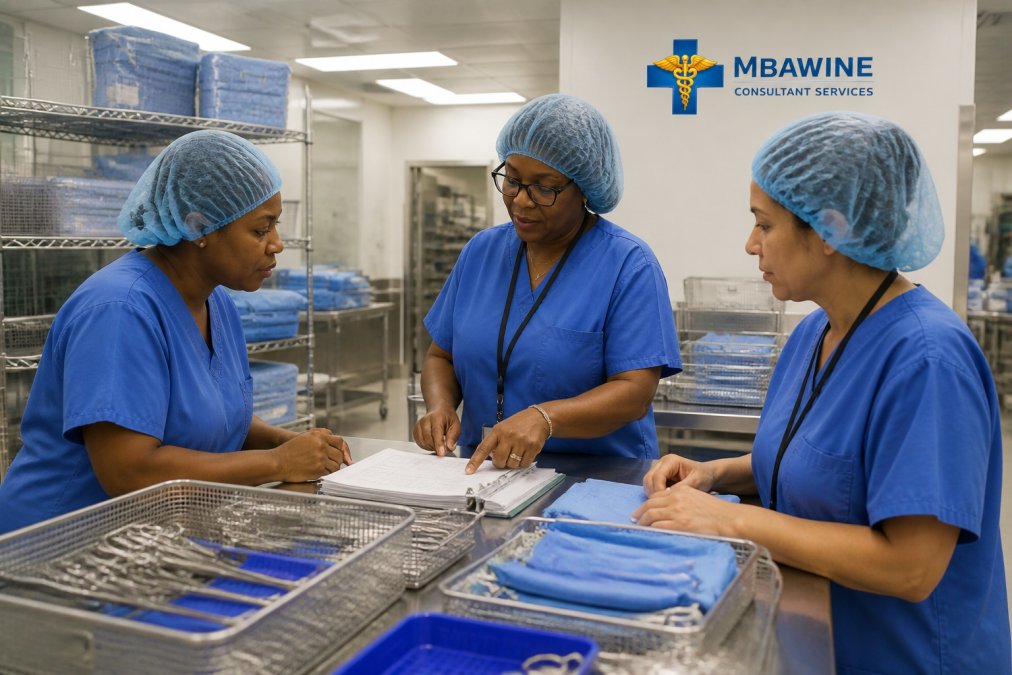
Most interim management firms structure compensation as hourly rates for short-term engagements or weekly/monthly fees for extended assignments. Managers with current CRCST (Certified Registered Central Service Technician) certification or CHL credentials command premium rates due to dual expertise in technical operations and administrative leadership.
Contract duration affects pricing. A 30-day emergency stabilization may carry a higher daily rate than a 6-month planned transition. Shorter commitments cost more per day because staffing firms absorb greater overhead risk.
Weekly compensation models work better for 8-12 week engagements, allowing flexibility if assignments extend or conclude early while simplifying budget forecasting.
The decision between interim sterile processing management and recruiting permanent leadership involves more than comparing annual salary figures. Total cost of ownership includes recruitment expenses, training time, benefits, and operational risk of an unfilled position.
Permanent hiring requires investment in recruiting, advertising, background checks, and credentialing verification, often leaving a 4-8 week vacancy. During that gap, existing staff absorbs extra duties or the facility contracts temporary support anyway. A permanent hire earning $75,000-95,000 annually also carries benefits costs (health insurance, retirement contributions, workers' compensation) adding 25-35% to base salary.
Interim management compresses the timeline. A qualified interim manager can begin within days, stabilize operations immediately, and address urgent compliance or staffing issues while the facility recruits permanent leadership.
An interim manager costs more per week than a permanent employee's weekly salary, but the engagement is time-limited. A 12-week interim assignment typically costs less than the combination of 8 weeks of vacancy, recruitment fees, and onboarding time for a permanent hire.
Operational efficiency gains during interim management often offset higher daily rates. A skilled interim manager can implement workflow improvements, reduce instrument turnaround time, or resolve compliance issues that generate measurable cost savings persisting after the engagement ends.
If you need leadership immediately and have 60-90 days to recruit, interim management is economically sensible. If you're planning 12+ months ahead, permanent hiring becomes the better investment.
Beyond interim manager compensation, many facilities contract with staffing agencies for temporary technician support. These fee structures operate separately from management fees and directly impact departmental labor budgets.
Staffing agencies typically charge a markup on hourly technician wages. The agency pays the technician a base rate and charges the facility a higher rate, with the difference covering recruitment, payroll processing, liability insurance, and overhead. This markup usually ranges from 25-40% above the technician's actual pay, though specialized skills may carry higher markups.
Some agencies structure fees as placement fees rather than ongoing hourly markups. A facility pays a one-time fee to place a temporary technician, then the technician works directly for the facility at standard wages. This model works for placements lasting 8+ weeks. For shorter assignments, hourly markup models are more common.
Contract terms matter significantly. A facility guaranteeing 40 hours per week for 12 weeks receives better rates than requesting on-call coverage for unpredictable shifts.
Minimum hour commitments are standard. Most agencies require a minimum weekly or monthly hour commitment to justify administrative overhead. A facility requesting 10 hours per week across multiple shifts may face higher per-hour costs than one committing to 30+ hours weekly.
Comprehensive interim sterile processing management encompasses more than a manager's salary. Understanding what's bundled into service fees prevents surprise costs and clarifies value.
Core management services typically include departmental assessment, identification of operational gaps, staff training needs analysis, and protocol review against current standards. Many engagements include compliance auditing, reviewing current practices against OSHA bloodborne pathogen standards and sterilization regulations and identifying gaps in infection control, documentation, or equipment maintenance.
Staff training and development are frequently included. An interim manager may conduct in-house training on proper instrument handling, sterilization cycles, or new equipment operation. Some interim management contracts include temporary staffing solutions to stabilize operations while permanent recruitment proceeds.
Technology implementation support is sometimes part of the engagement. If the facility is deploying new sterilization tracking software or upgrading to automated instrument counting systems, the interim manager may oversee implementation and staff training.
Transition planning is a critical component. As the interim engagement concludes, a quality interim manager documents processes, trains the incoming permanent leader, and ensures operational continuity.
Mbawine Consultants emphasizes comprehensive surgical support services and needs assessment, meaning their interim management engagements typically include detailed operational analysis alongside day-to-day leadership, addressing root causes rather than surface-level issues.
Choosing the right interim manager determines whether the engagement stabilizes your department or creates additional disruption. Selection criteria extend beyond credentials and experience.
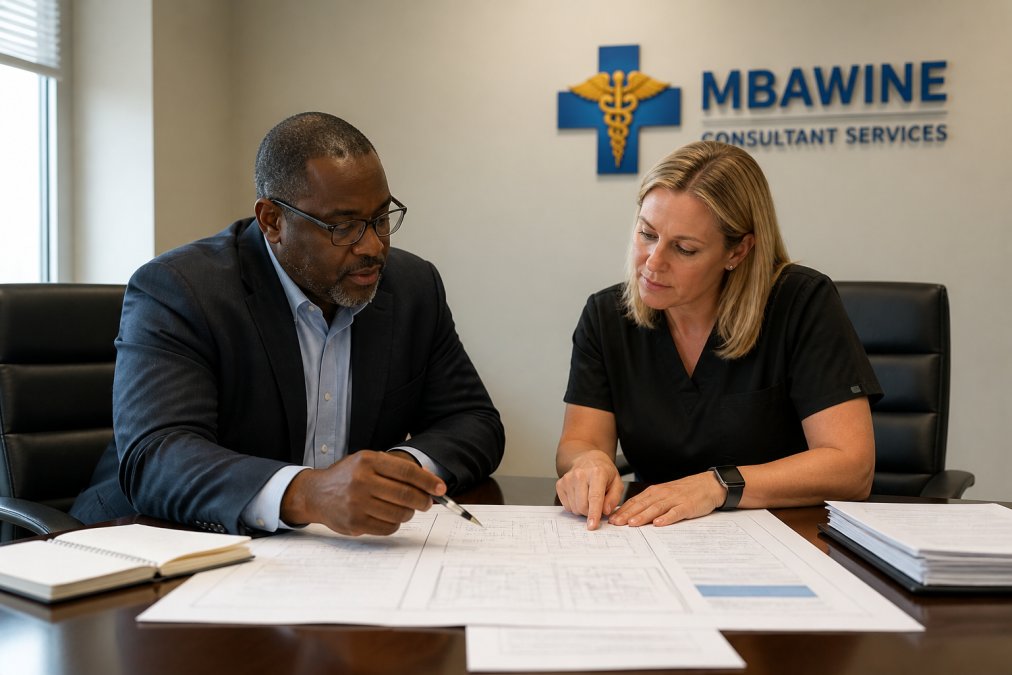
Certification status matters. A manager holding CRCST certification demonstrates technical knowledge of sterilization processes. A CHL certification indicates formal training in healthcare management principles. The combination signals someone who understands both technical and administrative sides of sterile processing leadership.
Relevant experience in your facility type is critical. Managing a 50-bed ambulatory surgical center requires different skills than overseeing a 400-bed hospital's central sterile supply. Ask candidates about experience with facilities of similar size and complexity.
Specific expertise in areas your department needs is essential. If compliance is your primary concern, select a manager with a track record in regulatory auditing and remediation. If you're implementing new equipment, prioritize experience with that specific system. If staffing turnover is the issue, choose someone skilled in workforce stabilization and training.
Cultural fit matters more than many facilities acknowledge. An interim manager who arrives with a punitive approach may improve documentation temporarily but damage staff morale permanently. Look for managers who combine accountability with coaching and support.
References from previous interim engagements reveal patterns. Ask specifically about scope creep, timeline adherence, and whether improvements persisted after departure.
Communication style matters. Your interim manager will work closely with permanent staff who may feel threatened by external oversight. A manager who communicates clearly, explains decisions, and solicits input typically faces less resistance.
Calculating true cost requires accounting for direct fees, indirect costs, and measurable benefits or savings.
Direct costs include the interim manager's compensation, staffing agency markups for temporary technicians if included, and any travel or relocation expenses. These are straightforward line items.
Indirect costs are often overlooked. Permanent staff time spent training the interim manager on facility-specific processes, equipment, and preferences represents real cost. Facility leadership time spent in meetings, debriefing, and decision-making also carries implicit cost.
Measurable benefits offset these costs. Improved instrument turnaround time reduces surgical delays and increases facility throughput. Better compliance documentation prevents regulatory citations and associated fines. Reduced staff turnover during and after the interim period saves recruitment and training costs for replacement technicians.
A realistic total cost of ownership calculation might look like this for a mid-sized facility:
| Cost Category | Estimate |
|---|---|
| Interim Manager Compensation (12 weeks) | Variable by rate and hours |
| Temporary Technician Staffing Markup | Variable by hours needed |
| Indirect Staff Time (training, meetings) | Estimated at 40-60 hours |
| Travel/Relocation (if applicable) | $0-5,000 |
| Measurable Operational Savings | Estimated 15-25% reduction in overtime, improved throughput |
| Compliance Remediation Value | Prevention of potential citations and fines |
The engagement becomes cost-neutral or positive when operational improvements generate measurable savings that persist beyond the interim period.
Many facilities underestimate the value of stabilization during transition periods. An interim manager who prevents staff departures during a permanent leadership search has already paid for themselves by avoiding recruitment and training costs for replacement technicians.
Mbawine Consultants approaches interim management with emphasis on sustainable improvement. Their engagement model includes needs assessment and staff development, which means the value created during the interim period often extends well beyond the contract end date.
Interim sterile processing management services pricing reflects the complexity and value of the engagement. Direct compensation is only part of the equation. Comprehensive interim management that includes compliance assessment, staff training, operational optimization, and transition planning delivers measurable value extending beyond the contract period.
The most cost-effective approach is clarity upfront. Define your facility's specific needs, establish success metrics, and select an interim manager whose expertise directly addresses those priorities. This focused engagement prevents scope creep, ensures accountability, and maximizes the return on your investment in interim leadership.
For facilities seeking comprehensive support that combines interim management with professional development and certification preparation, Mbawine Consultants offers surgical support services and specialized education designed to stabilize operations while building permanent staff capability. Their emphasis on credentialed expertise and flexible remote learning options aligns with the practical realities of sterile processing departments managing both immediate operational needs and long-term workforce development.
Interim sterile processing management pricing depends on contract length, facility size, scope of responsibilities, and the specific expertise required. Larger facilities with complex surgical volumes typically pay more than smaller ambulatory-surgical centers. Additional factors include whether the interim manager handles staffing solutions, training, compliance audits, or operational efficiency improvements. Duration matters significantly, shorter assignments often cost more per week than extended contracts. Certification level, perioperative leadership experience, and specialized knowledge in infection control also affect pricing.
The choice depends on your facility's timeline and budget. Interim management works best for short-term gaps, crisis staffing, or specialized projects like compliance remediation. Permanent hires cost less long-term but require recruitment, onboarding, benefits, and ongoing salary commitment. Interim solutions eliminate recruitment costs and provide immediate expertise without long-term financial obligation. For facilities facing temporary leadership vacancies or needing expert guidance on operational efficiency, interim management often delivers faster results and lower total cost of ownership than hiring permanent staff and training them from scratch.
Staffing agency fee structures typically use hourly rates, weekly contracts, or monthly retainers. Hourly rates for interim management in sterile processing range based on certification, experience, and market demand. Some agencies charge markup percentages on top of the technician's base rate, while others use flat fees for specific deliverables. Contract labor models often include benefits administration, payroll, and liability coverage in the fee. Transparent providers itemize costs separately, wages, administrative fees, benefits allocation, so facilities understand what they're paying for. Always request detailed breakdowns before committing.
Comprehensive interim management services typically include staffing solutions, operational assessments, staff training, compliance audits, and quality assurance oversight. Fees may cover instrument assembly supervision, decontamination protocol review, accreditation standards verification, and departmental throughput optimization. Some providers include transition and onboarding framework support to stabilize your workforce and reduce turnover rates. Professional development guidance, perioperative leadership mentoring, and regulatory compliance documentation are often included. Clarify exactly what's covered in your contract, some providers charge separately for training, certification prep, or ongoing consulting beyond the core interim management role.
This article was written using GrandRanker


