

Last Updated: September 28, 2026
CRCST certification is the Certified Registered Central Service Technician credential from the Healthcare Sterile Processing Association (HSPA), and it is the credential most hospitals look at first when hiring sterile processing staff. For new techs, it does three things: it proves you know instrument decontamination and sterilization standards, it opens doors that on-the-job training alone often leaves shut, and it usually comes with a pay bump.
The same question keeps coming up: is CRCST certification worth it for new techs, or is it just an expensive piece of paper? The honest answer depends on where you work, how fast you want to move up, and who is paying.
Here is what most guides get wrong. They treat certification as a single decision. It is not. It is a stack of small decisions about timing, cost, and your state's rules.
HSPA's CRCST certification overview
That is the theory.
The core requirement for CRCST certification is a high school diploma or equivalent, plus completion of a training program or relevant coursework. You also need hands-on experience before the credential is fully awarded.
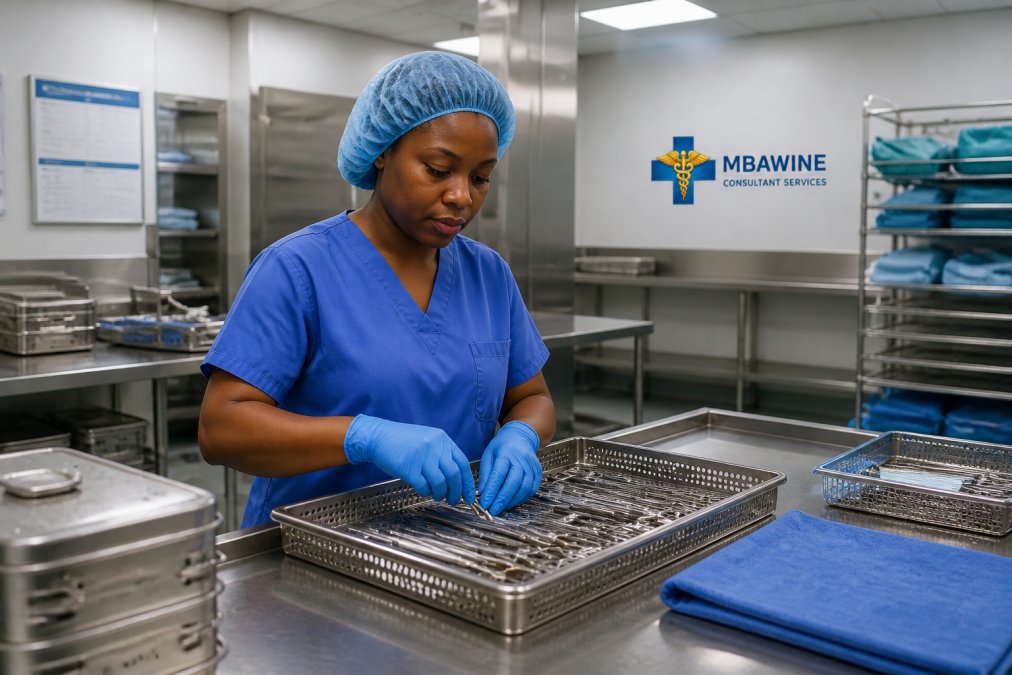
The sterile processing certification requirements break into three buckets:
The 400 hours of experience is the single biggest barrier new techs hit, and forums are full of people asking how to get it. Here is the practical breakdown.
This is the question most guides dodge. If no hospital will hire you without experience, and you cannot get experience without being hired, you are stuck in a loop. Here is how new techs actually break it.
A typical full-time schedule of five 8-hour shifts per week puts you at 40 hours a week. At that pace, 400 hours lands around the 10-week mark. If you work three 12-hour shifts, you are at 36 hours a week and closer to 11 weeks. Part-time at 20 hours a week stretches it to roughly 20 weeks, about five months.
Study strategies that actually work:
So you pass. What does that actually change on your paycheck?
Certified techs generally earn more than uncertified techs in the same department, and the gap widens with experience and shift differentials. Exact figures vary by region, facility type, and union status, so check your local market rather than trusting a national average.
What moves the needle most:
Certification wins for hospital hiring requirements, and it is not close. Many facilities now list CRCST certification as a preferred or required qualification, and some states mandate it outright.
Here is the honest trade-off:
| Path | Time to Hire | Portability | Pay Ceiling |
|---|---|---|---|
| Certification first | Slower start | High | Higher |
| On-the-job training only | Faster start | Low | Lower |
| Both together | Moderate | Highest | Highest |
Which brings us to the money question.
Most guides tell you to "ask your employer." That is not advice, it is a shrug. Here is what the money actually looks like and how to get someone else to pay it.
The total out-of-pocket cost for a new tech usually stacks up across four line items:
Reimbursement programs vary widely, but most fall into one of four shapes:
| Program type | What it usually covers | Catch |
|---|---|---|
| Full reimbursement | Exam fee, materials, renewal | Often requires a retention commitment |
| Partial reimbursement | Exam fee only | You cover materials and prep |
| Tuition assistance | Training program tuition | Usually capped per year |
| Upfront payment | Facility pays the vendor directly | Rare; usually for internal promotions |
Do not walk into HR and ask "do you reimburse certification?" That question gets a yes-or-no answer and the conversation ends. Instead, ask these specific questions in this order:
If your employer will not pay, look for programs with flexible payment terms before you commit.
State rules are the angle most guides skip, and they matter more than most new techs realize. A handful of states require certification to work in sterile processing at all, while others leave it to the employer. That means the value of CRCST certification can swing sharply depending on where you live.
The decision comes down to three things: your state's rules, your employer's reimbursement policy, and how far you want to go. For most new techs, the credential pays for itself through job security, a higher pay scale, and a clearer career trajectory.
For most new techs, yes. Sterile processing is an entry-level healthcare career with steady hospital demand, predictable schedules, and a clear path to advancement. The CRCST certification is the industry standard credential that employers look for when hiring. It signals you understand instrument decontamination, infection control, and regulatory compliance. The main trade-off is the 400-hour work experience requirement and exam prep time, but the payoff is job security and a defined career trajectory.
The CRCST exam covers sterile processing, surgical instrumentation, decontamination, and infection control. Pass rates vary by candidate and preparation method, but most candidates who complete a structured prep program and study consistently pass on the first attempt. The exam is not designed to trick you, but it does require hands-on familiarity with instruments and workflows. Audio and video modules, plus practice questions, help new techs connect textbook concepts to the floor.
Yes. Certified techs typically earn more than uncertified peers in the same facility. The sterile processing technician salary range depends on location, shift differentials, and experience, but certification often qualifies you for a salary bump and makes you eligible for lead or coordinator roles. Employers also use certification as a screening filter, so it can open doors to higher-paying hospital systems and ambulatory-surgical facilities that require the credential.
Most new techs finish in six to twelve months. The timeline depends on how quickly you complete the 400 hours of hands-on work experience, which is a certification requirement. Some candidates complete clinical hours during a training program; others accumulate them while working in a sterile processing department. Exam prep can be done in parallel through remote learning. Once you pass, certification maintenance requires continuing education credits to keep the credential active.


