

Last Updated: October 10, 2026
New Jersey is a state in the northeastern United States, situated on the Atlantic coast between New York and Pennsylvania. The state covers approximately 8,700 square miles and ranks as the most densely populated state in the nation. Despite its small geographic footprint, New Jersey plays an outsized role in American commerce, culture, and history. Understanding New Jersey's position and characteristics is essential for anyone studying the region or planning to work in healthcare administration across the Mid-Atlantic.
The state's strategic location has shaped its identity for centuries. New Jersey borders the Hudson River to the east, Delaware Bay to the south, and the Atlantic Ocean to the southeast. This geographic positioning made it a critical battleground during the American Revolution and continues to influence its economic importance today. The state capital is Trenton, while Newark and Jersey City serve as major commercial and cultural hubs.
New Jersey's compact size belies its significance. The state is home to over 9 million residents and serves as a vital corridor connecting major metropolitan areas. For healthcare professionals and facility administrators, understanding New Jersey's geography and infrastructure is crucial for career planning and operational management.
New Jersey divides into distinct geographic regions, each with unique characteristics. The northern region features the Appalachian Mountains and dense forests, while the central area encompasses the state's most densely populated urban corridor. The southern Pine Barrens represent one of the largest protected wilderness areas in the eastern United States, covering roughly 1.1 million acres.
The state's landscape ranges from coastal marshlands and barrier islands to inland forests and farmland. The Delaware River forms the western boundary and has historically served as a vital transportation and trade route. The Hudson River to the east connects New Jersey directly to the New York metropolitan area, creating an integrated regional economy.
New Jersey's geography supports diverse industries and healthcare infrastructure. The state contains numerous hospitals, ambulatory surgical centers, and medical facilities distributed across urban, suburban, and rural areas. For sterile processing professionals and facility managers, this geographic diversity means varying operational challenges and staffing needs depending on location.
New Jersey's history stretches back to indigenous Lenape peoples who inhabited the region for thousands of years before European contact. Dutch and English colonists arrived in the early 1600s, establishing settlements and establishing trade networks. The state was named after the Isle of Jersey in the English Channel.
The American Revolution transformed New Jersey into a battleground. General George Washington crossed the Delaware River in 1776, launching the surprise attack at Trenton that became a turning point in the war. New Jersey's strategic location meant the state experienced numerous battles and military campaigns throughout the conflict, earning it the nickname "The Crossroads of the Revolution."
The industrial revolution of the 19th and early 20th centuries transformed New Jersey into a manufacturing powerhouse. Factories, refineries, and mills clustered throughout the state, particularly in cities like Newark, Jersey City, and Paterson. This industrial heritage shaped the state's infrastructure and continues to influence its economy and workforce demographics today.
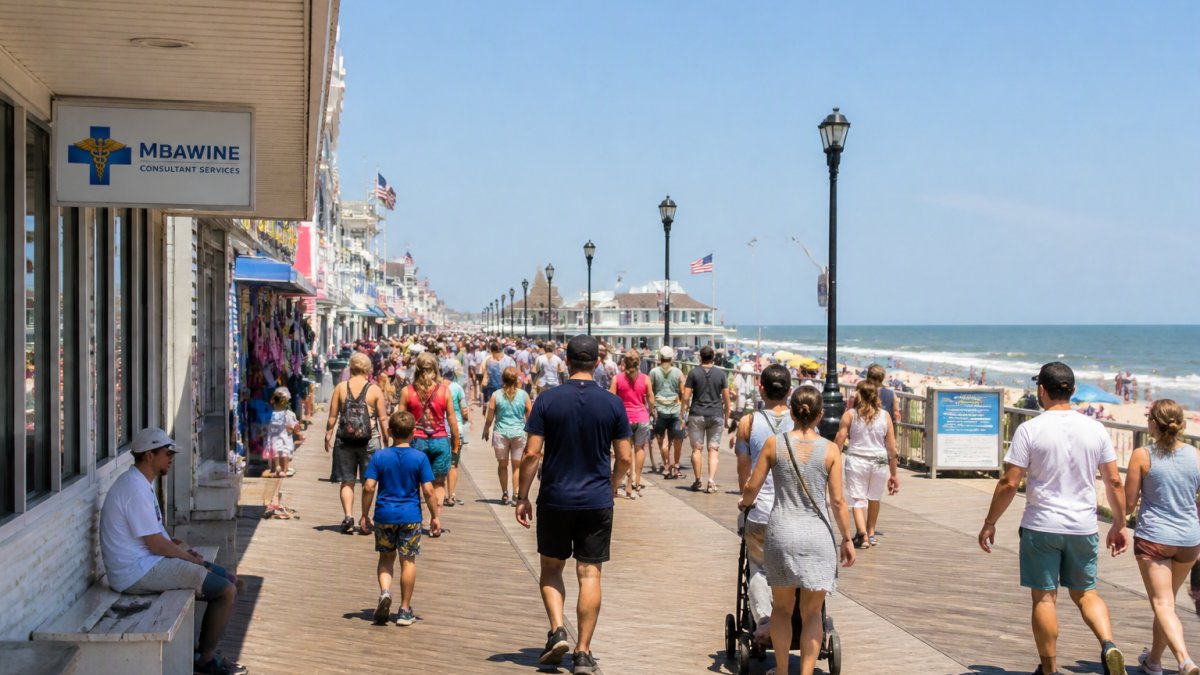
New Jersey offers diverse attractions spanning beaches, cultural institutions, and natural areas. The Jersey Shore, stretching over 100 miles of Atlantic coastline, draws millions of visitors annually to boardwalks, beaches, and amusement parks. Atlantic City's boardwalk and casino district represent one of the nation's premier entertainment destinations.
Beyond the shore, New Jersey contains numerous cultural attractions. The state boasts world-class museums, performing arts venues, and historic sites. The Liberty Science Center in Jersey City offers interactive exhibits exploring science and technology. Historic sites like Washington's Crossing and Morristown National Historical Park commemorate New War significance.
For nature enthusiasts, the Pine Barrens offer hiking, camping, and wildlife viewing opportunities. The Delaware Water Gap National Recreation Area provides outdoor activities along the state's western border. These natural attractions complement urban cultural experiences, making New Jersey a multifaceted destination for tourism and recreation.
New Jersey and New York share geographic proximity and economic integration, yet maintain distinct identities. New York dominates global finance, media, and culture through Manhattan's concentrated influence. New Jersey, by contrast, functions more as a distributed economic engine with manufacturing, pharmaceuticals, and logistics spread throughout the state.
Population density differs significantly between the states. New Jersey ranks as the most densely populated state nationally, while New York's density concentrates heavily in New York City with more varied patterns elsewhere. This affects housing costs, commuting patterns, and quality of life considerations for residents and workers.
The states' regulatory environments and tax structures create different business climates. New York's income tax rates and regulations differ from New Jersey's approach, influencing where companies locate operations and where professionals choose to work. For healthcare facility administrators and sterile processing departments, understanding these differences helps with budgeting, staffing recruitment, and operational planning across state lines.
Cultural identity also distinguishes the states. New York projects global influence through media and finance, while New Jersey develops identity around suburban living, industrial heritage, and regional commerce. Both states contribute significantly to the broader Mid-Atlantic region's economic and cultural landscape.
New Jersey's economy ranks among the nation's largest, driven by pharmaceuticals, petrochemicals, telecommunications, and financial services. The state hosts headquarters for numerous Fortune 500 companies and serves as a logistics hub connecting the Northeast Corridor. This economic strength supports extensive healthcare infrastructure, creating substantial demand for skilled sterile processing professionals and facility management expertise.
The pharmaceutical industry particularly shapes New Jersey's economic identity. The state leads the nation in pharmaceutical manufacturing and research, with major companies operating facilities throughout the state. This concentration of life sciences activity creates specialized healthcare needs and opportunities for professionals with advanced sterile processing certifications and clinical expertise.
New Jersey's cultural contributions extend beyond economics. The state has produced influential musicians, writers, and artists who shaped American culture. From Bruce Springsteen to Philip Roth, New Jersey creatives have achieved national prominence. This cultural vitality reflects the state's diverse population and communities.
The state's transportation infrastructure, including Newark Airport, numerous ports, and the Northeast Corridor rail line, positions it as a critical economic node. For healthcare organizations, this connectivity facilitates recruitment of talent and access to specialized services and supplies essential for sterile processing operations.
New Jersey's transportation network supports both residents and visitors. The state contains an extensive highway system, including the New Jersey Turnpike and Garden State Parkway, connecting major population centers. Public transportation through NJ Transit provides bus and rail service throughout the state and into neighboring regions.
Newark Airport serves as a major hub for regional and national air travel. The state's proximity to New York City means many residents and visitors use Penn Station and other regional rail connections. For professionals traveling to healthcare facilities or attending continuing education programs, understanding transportation options is essential.
Planning visits or relocations to New Jersey requires considering regional variations. Northern areas offer proximity to New York City and access to cultural institutions. Central New Jersey contains suburban communities and major medical centers. Southern coastal areas attract tourism and recreation-focused visitors. Each region presents different opportunities and considerations for healthcare professionals managing sterile processing departments or pursuing advanced certifications.
For facility administrators evaluating interim management services or staffing solutions, New Jersey's geographic diversity means solutions must account for regional differences in facility size, patient volume, and operational complexity. Understanding the state's geography and infrastructure helps optimize resource allocation and recruitment strategies across different facility types and locations.
New Jersey's strategic position, economic significance, and healthcare infrastructure make it essential to understand for professionals in sterile processing and facility management. Whether you're managing a central sterile processing department, seeking advanced certifications like CRCST or CIS, or evaluating interim management solutions, New Jersey's unique characteristics shape your operational landscape. At Mbawine Consultants, we specialize in sterile processing education and facility management expertise. Our highly credentialed experts deliver flexible remote learning options, advanced certification preparation, and interim staffing solutions. Enroll with Mbawine Consultants and transform your sterile processing operations with professional expertise and comprehensive support.
No. New Jersey is a separate state with its own government, laws, and identity. While some northern parts of New Jersey are close to New York City and many residents work in NYC, the state operates independently. The Hudson River forms the border between New Jersey and New York.
New Jersey is known for its diverse economy, pharmaceutical and tech industries, coastal beaches, and the Jersey Shore. The state has significant historical importance as a Revolutionary War battleground and played a key role in American industrial development. It's also recognized for its proximity to major metropolitan areas and its contributions to American culture and commerce.
Trenton is the capital of New Jersey. Located in the central part of the state along the Delaware River, Trenton serves as the seat of state government. The city has deep historical roots, including its role in the American Revolution and as an important industrial center during the 19th and 20th centuries.
New Jersey and New York are separate states with distinct governments, cultures, and economies. New Jersey is smaller in area but more densely populated. While New York is known for New York City, New Jersey has a more diverse geography including beaches, farmland, and suburban communities. The two states have different tax systems, regulations, and legal frameworks, though many people live in one state and work in the other.


