

Last Updated: October 15, 2026
A sterile processing certification class is a structured training program that prepares you to clean, sterilize, assemble, and track the surgical instruments that hospitals and surgery centers depend on every day. At Mbawine Consultants, we've built our CRCST and CIS preparation around the topics that actually appear on the exam, not the ones that just fill a syllabus. The work itself is high-stakes: one contaminated tray can put a patient at risk, so the training has to be precise.
The core of any credible program comes down to three skill areas: decontamination, sterilization, and instrument handling. Get those right and the certification exam becomes a test of what you already do on the floor.
Decontamination is the first and most dangerous stage. You learn to sort instruments, handle sharps safely, and operate washer-disinfectors without spreading contaminants to clean areas.
Sterilization covers the methods themselves. Steam autoclaves, hydrogen peroxide plasma, and ethylene oxide each demand different cycles, temperatures, and monitoring. You'll study how to read biological indicators and chemical indicators so you can prove a load is safe to release.
Instrument handling is where a lot of new technicians get tripped up. The job is knowing how each instrument comes apart, how it goes back together, and how it's packaged so it survives the sterilizer and reaches the operating room sterile.
A solid class also covers:
New York does not license sterile processing technicians through a state board, but most employers require certification from a nationally recognized body, and that expectation has tightened in recent years. The requirements you'll encounter for a sterile processing certification in New York usually come from the employer and the accrediting organization, not the state itself.
In practice, that means you'll typically need:
Facilities accredited by The Joint Commission are held to strict reprocessing standards, which is why hiring managers in the state lean toward certified candidates. If you're already working on the floor without a credential, you're not disqualified, but you are competing against people who have one.
The biggest barrier for working technicians isn't the material, it's the schedule. Twelve-hour shifts, rotating weekends, and on-call rotations leave little room for a traditional classroom course. That's the problem remote prep was built to solve.
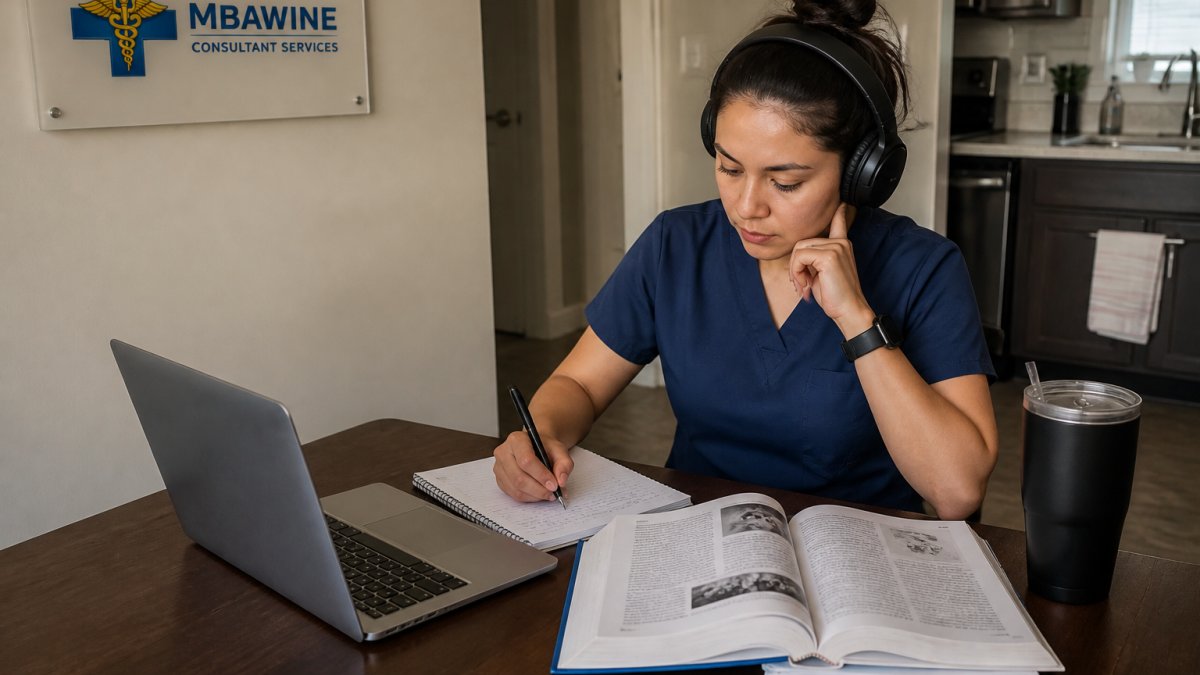
Mbawine Consultants delivers CRCST exam preparation through audio, video, and web conferencing, so you can review a module during a lunch break or replay a session after your shift ends. Our instructors hold current certifications and have worked in the departments they teach.
A workable study rhythm looks like this:
The technicians who pass on the first attempt aren't the ones who study the most hours. They're the ones who study consistently.
A sterile processing technician course length typically runs from a few weeks of intensive study to several months of part-time preparation, depending on your background and how much time you can commit each week. There's no single standard, which is exactly why you should pick a pace that matches your life.
| Your Situation | Realistic Timeline | Study Load |
|---|---|---|
| New to the field, full-time study | 6-10 weeks | 15-20 hrs/week |
| Working tech, part-time prep | 3-5 months | 5-8 hrs/week |
| Experienced tech refreshing | 3-6 weeks | 8-10 hrs/week |
| Career changer with no clinical background | 4-6 months | 10-12 hrs/week |
The variable that matters most is prior hands-on exposure. If you already decontaminate and assemble trays daily, the terminology is familiar and you move faster. If you're entering from outside healthcare, budget more time for the anatomy and instrumentation sections.
CRCST and CIS serve different career goals, and choosing the wrong one wastes both time and money. CRCST, the Certified Registered Central Service Technician credential, is the entry-level standard for working on the processing floor. CIS, the Certified Instrument Specialist credential, is an advanced certification for technicians who already hold CRCST and want to specialize in complex instrumentation.
Here's the practical breakdown:
If you're new to the field, CRCST first. Every time.
CIS makes sense when you already hold CRCST and want to move into a specialized role, or when your facility has a complex instrument inventory and needs a designated expert. The HSPA certification pathways outline CIS as an advanced credential, not an alternative to CRCST.
The two aren't competitors. They're a sequence. Most technicians earn CRCST, work for a while, then pursue CIS when they're ready to specialize or move toward a leadership track.
Enrolling is straightforward once you know what to look for. The key is choosing a program with credentialed instructors, flexible scheduling, and a track record of preparing people who actually work in the field.
Here's how to get started:
Mbawine Consultants offers financing with no payment for the first 30 days, so you can begin your preparation before the first bill arrives. For facilities that need coverage while staff train, we also provide interim management and staffing solutions so the department keeps running.
New York does not mandate a state license for sterile processing technicians, but most hospitals and surgical centers require CRCST certification as a condition of hire. Employers use it to confirm you know decontamination, assembly, sterilization, and documentation standards. Because job listings in the state routinely list certification as required, completing a sterile processing certification class before you apply keeps your application competitive.
Most programs run several weeks to a few months, depending on whether you attend live sessions or work through recorded modules at your own pace. Course length also depends on whether you are starting from scratch or already have floor experience. Ask the provider how many instructional hours the class includes and whether exam prep is built in, since that affects your total timeline.
Yes. Remote classes cover the same material as in-person programs, using audio, video, and web conferencing so you can attend around a full-time schedule. If you are working 12-hour shifts, recorded sessions let you review lectures on your own time. Confirm the provider offers live instructor access for questions, not just pre-recorded content.
Start with a structured review of the exam content areas, then take practice questions until you can explain why each wrong answer is wrong. Focus on decontamination workflows, sterilization methods, instrument identification, and recordkeeping. A prep class that includes instructor feedback and practice tests helps you spot weak areas early. Enroll with a provider whose instructors hold current certifications and can answer real floor questions.
Sterile processing certification takes real commitment, especially when you're already working long shifts. The right program removes the scheduling barrier so you can focus on the material. Mbawine Consultants pairs credentialed instructors with audio, video, and web conferencing delivery, plus financing that starts with 30 days of no payment. Enroll with Mbawine Consultants and prepare for your CRCST or CIS credential on a schedule that fits your life.


