

Last Updated: September 13, 2026
Sterile processing classes are structured training programs that prepare technicians to decontaminate, inspect, assemble, sterilize, and store surgical instruments used in operating rooms and ambulatory-surgical facilities. At Mbawine Consultants, the right class can help a floor technician become a credentialed professional who can move into leadership. The curriculum spans three areas: instrument identification and decontamination, sterilization methods and monitoring, and regulatory standards from bodies like the FDA medical device reprocessing guidance and the CDC sterilization and disinfection guidelines.
Who actually needs these classes? Three groups.
The content is technical by necessity. You'll memorize instrument names, learn to read sterilization indicators, and understand why a single misfiled tray can shut down an operating room schedule.
The CRCST credential covers the full sterile processing workflow. The CIS credential goes deeper into surgical instrumentation itself. If you want to work the floor and eventually lead a department, pursue CRCST first. If your role revolves around complex instrument sets and specialty trays, CIS is the sharper fit.
| Credential | Focus | Best For | Typical Prerequisite |
|---|---|---|---|
| CRCST | Full reprocessing workflow | Floor techs, future supervisors | None beyond HS diploma |
| CIS | Instrument expertise | Specialty tray specialists | Active CRCST often preferred |
| CHL | Leadership and management | Aspiring department managers | Active CRCST typically required |
CRCST certification requirements center on three things: eligibility, exam performance, and renewal. The exam is administered by the Certification Board for Sterile Processing and Distribution, and it covers nine domains ranging from decontamination to sterile storage.
Candidates generally need a high school diploma or equivalent plus a defined number of hands-on clinical hours before sitting the exam. That hour requirement is the single biggest hurdle for working technicians, and it's why so many people stall. The exam itself is multiple choice and tests practical judgment, not just memorization.
Eligibility hinges on documented work experience or completion of an accredited training program. The domains include decontamination, preparation and packaging, sterilization, sterile storage, and inventory distribution.
Renewal is not automatic. Certified technicians must earn continuing education credits on a recurring cycle and submit documentation to keep the credential active. Let that lapse and you're back to square one. Renewal cycles and credit totals change, so verify current numbers directly with the certifying body before you plan your year.
Sterile processing clinical hours are the supervised, hands-on work a candidate must document before earning certification. They are not classroom time. You're physically running instrument trays, operating sterilizers, and following department protocols under observation.
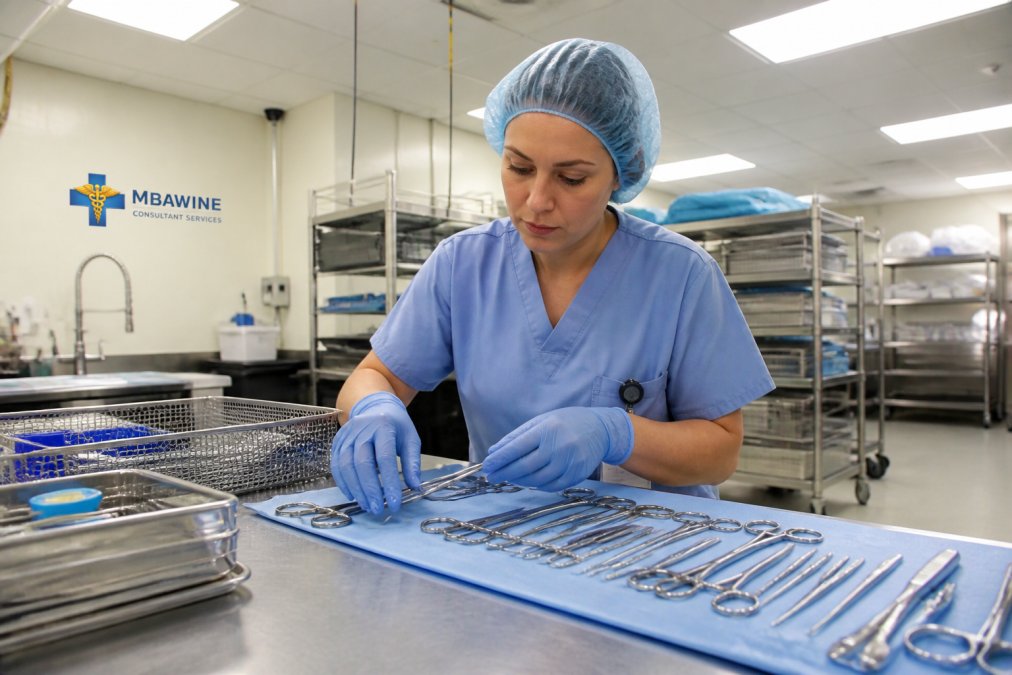
Expect the hours to be logged with a supervisor's verification. Facilities differ in how they structure the experience, so confirm the documentation format your program accepts before you start counting. A common mistake is assuming informal floor experience counts. It usually doesn't unless someone signs off on it.
Compare sterile processing classes on three variables: format, total cost, and instructor credentials. Ignore marketing claims and look at what you actually get.
Format determines whether you can finish while working full-time. Options range from in-person cohorts to self-paced audio and video modules you complete at home.
Cost is rarely a single number. Tuition, exam fees, textbooks, and renewal costs stack up, so ask for the full picture. When a provider won't give a clear total, that's a signal.
Instructor credentials matter more than most buyers realize. A program taught by someone with current certifications and active department experience teaches judgment. A program taught from a textbook teaches definitions.
| Factor | What to Ask | Red Flag |
|---|---|---|
| Format | Can I complete this around 12-hour shifts? | Only live, fixed-time sessions |
| Cost | What is the all-in total including exam fees? | Vague or bundled pricing |
| Instructors | Are they currently certified and working? | No verifiable credentials |
| Support | What happens if I fail the exam? | No retake guidance |
The biggest mistake is buying on price alone. A cheap course that doesn't prepare you for the exam costs more in the end because you pay twice.
The second mistake is ignoring the clinical hour requirement until after you've paid tuition. Confirm how the program handles hours before you enroll.
The third is choosing a format that doesn't match your life. If you work rotating shifts, a fixed live cohort will break you. Self-paced audio and video modules exist for exactly this reason.
Finally, people overlook renewal. Certification is a cycle, not a one-time event, and the program you choose should prepare you for that reality.
Most sterile processing classes run three to six months, covering instrumentation, decontamination, sterilization, and documentation. CRCST certification requires 400 hours of hands-on experience, which can be earned through a hospital job or an approved apprenticeship. Working technicians often finish faster by completing coursework online while logging clinical hours on the job. Total time from enrollment to certification typically ranges from six months to a year, depending on schedule and clinical placement availability.
CRCST certification requirements include a high school diploma or equivalent, completion of an approved sterile processing course, and 400 hours of hands-on experience in a central service department. Candidates then pass a written exam covering decontamination, preparation, sterilization, and storage. Certification must be renewed annually through continuing education. Many employers in New York prefer or require CRCST before hiring, so verifying eligibility early saves time later.
New York does not mandate a state license for sterile processing technicians, but most NYC hospitals and ambulatory surgery centers require CRCST certification or active enrollment in an accredited program. Certification signals competency in instrument handling and sterilization standards, which matters for accreditation surveys. Employers increasingly screen for it during hiring, so completing sterile processing classes and earning CRCST improves your odds in a competitive market.
Yes. Several providers offer hybrid formats that combine online coursework with in-person clinical rotations at New York facilities. This structure lets working technicians complete lectures and practice exams remotely, then fulfill sterile processing clinical hours on site. When comparing sterile processing classes, confirm that the program includes a clinical placement partner near you and that instructors hold current CRCST or CIS credentials. Hybrid options can fit well around 12-hour shifts.
Choosing the right sterile processing classes comes down to fit: your schedule, your goals, and the credential you're chasing. Mbawine Consultants prepares candidates for both CRCST and CIS with flexible audio, video, and web conferencing options you can complete from home, taught by highly credentialed experts. Financing is available with no payment for the first 30 days. Enroll with Mbawine Consultants and start building the credential your career depends on.


