

Last Updated: October 6, 2026
A sterile processing online class teaches the decontamination, inspection, assembly, sterilization, and storage workflows that keep surgical instruments safe for patient use. At Mbawine Consultants, our remote courses are built around the same tasks you'll perform on the floor, so the material transfers directly to the job.
Most programs structure their content around the CRCST exam blueprint, which covers cleaning methods, sterilization equipment, quality assurance, and inventory control. A typical curriculum breaks into these modules:
The goal is simple: prepare you to pass a certification exam and walk onto a hospital or ambulatory-surgical floor ready to work.
The core curriculum of a sterile processing online class covers five areas: decontamination, preparation and packaging, sterilization, sterile storage, and professional standards. Each module builds on the one before it, and most programs pair written lessons with video demonstrations of the actual equipment.
Instrument identification is where many students struggle. A tray can hold dozens of similar-looking tools, and the difference between a hemostat and a needle holder matters during assembly. Good courses use photos, video, and practice quizzes to drill those distinctions. Look for programs that include audio and video components, because reading about a sterilizer cycle is not the same as watching one run.
A CRCST exam preparation course should mirror the certification test's domains and give you practice questions that match its format. The CRCST exam is administered by the Healthcare Sterile Processing Association, and it tests both knowledge and judgment, so prep needs to go beyond memorizing definitions.
HSPA certification and CRCST exam information
When you compare options, look for three things:
Mbawine Consultants offers fast-track CRCST test preparation led by credentialed experts who work in the field. That matters because the exam tests judgment calls, and instructors who have made those calls on the floor can explain the why behind each answer.
Sterile processing course duration varies by format, but most online programs run between 8 and 16 weeks, while self-paced options can stretch longer. Full-time students in intensive programs sometimes finish in 6 to 8 weeks. Working technicians who study around 12-hour shifts usually take 3 to 6 months.
Several factors push the timeline in either direction:
The honest answer is that duration matters less than completion. A technician who finishes a 12-week program and passes the exam is in the same position as one who finished in 6 weeks. Pick the pace you can actually sustain while working.
Sterile processing hands-on training requirements are the part of certification that online classes cannot fully replace. The CRCST credential requires documented hands-on experience hours in a real department, so you will need to arrange a clinical placement, an employer-based pathway, or a supervised practicum.
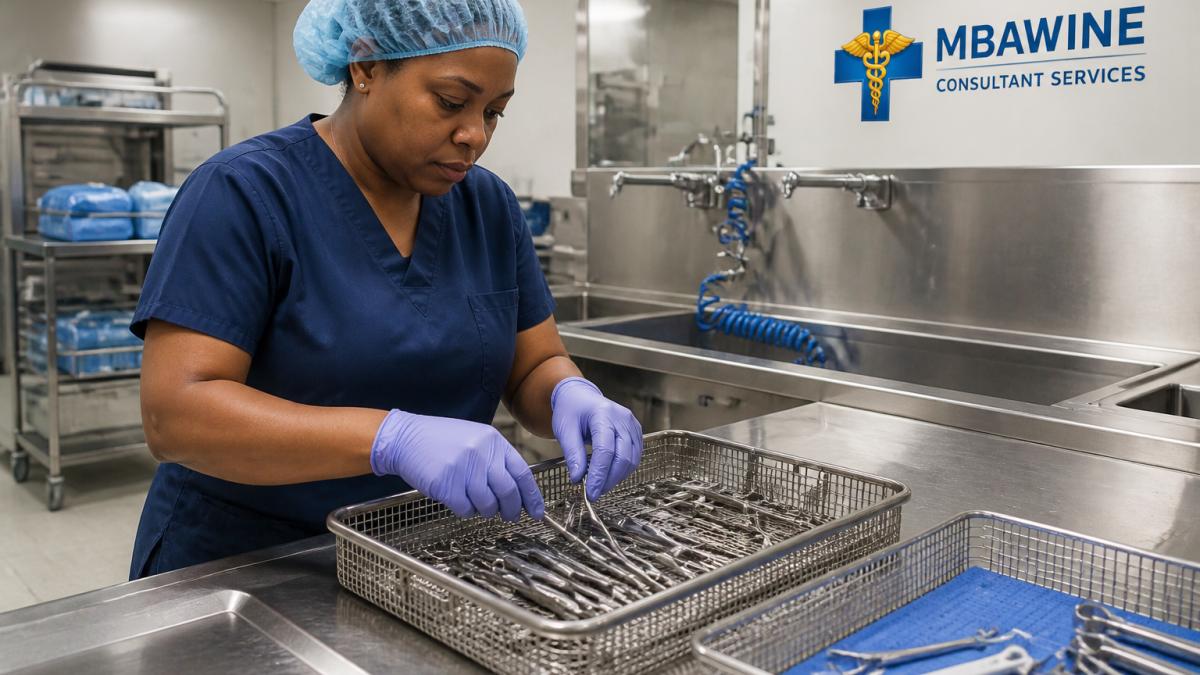
This is where many aspiring technicians get stuck. Online coursework teaches the theory, but you still need a facility willing to let you log hours. Here's how to plan for it:
A program that cannot explain how you'll get your hands-on hours is a program that will leave you stranded after the coursework ends. That gap between classroom and clinic is the single biggest reason students stall out.
Online class formats differ mainly in scheduling, instructor access, and how much hands-on support they include. The table below summarizes the trade-offs so you can match a format to your situation.
| Format | Schedule | Instructor Access | Best For |
|---|---|---|---|
| Live web conference | Fixed weekly sessions | High, real-time Q&A | Students who need accountability |
| Self-paced video | Fully flexible | Limited, message board | Technicians on rotating shifts |
| Audio-based | Flexible, listen anywhere | Moderate | Commuters and shift workers |
| Hybrid with practicum | Mixed | High, plus on-site | Students who need placement help |
Live formats suit people who struggle to stay on track alone. Self-paced and audio formats fit technicians pulling 12-hour shifts, because you can study at 6 a.m. or 11 p.m. without missing a session.
What most guides miss is that the format matters less than the feedback loop. A self-paced course with strong instructor response beats a live course where questions go unanswered.
Choosing the right class comes down to four checks: instructor credentials, exam alignment, hands-on support, and total cost. Run every option through this checklist before you commit.
Mbawine Consultants also supports departments directly through interim management and staffing, so our instructors stay current with what facilities actually need. If you're a manager evaluating training for a team, that field perspective is worth weighing.
On cost: pricing depends on the program, your certification goal, and whether you need placement support, so we direct students to request a quote rather than quote a flat figure. Financing options with no payment for the first 30 days are available.
Certification in sterile processing opens doors to technician roles, leadership tracks, and better pay. The challenge is finding a program that covers the exam, arranges your hands-on hours, and fits around a working schedule. Mbawine Consultants offers fast-track CRCST and CIS preparation, audio and video remote learning, and instruction from credentialed experts who work in the field, with financing options that include no payment for the first 30 days. Enroll with Mbawine Consultants and take the next step toward your certification.
Yes, you can complete the classroom portion of sterile processing training online, covering topics like decontamination, sterilization, and instrument identification. However, CRCST certification through HSPA requires 400 hours of hands-on work experience in a sterile processing department. Programs like Mbawine Consultants combine online coursework with guidance on fulfilling those clinical requirements.
Most online sterile processing courses cover the didactic material but do not provide the required hands-on clinical hours. The sterile processing hands-on training requirements for CRCST certification include 400 hours of experience in a real department. Some programs help you arrange a clinical placement or guide you toward employers who will support your hours while you work.
Sterile processing course duration varies by program and schedule. Self-paced online courses may take 8 to 16 weeks to complete the classroom portion, while the required 400 clinical hours can take 3 to 6 months depending on your work schedule. Flexible programs let you move faster or slower based on your availability.
A CRCST exam preparation course delivered online can cover all the content areas tested, including decontamination, preparation, sterilization, and sterile storage. Look for a program with practice exams, audio and video modules, and access to instructors. Mbawine Consultants offers remote CRCST prep designed for working technicians who need flexible study options.


