

Last Updated: September 4, 2026
Sterile processing operational support for hospitals is the combination of staffing, workflow management, education, and compliance oversight that keeps a Central Sterile Supply Department (CSSD) running without bottlenecks. When operational support is done well, instrument trays arrive on time, surgical cases start as scheduled, and infection control metrics stay within acceptable ranges.
The gap between a functional SPD and a struggling one rarely comes down to the autoclaves. It comes down to whether leadership has a clear picture of the department's actual workflow, staffing ratios, and training gaps. In this guide, we break down the core components of operational support, from daily reprocessing cycles to long-term certification planning, so you can identify where your department needs the most help.
Every instrument that touches a patient follows the same journey: decontamination, inspection, assembly, sterilization, and sterile storage. Each step builds on the last, and a failure at any point compromises instrument integrity and patient safety.
The decontamination phase is where bioburden is removed. Technicians in proper protective equipment manually clean instruments, often using ultrasonic cleaners and washer-disinfectors to handle the bulk of the soil. This is also where instrument tracking begins, with each tray logged into the system before it moves forward.
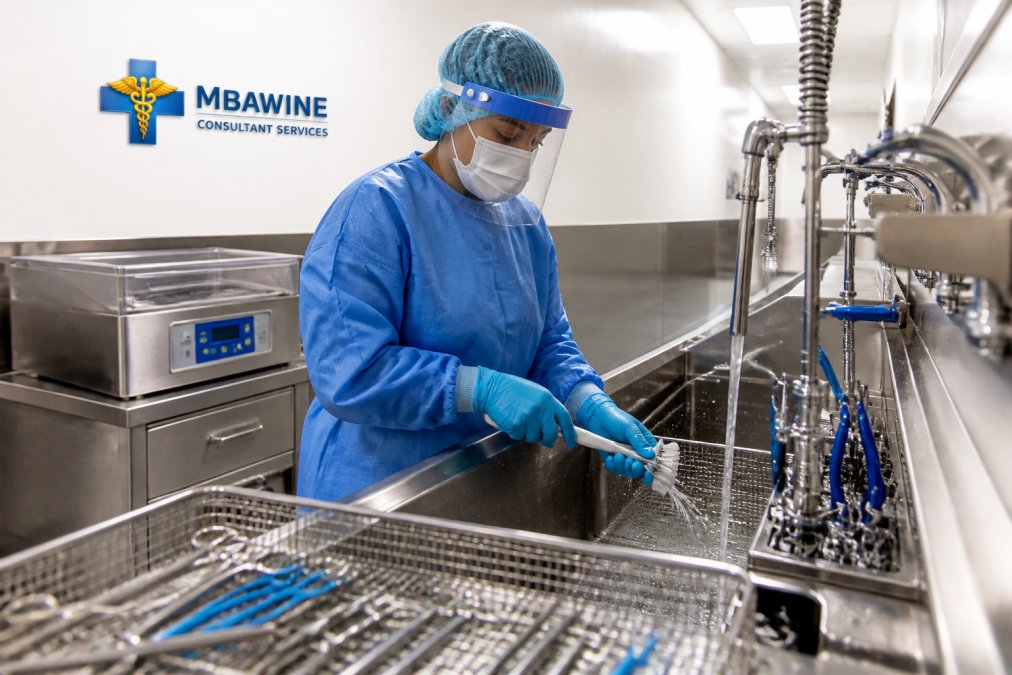
After cleaning, instruments are inspected under magnification for damage or residual soil, assembled into trays according to count sheets, and wrapped or containerized. The sterilization phase typically uses a steam autoclave, though low-temperature methods like hydrogen peroxide gas plasma are required for heat-sensitive medical devices. Proper sterilization depends on correct loading density, cycle parameters, and biological indicator testing. According to AAMI standards guidance on steam sterilization, strict adherence to validated cycles is the foundation of aseptic technique in the operating room.
The direct link between reprocessing failures and surgical site infections makes the SPD a frontline defense in infection control. When sterilization protocols are followed correctly, the risk of contaminated instruments reaching the operating field drops dramatically. When they are not, the consequences can range from surgical delays to serious patient harm.
A common misconception is that visual cleanliness equals sterility. A tray can look pristine and still fail a biological indicator test if the autoclave cycle was interrupted or the load was packed too densely. This is why quality assurance must include both process monitoring, such as chemical indicators on every tray, and routine biological validation of sterilizer performance.
In practice, this means the SPD must operate with the same documentation rigor as a pharmacy. Every cycle needs a record. Every tray needs traceability back to the patient case it supported. The CDC guidelines for disinfection and sterilization in healthcare facilities emphasize that failures in reprocessing are often system failures, not individual technician errors, which is why operational support focuses on building reliable systems rather than assigning blame.
Staffing shortages in sterile processing are not a new problem, but they have become more acute as surgical volumes rebound and experienced technicians retire. The Bureau of Labor Statistics reports that central service and supply technician positions have grown faster than the national average, yet many facilities report difficulty filling open shifts. When a department runs short-staffed, the first casualty is often the decontamination phase, where turnover time gets compressed and corners get cut.
Effective staffing solutions require understanding the baseline workload and translating it into staffing ratios. Most facilities operate with a rule of thumb: one full-time equivalent technician per 8-12 operating room cases per day, depending on case complexity and instrument density. A surgical facility averaging 25 cases per day across orthopedic, general, and specialty services typically needs 3-4 full-time technicians in decontamination, 2-3 in assembly and inspection, and 1-2 in sterilization and storage. These ratios are not fixed; they shift based on whether your facility uses flash sterilization, whether you outsource certain instrument sets, and whether you have automated washer-disinfectors.
Scheduling models also matter. Departments that stagger shifts to cover 6 a.m. to 6 p.m. (or later if your facility runs evening cases) avoid the bottleneck of all technicians working the same morning hours. Cross-training technicians across decontamination, assembly, and sterile storage builds flexibility and reduces the impact of call-outs. However, cross-training only works if it is structured: pairing new hires with certified preceptors for 4-6 weeks, using competency checklists to verify mastery of each role, and rotating staff through different areas on a planned schedule rather than ad hoc.
For departments facing immediate gaps, temporary staffing bridges the short term, but only if the agency understands your protocols. A traveler who has worked at three different hospitals in the past year will bring different habits to each one. The more sustainable fix is investing in your current team through structured certification preparation. CRCST (Certified Registered Central Service Technician) certification from HSPA is the industry standard; technicians who hold it command higher wages and are less likely to leave. Facilities that subsidize certification exam fees and study time, typically $300-$500 per technician, often see retention improve within 12 months.
For departments that lack the internal capacity to run training or that are dealing with high turnover, bringing in external educators or interim management is a practical alternative. An interim manager can assess skill gaps, design a targeted training curriculum, and mentor your permanent leadership team while you recruit. Many facilities find that a 90-day engagement with focused training produces faster results than trying to recruit their way out of the problem, especially in markets where SPD technicians are in short supply.
A sterile processing needs assessment is a systematic review of your department's current state against its actual workload. It answers a simple question: do you have the right people, processes, and equipment to handle the surgical cases your facility schedules?
The assessment typically starts with data collection. Pull your instrument tracking reports to see average turnaround times. Review your staffing schedule against case volumes by day of week. Audit your biological indicator failure rates and your tray assembly error logs. This baseline data tells you where the bottlenecks are, rather than relying on anecdotal impressions from shift supervisors.
From there, the assessment moves into workflow observation. Watching the decontamination area during peak morning hours often reveals inefficiencies that spreadsheets miss: technicians walking across the department for supplies, trays waiting for missing instruments, sterilizers idling because the load is incomplete. The output of a good assessment is a prioritized action plan that distinguishes between quick fixes, like reorganizing storage, and structural changes, such as adding a second sterilizer or hiring additional staff.
For technicians looking to move up, certification is the clearest career path. The Certified Registered Central Service Technician (CRCST) credential from HSPA validates foundational knowledge, while the Certified Instrument Specialist (CIS) designation recognizes advanced expertise in instrument identification and handling. Both require passing a comprehensive exam, and both open doors to higher-paying roles and leadership opportunities.
CRCST and CIS certification preparation is most effective when it fits around shift work. Traditional classroom programs are difficult for technicians pulling 12-hour shifts, which is why self-paced study with audio and video modules has become popular. The key is finding a prep program that covers the full exam blueprint, including decontamination, sterilization, and instrument anatomy, rather than just hitting the highlights.
For technicians eyeing management, the Certified Healthcare Leader (CHL) credential is the next step. CHL preparation focuses on the administrative side of the SPD: budgeting, staffing models, regulatory compliance, and interdepartmental communication. Technicians who complete this certification often position themselves for interim management roles while they build the experience needed for permanent leadership positions.
Sterile processing departments operate under a dense web of standards from organizations like AAMI (Association for the Advancement of Medical Instrumentation), AORN (Association of periOperative Registered Nurses), and The Joint Commission. Compliance is not optional, and survey readiness requires ongoing attention to documentation, staff competency files, and equipment maintenance logs. However, compliance is no longer a paper-based exercise; technology integration is reshaping how departments track, monitor, and prove compliance.
Traditional quality assurance relied on manual logs: technicians recording sterilizer cycle parameters in notebooks, biological indicator results tracked in spreadsheets, and tray assembly counts verified by hand. This approach is labor-intensive and prone to transcription errors. Modern SPD operations use instrument tracking software that logs every tray from decontamination through sterilization to the operating room, creating an auditable chain of custody. When a surgical site infection is suspected, this digital trail allows you to identify exactly which instruments were used, which sterilizer processed them, and which cycle parameters were applied, often within minutes rather than hours.
Biological indicator monitoring is a critical compliance requirement. AAMI standards require that steam sterilizers be validated with biological indicators at least weekly, and many facilities run them daily. Automated monitoring systems now integrate with your sterilizer and alert staff immediately if a biological indicator fails, rather than waiting for lab results days later. This real-time feedback allows you to quarantine affected loads before they reach the operating room and investigate the root cause (e.g., improper loading, equipment malfunction) before the next cycle runs.
Chemical indicators on every tray provide process monitoring, but they only work if someone is checking them. Digital image capture systems photograph each tray's chemical indicator after sterilization and flag any that did not reach the required color change, eliminating the subjective judgment of whether a color shift is "good enough." This automation reduces the risk of human error and creates objective documentation for accreditation surveys.
Interdepartmental communication is another compliance pain point that technology addresses. When the operating room needs a tray urgently, they often call the SPD directly, creating verbal orders that are easy to misinterpret or forget to document. Integrated scheduling systems allow the OR to request trays through a shared platform, the SPD to confirm availability and delivery time, and both departments to see the status in real time. This reduces surgical delays and creates a documented hand-off that satisfies Joint Commission requirements for communication protocols.
Quality assurance in the SPD is about catching problems before they reach the operating room. This means daily checks of sterilizer function, routine biological monitoring, and immediate investigation of any positive test result. It also means maintaining clear records that demonstrate compliance during accreditation surveys. Facilities that have had past compliance issues often find that bringing in external interim management helps reset the culture and implement systematic improvements without the internal politics that can derail improvement efforts.
The most effective quality programs treat every error as a learning opportunity. When a tray is assembled incorrectly or a sterilizer cycle is interrupted, the response should be to identify the training gap or system failure and fix it, not to discipline the technician. This approach builds a culture where staff feel comfortable flagging near-misses, which is the only way to get an accurate picture of your department's true performance. Facilities that implement root-cause analysis for every incident, not just failures, but close calls, often discover that the majority of problems stem from workflow design or communication breakdowns, not individual incompetence.
Running an effective sterile processing department requires more than functional autoclaves and full schedules. It demands a clear view of your workflow, a trained and certified team, and systems that catch errors before they affect patients. Many facilities struggle to build all of these pieces while managing day-to-day surgical volumes.
Mbawine Consultants provides comprehensive surgical support services, needs assessment, and specialized education for sterile processing departments. Our highly credentialed experts offer CRCST and CIS certification preparation, interim management, and staffing solutions for surgical and ambulatory-surgical facilities. With flexible remote learning options and financing that requires no payment for the first 30 days, we make it practical for your team to reach the next level of performance. Get started with Mbawine Consultants and build a sterile processing department that supports your surgical schedule with confidence.
Sterile processing operational support encompasses interim management, staffing solutions, needs assessments, and specialized training for your department. It addresses workflow bottlenecks, ensures compliance with regulatory standards, improves instrument tracking and traceability, and helps reduce surgical delays. Support can range from temporary staffing during shortages to comprehensive departmental restructuring led by credentialed experts who understand both clinical requirements and operational efficiency.
A sterile processing needs assessment evaluates your current workflow, staffing levels, equipment condition, compliance gaps, and turnaround times. It identifies bottlenecks causing surgical delays, assesses technician certification levels, reviews inventory management practices, and determines whether your decontamination and sterilization processes meet regulatory standards. This data-driven approach helps leadership understand exactly where investment in training, staffing, or process improvement will deliver the highest impact on patient safety and operational efficiency.
Yes. Flexible certification preparation options, including audio and video modules, allow technicians to study on their own schedule outside of 12-hour shifts. Remote learning removes travel time and lets you progress at your own pace. This approach balances full-time work with career advancement toward leadership roles like Certified Healthcare Leader, without requiring unpaid time off.
Certified technicians demonstrate mastery of decontamination, sterilization, instrument integrity, aseptic technique, and compliance protocols. Certification reduces errors that lead to surgical site infections, improves workflow efficiency, and builds confidence in your department's ability to handle complex surgical cases. Certified staff also improve patient safety outcomes, reduce instrument damage and rework, and position your facility for accreditation. When technicians advance into leadership roles, they bring clinical credibility to operational decisions.
This article was written using GrandRanker


