

Last Updated: September 30, 2026
Surgical site infections remain one of the most preventable yet costly complications in healthcare. The connection between sterile processing and SSI rates isn't theoretical, it's direct and measurable. When instruments arrive in the operating room contaminated or inadequately sterilized, the patient's surgical outcome is already compromised before the first incision.
Departments that monitor sterile processing SSI rates and prioritize rigorous standards see dramatically lower infection rates. Every step in the reprocessing chain, from initial decontamination through final sterilization, either reduces or increases the microbial load that reaches the surgical field. A single breakdown in protocol can introduce pathogens that lead to serious complications, extended hospital stays, and significant clinical and financial consequences.
Improper sterilization creates a direct pathway for pathogens to reach the surgical site. If bioburden, the total number of microorganisms on an instrument, isn't adequately reduced through decontamination, or if the sterilization cycle fails to eliminate remaining organisms, contaminated instruments enter the sterile field.
Inadequate sterile processing typically stems from three failure points: incomplete decontamination leaving organic material on instruments; sterilization cycle failures from equipment malfunction, improper load configuration, or inadequate steam penetration; and post-sterilization contamination during storage or transport.
Surgical site infections extend hospital stays by an average of 7-10 days per patient, increase antibiotic resistance, and in severe cases lead to sepsis or death. They also trigger investigations, increase liability exposure, and damage institutional credibility.
Excellence in sterile processing rests on three pillars: rigorous decontamination, validated sterilization, and continuous staff competency. Each pillar supports the others, and weakness in any area undermines the entire system.
Decontamination is the critical first step. Instruments must be cleaned thoroughly to remove blood, tissue, and organic material before sterilization. Manual cleaning followed by mechanical washer-disinfection provides the most reliable approach for complex instruments.
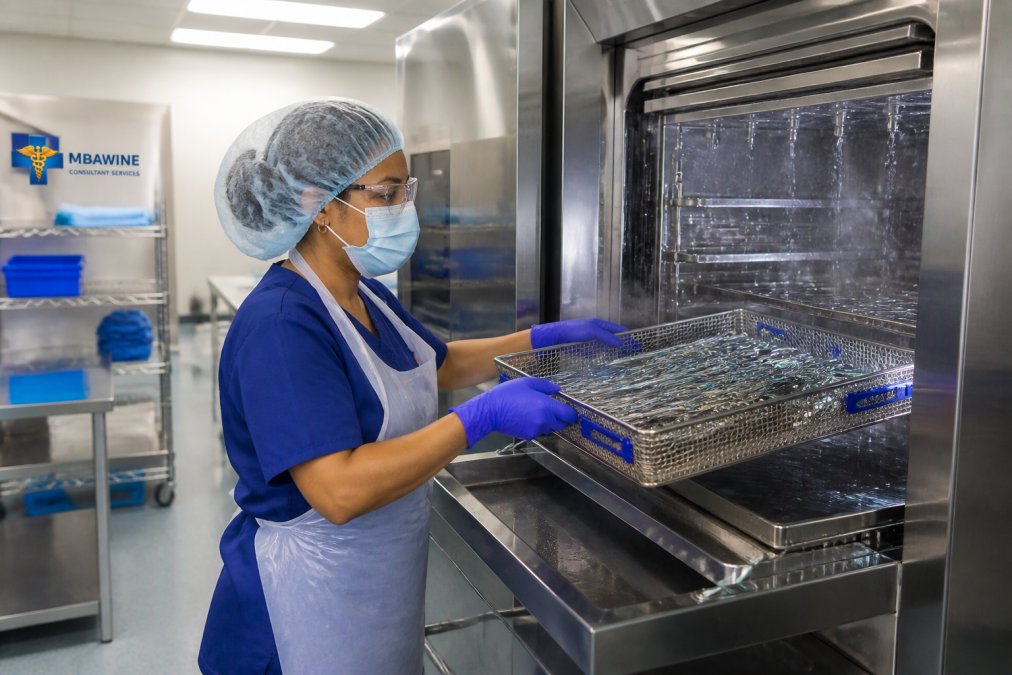
Best practices include pre-soaking instruments immediately after use, using enzymatic detergents, running mechanical washer-disinfectors on validated cycles with temperature monitoring, verifying cleanliness visually, and documenting parameters for traceability. Decontamination is a validated process that directly determines whether sterilization will succeed.
Staff competency is the human foundation of sterile processing excellence. Technicians must understand why each step matters; those who grasp the microbiology behind sterilization will catch problems that checklist-followers might miss.
Certified Registered Central Service Technicians (CRCST) and Certified Instrument Specialists (CIS) have demonstrated competency through rigorous examination. For facilities serious about reducing SSI risk, certified staff should represent the core of your sterile processing team.
Training should cover microbiology fundamentals, equipment operation, sterilization validation, documentation, and troubleshooting. Ongoing competency assessment keeps knowledge current and identifies gaps before they become operational problems.
Quality assurance in sterile processing departments translates directly to patient safety outcomes. Measurable metrics create accountability and reveal trends before they become problems. The most effective modern SPD programs combine traditional validation metrics with digital instrument tracking systems that reduce human error in inventory and chain-of-custody management.
Key metrics include biological indicator (BI) pass rates, which validate sterilization efficacy. Routine BI testing, typically weekly for steam sterilizers, provides objective evidence that sterilization cycles are working. Chemical indicators offer real-time feedback on steam penetration within each load.
Equipment maintenance records track autoclave performance over time and prevent catastrophic failures. Documentation demonstrates compliance and provides data for trend analysis.
Regular staff competency assessments ensure knowledge doesn't drift and that new staff reach competency standards before working independently.
Instrument tracking software (ITS) creates a digital record of every instrument's journey through decontamination, sterilization, storage, and delivery to the operating room. Unlike manual tracking, ITS automatically logs timestamps, equipment used, staff credentials, and sterilization parameters for every instrument set.
When a patient develops a surgical site infection, investigators can instantly retrieve the complete processing history of every instrument used in that case. This eliminates guesswork and accelerates identification of systemic problems. If multiple patients develop infections linked to instruments from a specific sterilizer, ITS data reveals the pattern immediately, allowing rapid quarantine and investigation.
ITS enforces instrument segregation by requiring staff to scan instruments at each processing stage, creating an audit trail that confirms instruments from different cases never mixed in storage or transport.
ITS provides real-time visibility into instrument availability and processing delays, reducing pressure that drives IUSS usage. Surgical teams can see when instruments will be ready rather than assuming they're lost and requesting emergency sterilization.
ITS implementation requires initial investment in software, hardware, and staff training. Facilities report the system pays for itself within 18-24 months through prevented infections and operational improvements.
The most sophisticated SPD programs connect quality metrics directly to post-operative surveillance data, creating a closed feedback loop where SSI detection triggers an automatic review of the SPD processing history.
When a patient develops a surgical site infection, the infection prevention team should immediately query the SPD system for the complete processing record of instruments used in that surgery. This data becomes the starting point for root-cause analysis of sterilization parameters, staff involved, pending BI tests, and protocol deviations.
This feedback loop allows rapid identification of whether infection was related to SPD failure or another cause, and creates learning opportunities.
Immediate-use steam sterilization (IUSS) offers a rapid solution when instruments are needed immediately, typically 3-10 minutes depending on equipment and load configuration.
Surgical instrument backlog creates pressure that leads to dangerous shortcuts. The root cause of most backlogs is often poor workflow design and facility layout that creates bottlenecks and cross-contamination risk even when staff follow protocol correctly.
Best-practice SPD design follows a strict directional workflow: contaminated instruments enter one end, move through decontamination, sterilization, and storage in a linear path, and exit only to the operating room. This unidirectional flow prevents mixing of clean and contaminated instruments.
Dedicated decontamination zones separate from storage and sterilization prevent clean instruments from contacting contaminated items. Color-coded or physically separated storage areas for instruments at different processing stages prevent accidental use of unsterilized instruments. Designated transport carts that move only in one direction eliminate cross-contamination risk. Sterilization load configuration protocols prevent mixing instruments from different cases and allow rapid identification if problems occur.
Instrument backlog signals that the SPD is operating at or beyond capacity, creating cascading risks: increased IUSS use, staff shortcuts in decontamination and documentation, and overcrowded storage areas that compromise sterile barriers.
A single SSI can cost a facility $10,000 to $40,000 in additional care, not including liability exposure or reputation damage. Preventable infections increase insurance premiums, trigger accreditation scrutiny, and erode patient trust.
| Metric | Purpose | Frequency | Impact on SSI Risk |
|---|---|---|---|
| Biological Indicator Pass Rate | Validates sterilization efficacy | Weekly | Direct, failed BI indicates sterilization failure |
| Chemical Indicator Results | Confirms steam penetration in load | Every cycle | Identifies load configuration problems |
| Equipment Maintenance Records | Prevents autoclave failure | Per manufacturer schedule | Prevents catastrophic sterilization failures |
| Staff Competency Assessment | Ensures knowledge and skill | Annual minimum | Identifies training gaps before errors occur |
| Instrument Traceability Data | Enables outbreak investigation | Continuous | Allows root cause analysis if infection occurs |
EXTERNAL SOURCES FOR FURTHER LEARNING:
When sterilization cycles fail to eliminate microbial load, due to inadequate temperature, time, or steam penetration, pathogens survive on surgical instruments. During surgery, these microorganisms contaminate the surgical field and wound, leading to post-operative SSIs. Bioburden that escapes sterilization is the primary mechanism linking sterile processing errors directly to patient infection risk.
The most frequent errors include improper decontamination (organic material left on instruments), inadequate steam penetration due to instrument tray overloading, failure to validate sterilization cycles, and cross-contamination during storage or transport. Staff competency gaps, particularly in understanding aseptic technique and standard operating procedures, amplify these risks. Regular quality assurance audits catch these errors before they reach the operating room.
Yes. Hospitals that implement rigorous SPD protocols, staff training, and quality assurance metrics consistently report lower SSI rates, shorter patient stays, and reduced antibiotic use. Each prevented surgical site infection saves $10,000-$40,000 in direct medical costs. Standardized protocols also reduce instrument backlog and surgical delays, improving operating room throughput and revenue while protecting patient outcomes.
Digital tracking systems provide real-time visibility into sterilization cycle validation, instrument chain of custody, and maintenance records. This automation reduces human error, ensures instruments meet regulatory standards before use, and enables rapid traceability if a contamination event occurs. Tracking systems also prevent surgical delays caused by instrument unavailability, maintaining consistent patient safety and OR efficiency.


