

Last Updated: September 16, 2026
A sterile processing virtual class is a remote training program that prepares technicians to decontaminate, inspect, assemble, sterilize, and store surgical instruments, delivered through live web conferencing, recorded video modules, and audio instruction instead of a physical classroom. This guide from Mbawine Consultants breaks down what those classes teach, how they connect to certification, and how to choose one that fits your schedule.
The appeal is obvious for anyone already working in a central sterile department. You get the same core curriculum without rearranging your life around a campus schedule. Most programs cover infection control principles, instrument identification, manual and mechanical cleaning, sterilization methods, and documentation.
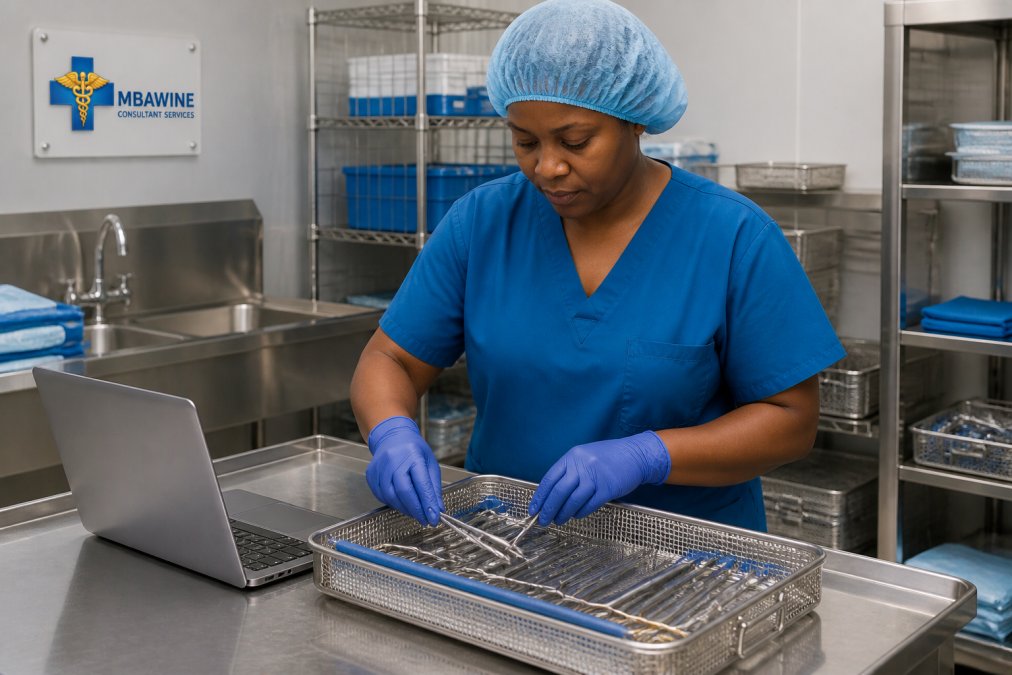
Expect these subjects in nearly every reputable program:
The Association for the Advancement of Medical Instrumentation publishes the standards that underpin most of this curriculum, so a program that references AAMI guidance is a good sign.
The CRCST certification requirements combine classroom hours, hands-on clinical experience, and a written exam administered through the Healthcare Sterile Processing Association. Candidates typically need a set number of education hours plus documented work experience before they can sit for the exam, though the exact figures change and you should confirm current numbers with HSPA's certification handbook before you enroll anywhere.
There are two common routes. The first is a structured training program that bundles coursework with a clinical placement. The second is on-the-job training paired with an independent prep course for the exam. The second path works well if you already have a department willing to train you.
What most guides miss is that the exam tests application, not memorization. You need to reason through scenarios about load configuration and bioburden, not just recite definitions.
Sterile processing clinical hours are the supervised, hands-on portion of your training completed in an actual decontamination and sterilization area. Online coursework cannot replace them. This is the single most misunderstood part of virtual training, and it trips up a lot of new technicians.
Here is how the split usually works:
| Component | Where It Happens | What It Covers |
|---|---|---|
| Didactic coursework | Online, self-paced | Theory, standards, instrument ID |
| Exam prep | Online, live or recorded | Practice questions, test strategy |
| Clinical hours | On site at a facility | Supervised hands-on practice |
| Final exam | Testing center or proctored | CRCST written exam |
The practical implication is simple: choose a virtual class that helps you line up a clinical site, or confirm your employer will sponsor your hours before you pay for anything.
HSPA certification exam prep should mirror the real test format, which means scenario-based multiple-choice questions rather than simple recall. A good prep course runs you through practice exams under timed conditions so test-day pressure does not derail you.
Live web conferencing sessions tend to beat passive video for this. You can ask why an answer is wrong, which is where real learning happens.
Look for prep that covers the eight domains HSPA tests and gives you a score breakdown by domain, so you know where to focus. Programs from Mbawine Consultants use audio, video, and web conferencing to fit study around 12-hour shifts, which is the reality for most people preparing for this exam.
Pick a program based on three things: instructor credentials, clinical hour support, and schedule flexibility. If a provider cannot tell you exactly who teaches the class and what certifications those instructors hold, keep looking.
Ask these questions before you enroll:
Mbawine Consultants offers financing with no payment for the first 30 days, which matters if you are paying out of pocket before your first paycheck in a new role. Pricing depends on the program and your goals, so request a quote rather than guessing at a number.
The biggest mistake is treating a virtual class like a video you can half-watch. Sterile processing rewards attention to detail, and passive viewing does not build the judgment you need on the floor.
Three more to watch:
A common mistake is waiting until the last week to start practice exams. Start them early and use the results to steer your study.
The hardest part of this path is not the material. It is fitting serious study around a full shift schedule while lining up the clinical hours that certification demands.
Mbawine Consultants was built for exactly that problem, with highly credentialed instructors, fast-track CRCST and CIS test preparation, and audio, video, and web conferencing so you can learn from home. Financing options include no payment for the first 30 days, and the same team supports facilities that need interim management and staffing.
Enroll with Mbawine Consultants and start preparing for your certification on a schedule that works around your shifts.
You can complete the classroom portion of your training online through a sterile processing virtual class, but clinical hours must be done in person at a hospital or surgical facility. New York does not require a state license for sterile processing technicians, though many employers prefer CRCST certification. Virtual programs let you study from home while arranging your clinical experience locally.
Most virtual sterile processing classes run between 8 and 16 weeks, depending on whether you enroll full-time or part-time. Programs that include audio and video modules give you flexibility to study around 12-hour shifts. Some providers offer fast-track options for experienced technicians who only need exam preparation. Your clinical hours are scheduled separately and can extend the total timeline.
A quality virtual course covers the same content tested on the HSPA certification exam, including decontamination, sterilization methods, instrument identification, and infection control. Look for programs that include practice tests and review sessions. Mbawine Consultants offers HSPA certification exam prep taught by credentialed experts who have worked in sterile processing departments, not just studied textbooks.
Clinical hours are completed in person at a hospital or ambulatory-surgical facility, not online. Your program coordinates with a local site, or you may arrange your own placement with employer approval. The HSPA requires 400 hours of hands-on experience for CRCST certification, though some pathways allow you to substitute completed coursework. Plan your clinical schedule early because site availability varies by region.


