

Last Updated: October 4, 2026
Sterile storage best practices form the foundation of infection prevention in healthcare settings. When sterile products are stored improperly, contamination risks increase, patient safety suffers, and regulatory compliance becomes difficult to maintain. Mbawine Consultants works with central sterile processing departments across surgical and ambulatory facilities to ensure their teams understand why these practices matter and how to implement them correctly.
The stakes are high. A single compromised sterile package can lead to surgical site infections, extended patient recovery times, and potential liability. Yet many departments treat sterile storage as a secondary concern, focusing resources elsewhere. The reality is different: proper sterile storage directly impacts every surgical procedure that follows.
Sterile storage best practices protect three critical areas simultaneously. First, they prevent microbial growth and contamination through environmental control. Second, they maintain package integrity so products remain sterile from processing through use. Third, they ensure regulatory compliance with standards that govern healthcare operations. Without these practices in place, even the most rigorous sterilization process becomes meaningless the moment a product enters storage.
Environmental control is the first line of defense against contamination in sterile storage areas. Temperature and humidity must remain stable because fluctuations create conditions where microbial growth accelerates and packaging materials degrade. Most facilities aim to maintain temperatures between 68-73°F with relative humidity between 30-60 percent, though specific requirements vary by facility and product type.
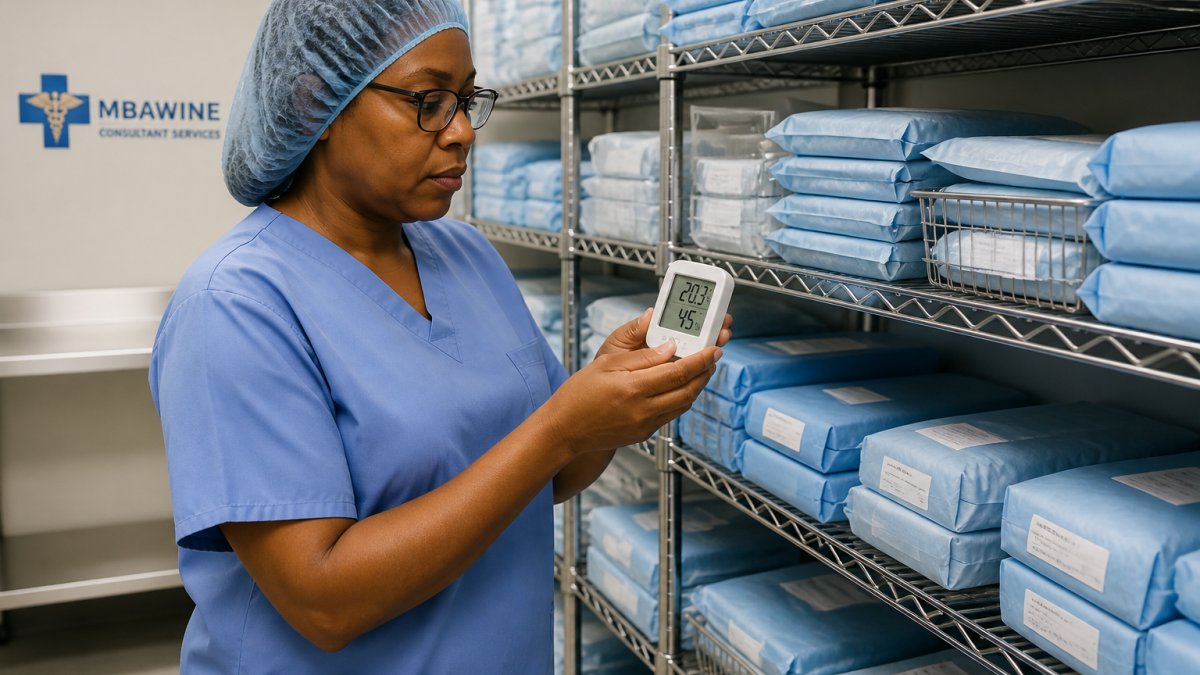
Humidity control deserves special attention. When humidity drops below 30 percent, packaging materials become brittle and crack. When it rises above 60 percent, moisture accumulates on products and promotes bacterial growth. Many departments install wall-mounted digital monitors in their storage areas to track these variables continuously.
Temperature excursions happen more often than departments expect. Seasonal changes, HVAC failures, and even door openings during restocking can shift conditions temporarily. The key is recognizing when an excursion occurs and responding appropriately. Many facilities establish thresholds, for example, any temperature reading outside 68-73°F for more than one hour triggers an investigation.
Light exposure also matters in sterile storage. Fluorescent lights and direct sunlight can degrade certain products, especially those containing light-sensitive materials. Many departments use indirect lighting or cover light-sensitive products with opaque storage containers.
The shelving you choose directly impacts how well you can organize, inspect, and maintain sterile products. Sterile storage shelving must meet specific requirements: it should be smooth, non-shedding, easy to clean, and sturdy enough to support the weight of sterile packages without bending or warping.
Avoid wooden shelving entirely. Wood absorbs moisture, splinters, and creates surface irregularities where dust and microorganisms can hide. Similarly, wire shelving with small openings can trap dust and make cleaning difficult. Solid shelving surfaces are superior because they present fewer hiding places for contaminants and are simpler to wipe down during routine cleaning.
Shelf spacing matters as well. Shelves should be spaced far enough apart that staff can reach products without squeezing them, and packages should never touch ceiling surfaces or walls. A general rule is to maintain at least 8-10 inches of clearance above the highest package and at least 6 inches from side walls.
Organization on shelves follows a logical pattern in well-managed departments. Many facilities arrange products by type, size, or surgical specialty. Smaller instruments and trays go on lower shelves for easier access, while larger items occupy higher shelves. The goal is creating a system where staff can quickly locate what they need without handling multiple packages.
Routine inspection is where many departments fall short. A sterile package can look fine at first glance but harbor hidden damage. Inspections must be systematic, documented, and performed before packages are placed into storage and again periodically while they remain stored. This dual-inspection approach catches problems early.
During initial inspection, staff examine packages for tears, punctures, moisture, discoloration, or any visible damage to the wrapper or container. They check seals to ensure they are intact and properly sealed. For peel packages, the indicator strip should show the appropriate color change, confirming that the sterilization process completed successfully. Any package showing signs of compromise gets set aside for reprocessing, no exceptions.
Ongoing inspection during storage is equally important. Packages stored for weeks or months can develop problems that weren't visible initially. Staff should conduct weekly or bi-weekly visual inspections of stored products, looking for new damage, moisture accumulation, or signs of pest activity. Many departments assign this task to one or two team members to ensure consistency.
Environmental stress can damage packages over time. Vibration from HVAC systems, temperature fluctuations, and humidity changes all contribute to package degradation. Products stored in high-traffic areas near doors experience more stress than those in quieter zones. Some departments rotate stock strategically, using older packages first to ensure products don't exceed their shelf life.
Sterile instruments and trays have unique storage requirements that differ from prepackaged products. Instruments stored in rigid containers or trays must be arranged so they don't shift during transport or storage. Loose instruments can create sharp edges that puncture packaging or damage other products.
Sterile processing department staff should store instrument trays on dedicated carts or shelves, never stacked directly on top of each other unless the trays are specifically designed to nest safely. Stacking creates pressure on lower trays and can damage instruments or compromise packaging integrity.
Instruments with hinged or articulated parts require special attention. These components can become dull or damaged if stored in positions that create pressure on the joints. Many facilities store instruments in slightly open positions to reduce stress.
Documentation of instrument tray contents is essential. Staff should know exactly what's in each tray without opening it. Many departments photograph tray contents or maintain inventory lists. This practice speeds up selection during surgical procedures and prevents unnecessary opening of packages.
High-level disinfection of certain instruments requires special storage considerations. Some instruments cannot be steam sterilized and must be processed through chemical disinfection instead. These products have different shelf-life requirements and may need to be stored separately from terminally sterilized items. Clear labeling prevents confusion and ensures staff use the correct products for their intended purposes.
Regular audits are the mechanism that keeps sterile storage best practices from slipping over time. An effective sterile processing department audit checklist should cover all major elements: environmental conditions, storage organization, package integrity, documentation, and staff knowledge.
The audit process begins with environmental verification. Staff measure and document temperature and humidity readings, check that monitoring equipment is functioning correctly, and verify that HVAC systems are maintaining proper conditions. They inspect storage areas for cleanliness, looking for dust, debris, or signs of pest activity.
Package inspection forms part of the audit as well. Auditors select a sample of stored packages, typically 10-20 items, and examine them carefully for signs of damage or degradation. They verify that expiration dates are visible and that no products have exceeded their shelf life.
Documentation review is critical. Auditors examine records of sterilization cycles, environmental monitoring, package inspections, and any incidents or corrective actions taken. They verify that documentation is complete, legible, and stored in a way that allows easy retrieval during regulatory inspections.
Staff knowledge assessment completes the audit cycle. Auditors may ask team members questions about sterile storage practices, observe them performing inspections, or review their understanding of facility protocols. This assessment identifies training needs and ensures that newer staff members have been properly oriented to sterile storage responsibilities.
Sterile storage best practices only work when the entire team understands why they matter and commits to following them consistently. This requires ongoing training and a culture where quality is valued over speed. Many departments struggle with this aspect because staff turnover is high and training resources are limited.
Effective training begins with orientation for new staff. They should understand the connection between sterile storage and patient safety before they ever touch a package. Walking new team members through your facility's sterile storage area, explaining the reasoning behind each practice, creates buy-in.
Documentation systems should be user-friendly so staff actually complete them. Complex forms that require extensive writing often go incomplete. Simple checklists with checkboxes and spaces for notes work better.
Training should be refreshed annually at minimum. Even experienced staff benefit from reminders about why practices matter and updates to facility protocols. Mbawine Consultants works with departments to develop training programs that fit into busy schedules, including audio and video modules that staff can review during breaks or at home.
Accountability matters. When staff know that their work will be audited and that results will be reviewed, they perform better. Recognition programs that highlight teams with perfect audit scores or zero contamination incidents encourage excellence.
Sterile storage best practices are not optional extras in central sterile processing operations, they are foundational requirements that protect patient safety and ensure regulatory compliance. The five practices covered here address environmental control, shelving selection, package inspection, instrument storage, and routine auditing. Each one tackles a specific risk that could compromise sterile products.
Implementing these practices requires investment in monitoring equipment, staff training, and documentation systems. It also requires leadership commitment to making sterile storage a priority. Mbawine Consultants helps departments develop training programs and management solutions that make these practices sustainable. The firm can conduct interim management assessments, provide staff education through flexible remote learning options, and help build the audit systems that keep practices consistent. Whether you're preparing for certification or strengthening your department's operations, Mbawine Consultants is here to support your success in sterile processing excellence.
The Association of periOperative Registered Nurses (AORN) and CDC recommend maintaining sterile storage environments at 64-73°F with 30-60% relative humidity. Sterile items must be stored on shelving at least 8-10 inches above the floor, away from exterior walls, direct sunlight, and moisture sources. Storage areas require routine inspection, proper ventilation, and documented environmental monitoring to prevent contamination and maintain sterility over the shelf life of packaged items.
Sterile instrument trays should be stored on clean, dust-free shelving in a climate-controlled environment. Packages must be placed flat or at a slight angle to prevent stress on seals and avoid compression that compromises package integrity. Trays should be rotated using FIFO (first in, first out) principles, and staff must inspect them regularly for signs of moisture, tears, or wear. Keep trays away from high-traffic areas, water sources, and equipment that generates heat or vibration.
Any sterile package showing visible damage, including tears, moisture, or compromised seals, must be removed from service immediately and quarantined. Document the defect, the date discovered, and the reason for removal. Do not attempt to repair or repackage the item. Instead, send it back to sterile processing for reprocessing and resterilization. Communicate the issue to the sterile processing department to identify any systemic problems with storage conditions or handling practices that may have caused the damage.
Implement continuous environmental monitoring using calibrated thermometers and hygrometers to track temperature and humidity. Record readings daily and maintain documentation for compliance audits. Conduct routine visual inspections of storage areas for dust, debris, water damage, or pest activity. Establish a cleaning schedule, restrict access to authorized personnel only, and enforce proper handling protocols. Use a sterile processing department audit checklist to systematically review storage practices, package integrity, expiration dates, and staff adherence to contamination prevention procedures on a regular basis.


