

Last Updated: November 3, 2026
Quick Summary
Experienced, certified sterile processing technicians in strong markets can earn top pay of roughly $69,950 to $77,180 per year, well above the national median of about $47,410. Pay at the top depends on certification, years of experience, geography, and supervisory or specialty duties.
What is the top pay for a sterile processing technician? Experienced, certified technicians in strong markets can earn well above the national median, with top earners reported at roughly $69,950 to $77,180 per year. The national median sits near $47,410, so the gap between entry-level pay and the top of the scale is substantial. Penn Foster sterile processing technician salary guide
Those top figures are not guaranteed. They reflect a combination of certification, years on the floor, geography, and whether a technician takes on supervisory or travel work. Most of the top-end numbers come from experienced professionals who have stacked several of these factors together.
Experience is one of the main factors in sterile processing pay.
| Experience stage | Typical hourly rate | Approximate annual pay (2,080 hrs) | What triggers the step up |
|---|---|---|---|
| Entry-level, non-certified (0-1 year) | $16-$20 | $33,000-$42,000 | Hired into a trainee or SP Tech I role |
| Certified, 1-3 years | $20-$25 | $42,000-$52,000 | Passing CRCST or CIS and moving off probation |
| Experienced certified (3-5 years) | $24-$30 | $50,000-$62,000 | Demonstrated competency across all decontamination, assembly, and sterilization stations |
| Senior / lead (5+ years) | $28-$36 | $58,000-$75,000 | Taking on preceptor duties, quality checks, or lead responsibilities |
| Top of scale (certified, senior, strong market) | up to roughly $37 | up to roughly $77,180 | Stacking certification, seniority, geography, and specialty or supervisory duties |
Hourly rates at the very top can reach as high as $44.11 depending on experience and location. Indeed sterile processing technician salary data Those upper rates are typically reached by technicians with several years of experience, specialty skills, or positions in high-paying metro areas, and often by technicians who have combined more than one of those factors.
The mechanism behind the steps matters more than the numbers. Most employers slot technicians into a formal career ladder (often labeled Tech I, Tech II, Tech III, or Lead), and each rung carries a defined pay band. You do not usually get a raise for time served alone; you get it when you can document that you have met the competency requirements for the next rung. That is why two technicians with the same five years on the floor can be paid very differently, one has moved up the ladder and one has not.
Watch out: entry-level hourly rates quoted by job boards often blend full-time, part-time, and per-diem postings, which can pull the low end down and make the entry band look worse than a full-time hospital offer actually is. Compare full-time base rates before drawing conclusions.
Location is one of the biggest drivers of sterile processing pay. California reports the highest median pay at $61,370 annually, followed closely by Washington at $58,830. U.S. Career Institute state-by-state sterile processing salary comparison
When evaluating an offer, compare it against the local market and the cost of living rather than the national average alone.
Certification is one of the most reliable ways to move up the pay scale. Credentials such as CRCST or CIS can be a factor in base pay, depending on the employer and market. The premium is not automatic, but employers in many markets use certification as a clear line between entry-level and experienced roles.
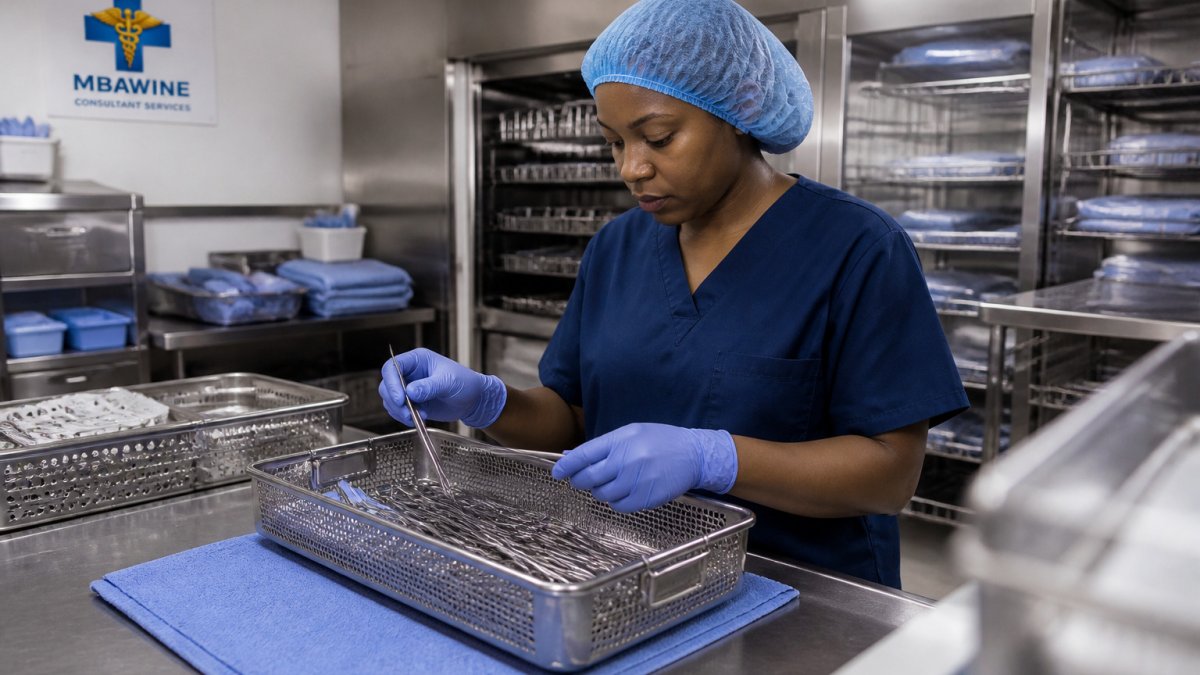
Some technicians pursue certification while already working on the floor, which lets them apply new knowledge immediately. Others complete a training program first. Either path can pay off, but the return is strongest when the credential matches what local employers ask for.
Travel assignments can raise weekly earnings for some technicians. Travel sterile processing technicians typically earn between $1,200 and $1,600 per week, with crisis contracts occasionally exceeding $2,000 per week. Junxion Med Staffing travel sterile processing pay
The trade-offs are real. Travel contracts require flexibility, time away from home, and the ability to adapt to new facility protocols quickly. Weigh the higher weekly rate against housing, benefits, and the length of the assignment before committing.
Base pay is only part of total compensation. Many facilities add shift differentials for evenings, nights, and weekends, and overtime can substantially raise annual earnings for technicians who work it regularly. On-call pay is another component to ask about during an offer review.
When comparing two offers, calculate total compensation including differentials, overtime frequency, and on-call stipends. A slightly lower base salary can outperform a higher one once these pieces are included.
Mapping the career ladder to typical pay ranges helps show how the salary ceiling moves. See the full career path and the roles that come next for a complete view of each rung.
A common progression looks like this:
Technicians who plan their progression deliberately, pairing each step with the certification or supervisory experience employers look for, are generally better positioned to advance.
Ask whether a promotion comes with a formal reclassification and a new pay range before accepting.
For technicians aiming at the supervisory rungs, Mbawine Consultants offers leadership-oriented preparation alongside its certification preparation. Read about advancing into leadership roles like sterile processing director.
Start by identifying which factor would raise your pay most: certification, a move to a higher-paying state, travel work, or a leadership track. When you are ready, you can contact us to book training and certification support. Then compare your current compensation against local market data before negotiating.
If certification is your next step, Mbawine Consultants provides flexible remote preparation for CRCST and CIS. The firm also offers interim management and staffing solutions for facilities.
Frequently Asked Questions
What is the top pay for a sterile processing technician? Top earners in the field can reach well above the national median. Pay at the top depends on certification, experience, location, and specialty roles.
What is the average salary for a sterile processing technician?
Which state pays sterile processing technicians the most?
Does certification increase pay for sterile processing technicians? Certification such as CRCST or CIS can be a factor in base pay, depending on the employer and market.
Pay varies by state and within states, so metro areas with high living costs and large hospital systems often offer higher wages than rural facilities. Compare local posted salaries with state medians before deciding where to work, and factor in cost of living alongside the headline figure.
Sterile processing technicians generally earn more than certified nursing assistants. Experienced, certified technicians can earn considerably more. Certification, facility type and location shape the gap, so compare total compensation rather than base wage alone.
Obtaining certifications such as CRCST or CIS can be a factor in base pay, depending on the employer and market. Certification also strengthens eligibility for lead, supervisor and travel roles that pay more. Employers often reward certified staff with higher pay grades, so treat certification as one of the most direct ways to raise earnings.


